
 English
 Français
 Deutsch
 Nederlands
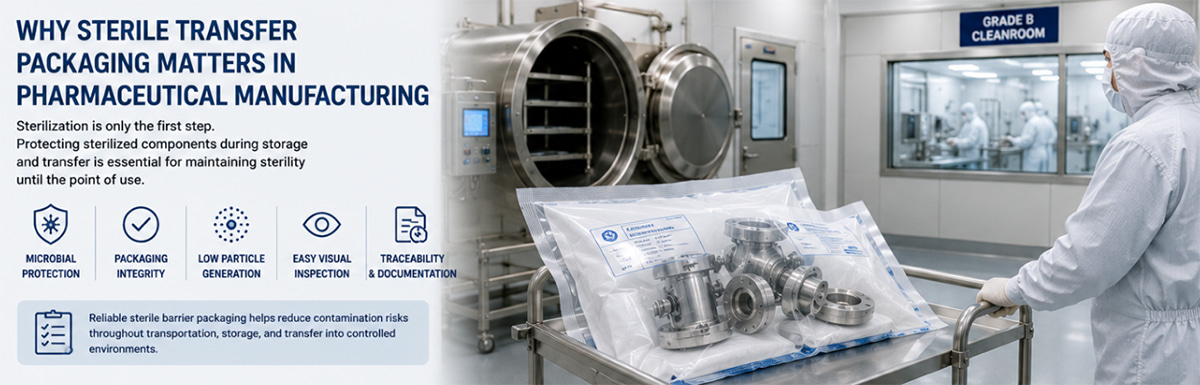
In modern pharmaceutical manufacturing, contamination control is no longer limited to cleanroom design and sterilization processes. Increasingly, manufacturers are paying attention to what happens after sterilization and before the sterile component enters the production environment.
Whether handling machine parts, filling line accessories, change parts, tools, or sterilized components, the packaging used during storage and transfer can directly influence contamination risks.
Under current EU GMP Annex 1 expectations, companies are expected to establish a comprehensive Contamination Control Strategy (CCS) covering the entire lifecycle of sterile products and sterile components. This includes not only sterilization validation, but also protection during transportation, storage, and transfer into classified environments.
Common Challenges After Sterilization
Many pharmaceutical manufacturers sterilize components successfully but still face risks during post-sterilization handling.
Typical concerns include:
* Packaging damage during transportation
* Microbial ingress caused by compromised packaging
* Difficulties maintaining sterility during warehouse storage
* Transfer of sterilized components between different cleanroom grades
* Particle generation from unsuitable packaging materials
* Limited visibility of packaged contents
These issues become increasingly important when handling expensive equipment parts, product-contact components, and items used in aseptic manufacturing processes.
The Role of Breathable Sterile Barrier Packaging
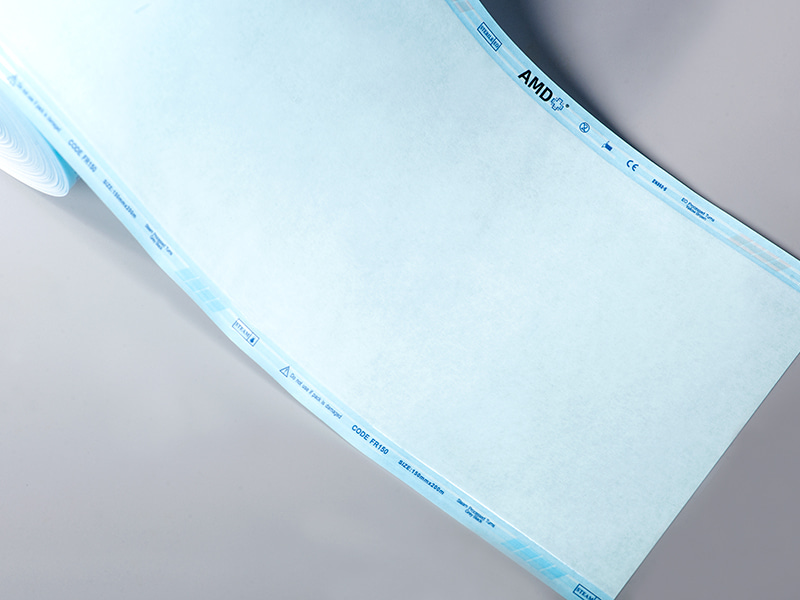
Breathable sterile barrier systems are widely used because they allow sterilizing agents to penetrate during sterilization while maintaining microbial protection afterward.
For pharmaceutical applications, packaging materials must provide:
* Reliable microbial barrier performance
* Compatibility with sterilization processes
* Low particle generation
* Mechanical durability during transport
* Easy visual inspection
* Consistent sealing performance
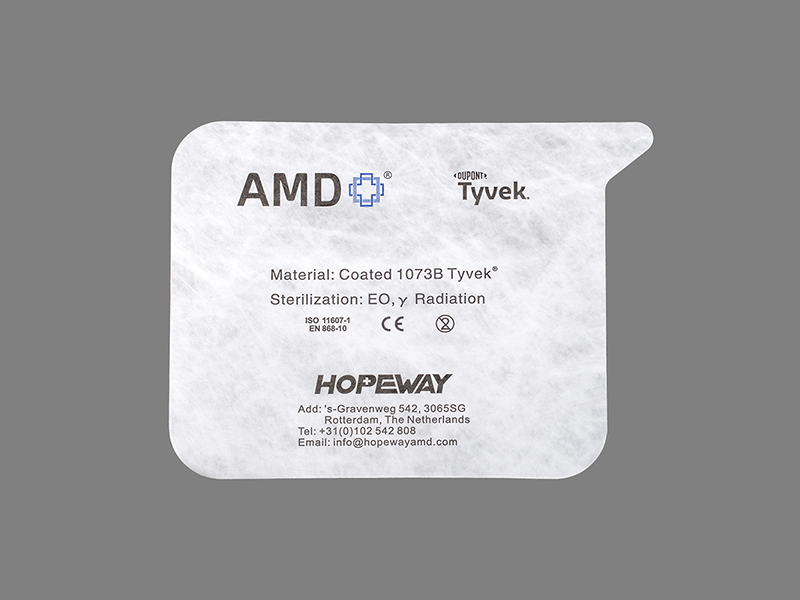
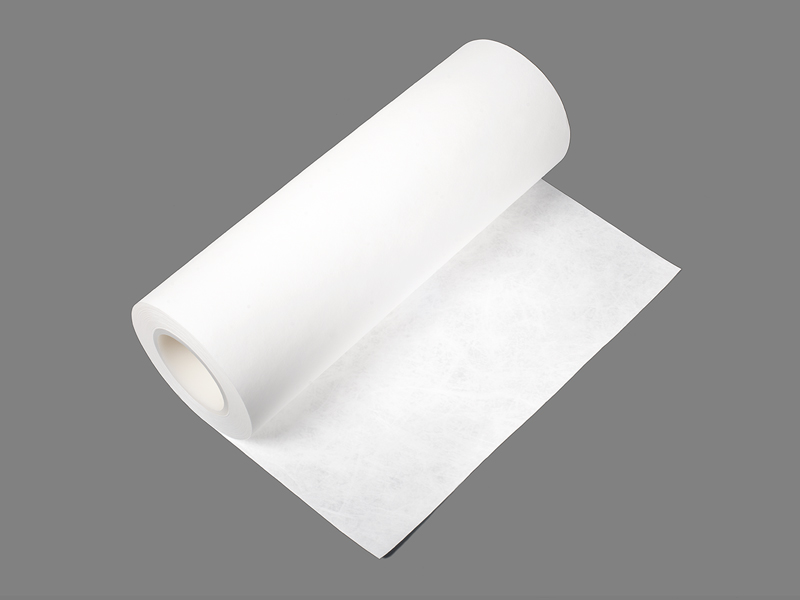
One material frequently selected for these requirements is Tyvek® 1073B.
Why Tyvek® 1073B Is Used in Pharmaceutical Facilities
Tyvek® 1073B combines high microbial barrier performance with excellent tear resistance and durability.
Compared with lighter Tyvek grades, 1073B offers:
* Higher puncture resistance
* Improved tear strength
* Enhanced protection for heavy or irregular components
* Reduced risk of packaging damage during transport
* Excellent compatibility with EO, Gamma and Hydrogen Peroxide sterilization processes
These characteristics make it particularly suitable for pharmaceutical manufacturing environments where packaging integrity is critical throughout storage and transfer operations.
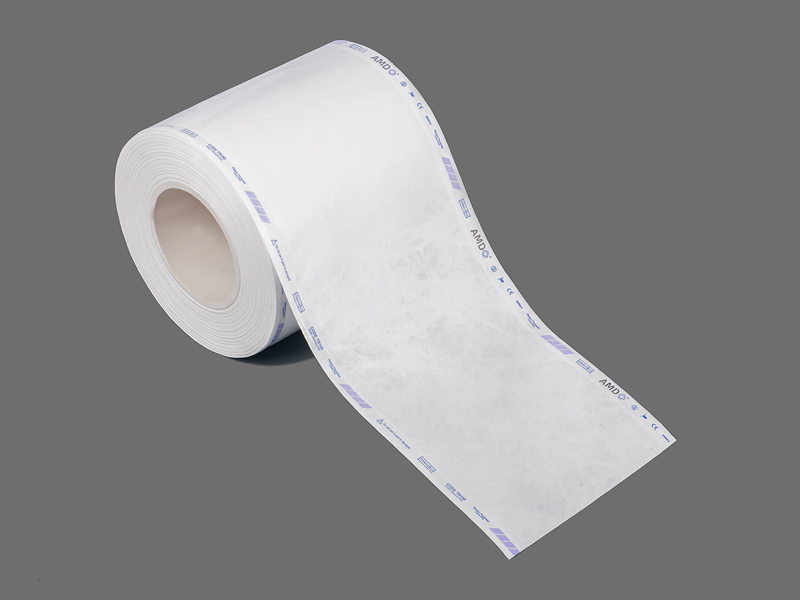
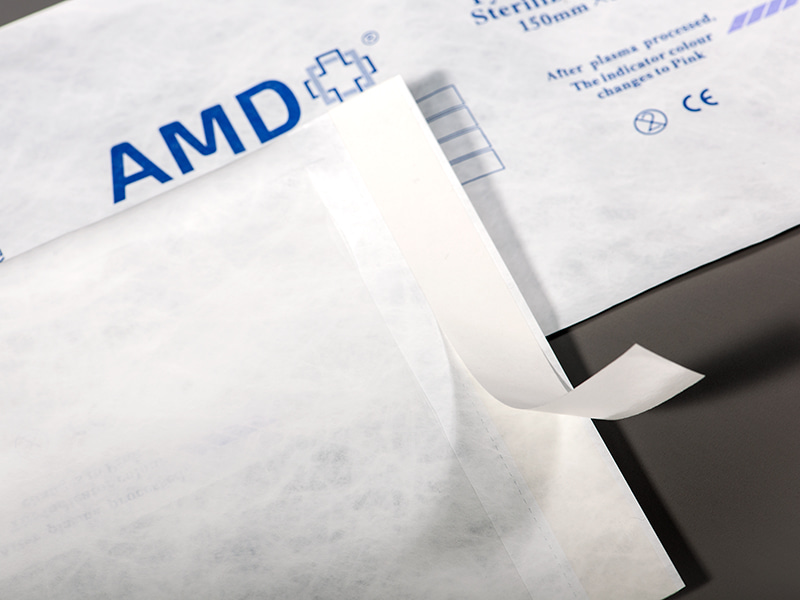
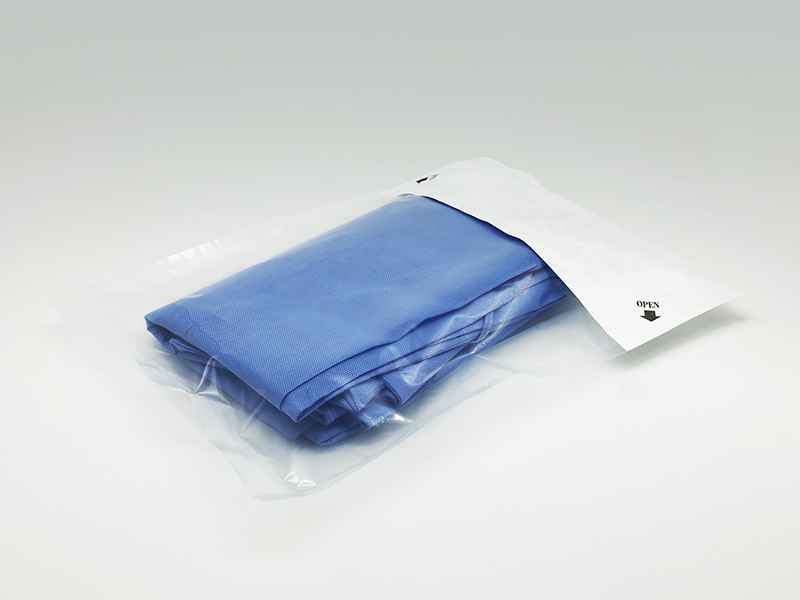
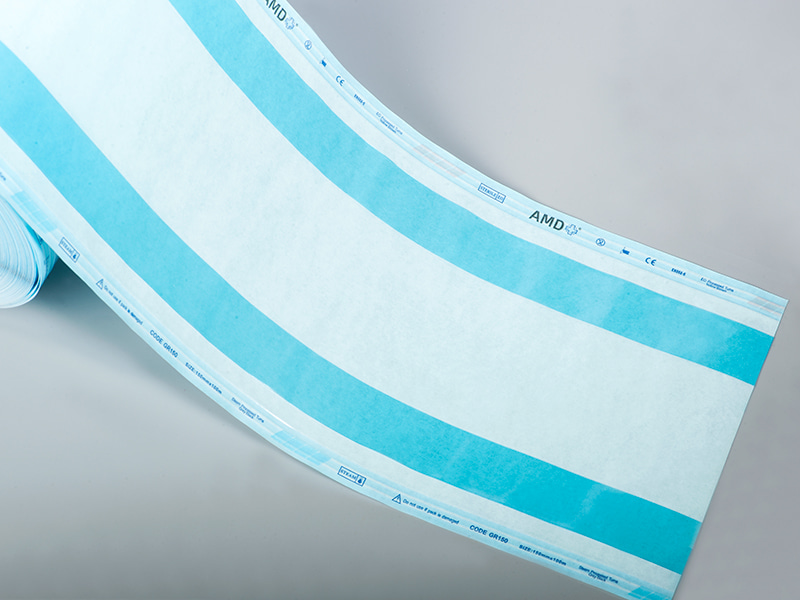
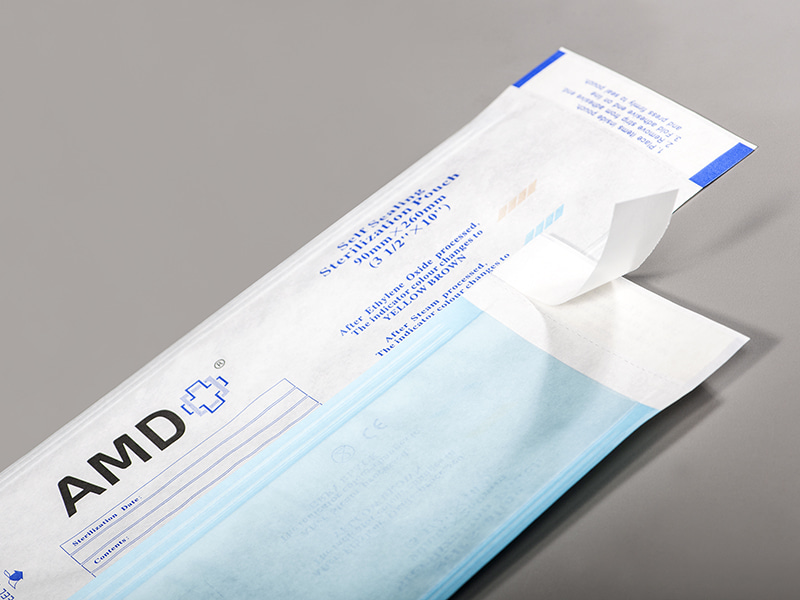
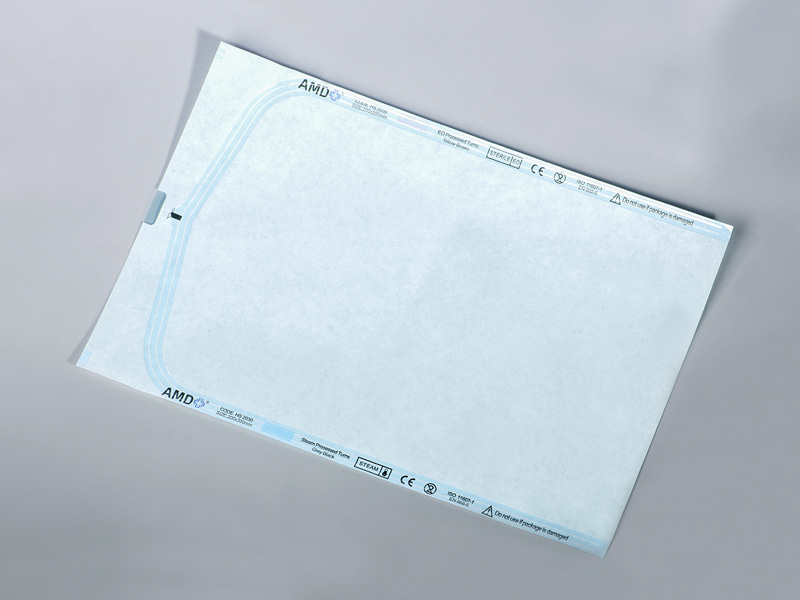
Tyvek® 1073B / HDPE Autoclave Bags for Sterile Transfer Applications
Tyvek® 1073B combined with HDPE film creates a breathable sterile barrier system designed for sterilized component handling and transfer.
Typical applications include:
* Sterilized machine parts
* Filling line components
* Isolator accessories
* Product-contact change parts
* Sterile tools and instruments
* Components transferred into Grade A/B environments
The breathable structure allows sterilization while maintaining protection against microbial contamination during subsequent storage and handling.
For facilities implementing Annex 1 contamination control strategies, this type of packaging can help support a more controlled and documented sterile transfer process.
Supporting Contamination Control Beyond Sterilization
Sterility assurance does not end when the sterilization cycle is completed.
Packaging remains an important part of the contamination control chain until the component is opened and used.
As pharmaceutical manufacturers continue strengthening CCS programs and Annex 1 compliance efforts, selecting appropriate sterile transfer packaging becomes an increasingly important consideration.
Tyvek® 1073B / HDPE breathable pouches provide an effective solution for protecting sterilized components throughout transportation, storage, and transfer into critical manufacturing environments.
 ‘s-Gravenweg 542, 3065SG RotterdamThe Netherlands
 +31 (0)10 254 28 08