
 English
 Français
 Deutsch
 Nederlands
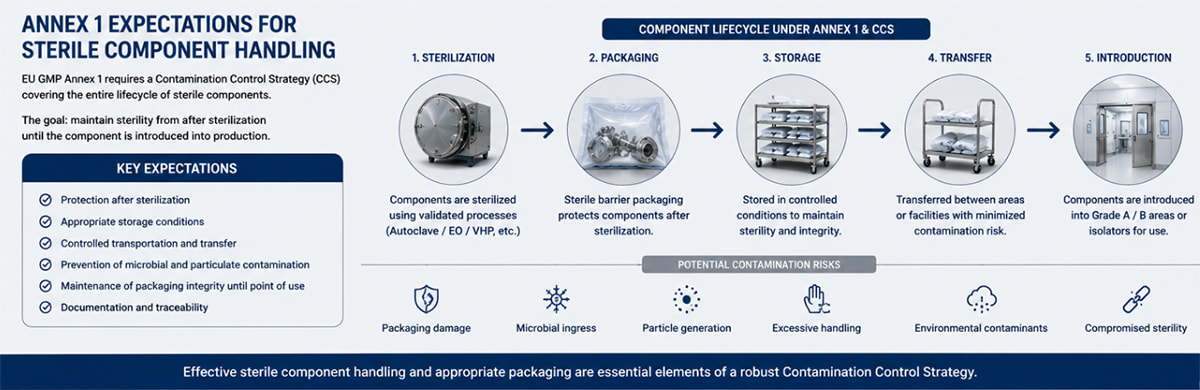
The release of EU GMP Annex 1 has encouraged pharmaceutical manufacturers to review every step that may impact contamination control within sterile manufacturing environments.
While significant attention is often placed on cleanroom classification, sterilization processes, and environmental monitoring, the handling of sterilized components after sterilization is equally important.
Machine parts, change parts, filling line accessories, product contact components, and maintenance tools must remain protected throughout storage, transportation, and transfer into production areas. Any damage to packaging or uncontrolled handling process may compromise the effectiveness of the sterilization process and increase contamination risks.
As a result, pharmaceutical manufacturers are increasingly evaluating how sterilized components are packaged, stored, and transferred before use.
What Does Annex 1 Expect?
Annex 1 emphasizes that contamination control should be considered throughout the entire product lifecycle.
The guideline requires manufacturers to establish a comprehensive Contamination Control Strategy (CCS) and evaluate all potential sources of contamination.
For sterilized components, this includes:
Protection after sterilization
Storage conditions
Transportation between facilities or departments
Transfer into cleanroom environments
Prevention of microbial and particulate contamination
Maintenance of packaging integrity until point of use
The objective is not only to achieve sterility, but also to maintain sterility until the component is used in production.
Common Challenges in Sterile Component Transfer
In practice, pharmaceutical manufacturers often encounter several challenges during component handling.
Sterilized components may be moved between warehouses, preparation areas, and cleanrooms. During these activities, packaging can be exposed to:
Mechanical damage
Punctures and tears
Excessive handling
Environmental contaminants
Particulate generation
For larger or irregularly shaped components, maintaining packaging integrity can be particularly challenging.
Manufacturers therefore seek packaging systems that provide both microbial barrier performance and sufficient mechanical strength throughout the transfer process.
The Role of Sterile Barrier Packaging
Sterile barrier packaging acts as the first line of protection between the sterilized component and the external environment.
An effective sterile barrier system should provide:
Reliable microbial barrier performance
Compatibility with sterilization methods
Low particle generation
Mechanical durability
Ease of visual inspection
Consistent sealing performance
These characteristics support contamination control objectives and help reduce the risk of packaging-related deviations.
Why Tyvek® 1073B Is Often Selected
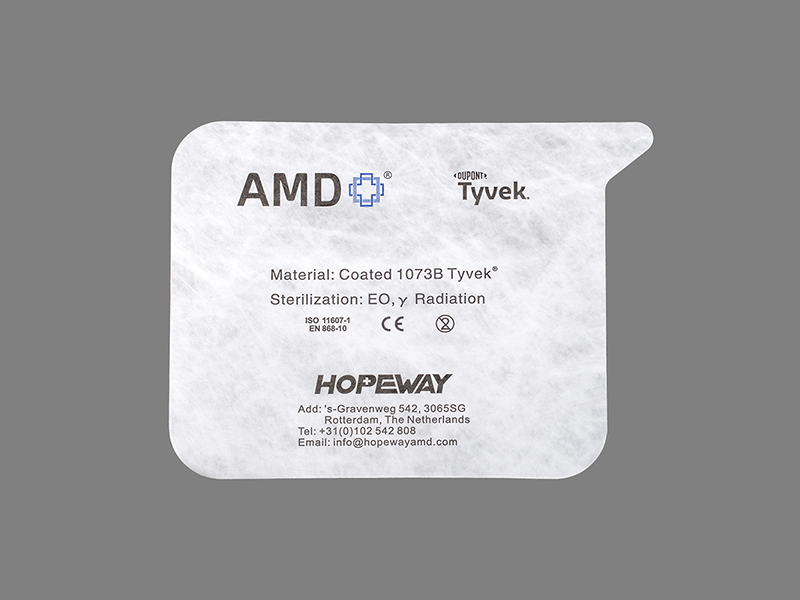
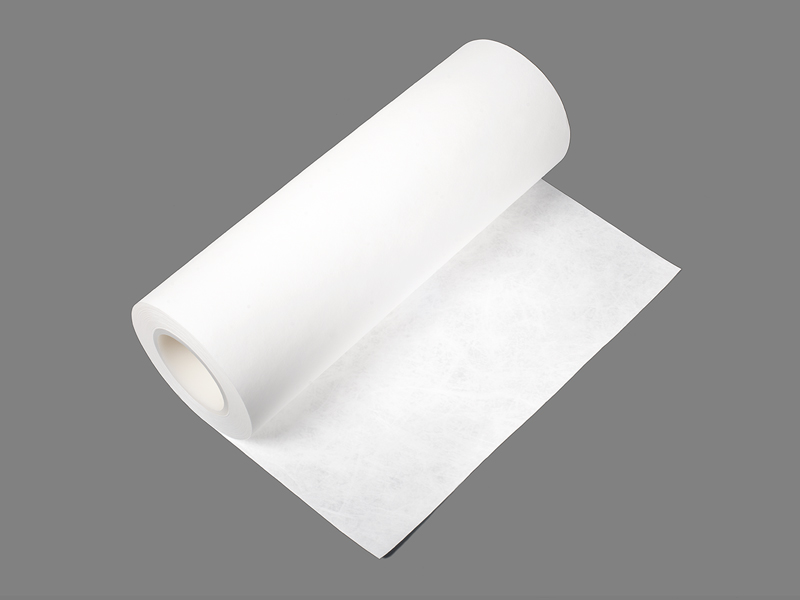
For demanding pharmaceutical applications, Tyvek® 1073B is widely used due to its combination of microbial barrier properties and mechanical strength.
Compared with lighter Tyvek® grades, Tyvek® 1073B offers:
Higher puncture resistance
Greater tear strength
Improved durability during transportation
Reduced risk of packaging damage
These advantages make it suitable for packaging sterilized machine parts, product-contact components, isolator accessories, and other critical items used in sterile manufacturing.
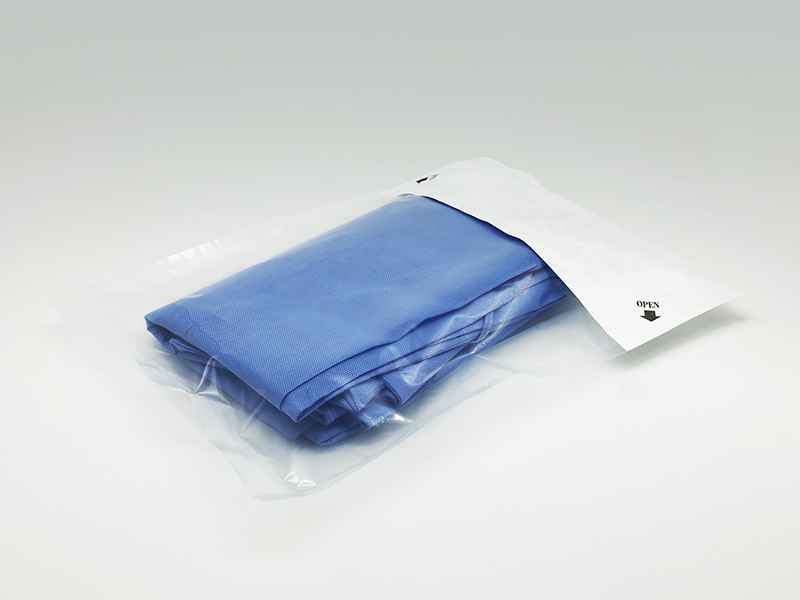
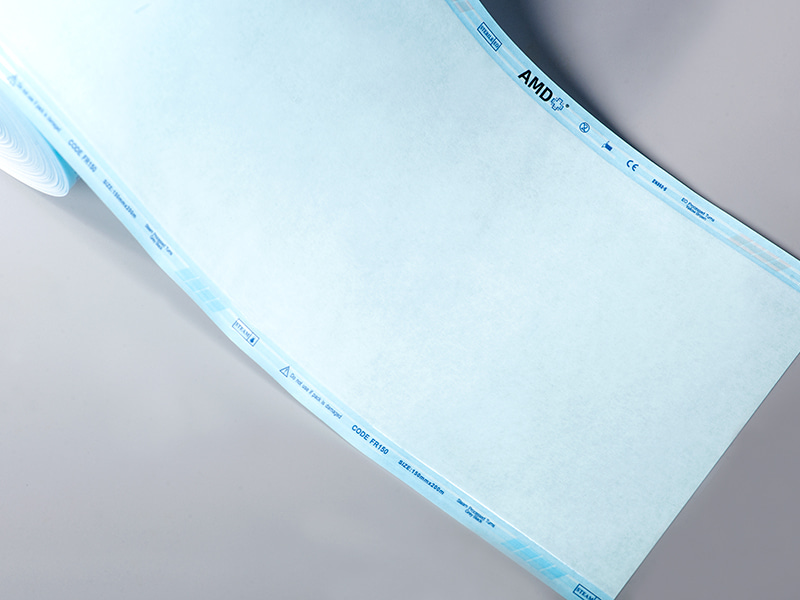
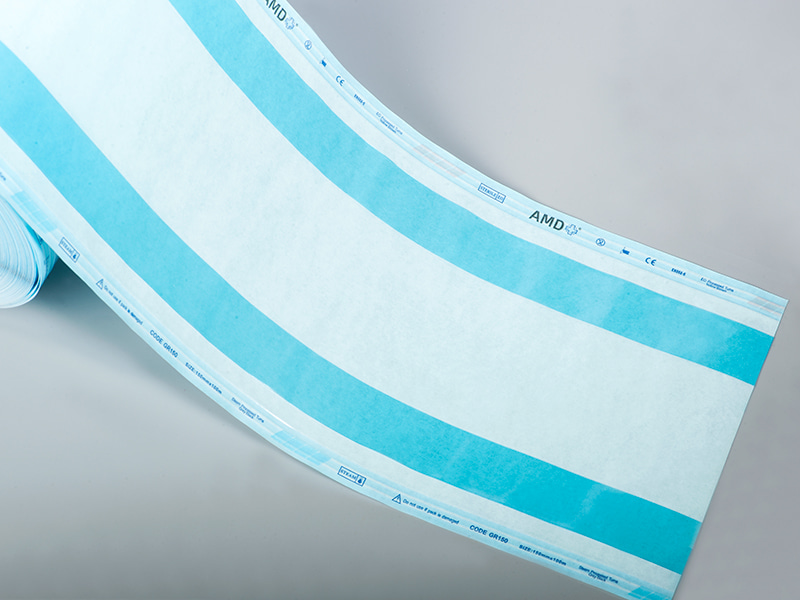
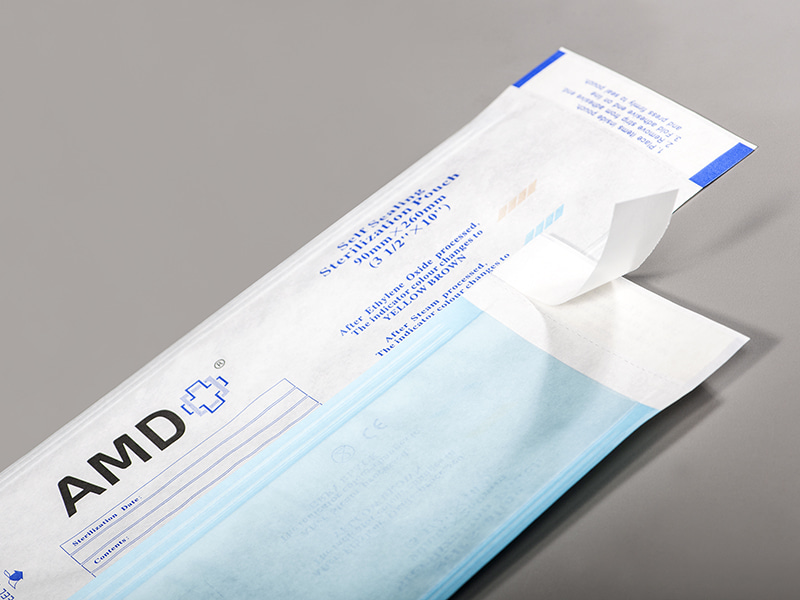
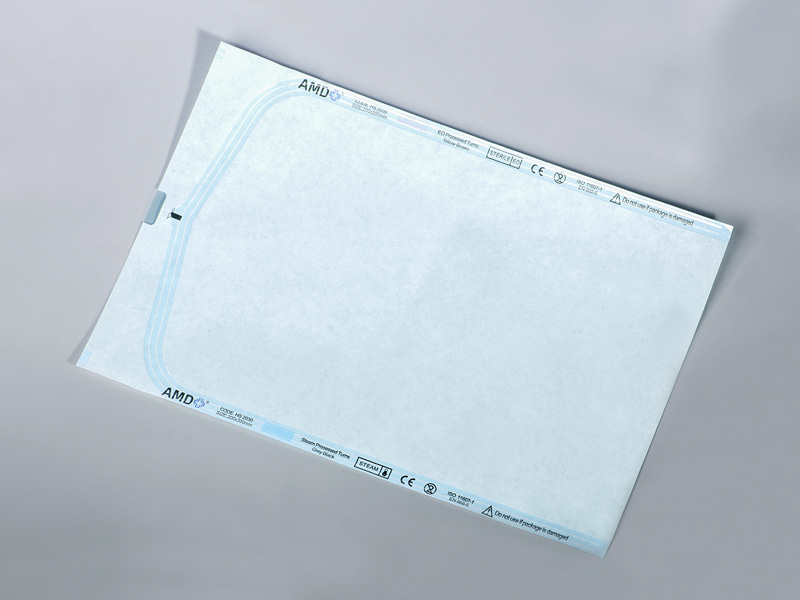
Tyvek® 1073B / HDPE Autoclave bag for Sterile Transfer Applications
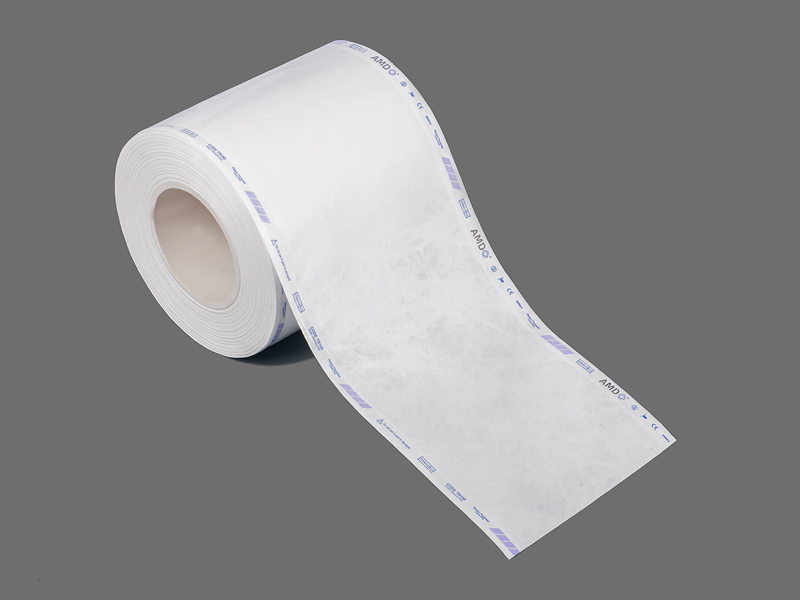
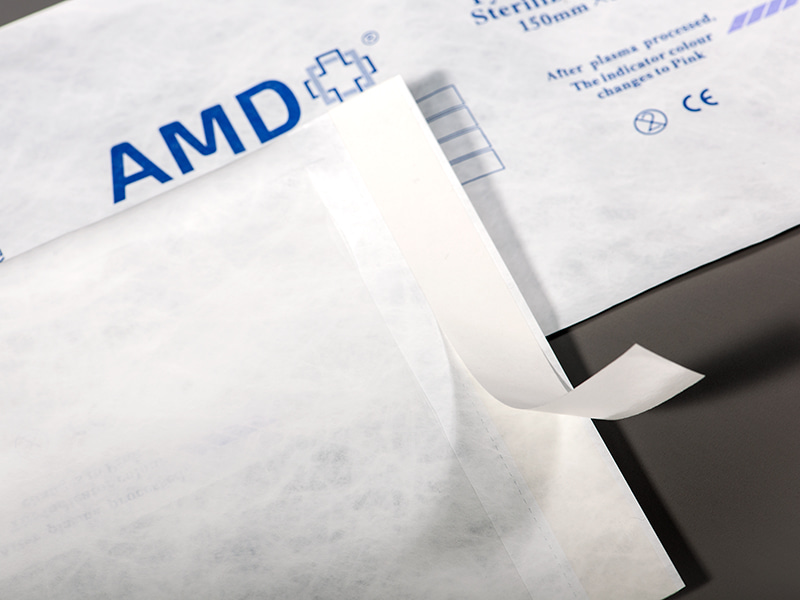
Tyvek® 1073B combined with HDPE film forms a breathable sterile barrier system that supports both sterilization and subsequent sterile handling.
Typical applications include:
Sterilized machine parts
Filling line change parts
Product-contact components
Isolator accessories
Sterile tools
Components transferred into Grade A and Grade B environments
The breathable structure allows sterilizing agents to penetrate during sterilization while maintaining protection during storage and transportation.
For pharmaceutical manufacturers implementing Annex 1 and CCS programs, this type of packaging can support a more controlled and documented transfer process.
Supporting Contamination Control Beyond Sterilization
Sterility assurance does not end when the sterilization cycle is completed.
Packaging remains a critical part of contamination control until the moment the component is opened and introduced into the manufacturing process.
As Annex 1 implementation continues across the pharmaceutical industry, manufacturers are increasingly recognizing the importance of selecting packaging systems that protect sterilized components throughout storage, transportation, and transfer.
Tyvek® 1073B / HDPE autoclave bags a practical solution for maintaining packaging integrity and supporting contamination control objectives throughout the sterile component lifecycle.
 ‘s-Gravenweg 542, 3065SG RotterdamThe Netherlands
 +31 (0)10 254 28 08