
 English
 Français
 Deutsch
 Nederlands

Introduction
Isolator technology has become the preferred contamination control solution for many modern sterile manufacturing facilities.
From biologics production to injectable pharmaceuticals, isolators provide a highly controlled environment that reduces operator intervention and minimizes contamination risks.
However, maintaining sterility inside an isolator depends heavily on how materials enter the system.
This is where sterile transfer packaging becomes critical.
Why Isolators Are Becoming More Common
Modern pharmaceutical facilities face increasing pressure to:
● Reduce contamination risks
● Improve product quality
● Meet Annex 1 requirements
Isolators help achieve these objectives by separating operators from critical processing environments.
As a result, many new facilities are moving away from traditional open cleanroom concepts.
The Challenge of Material Transfer
Even the most advanced isolator must receive:
* Rubber stoppers
* Aluminum seals
* Filling accessories
* Product-contact components
* Sampling equipment
Each transfer event introduces risk.
The challenge is maintaining sterility throughout the process.
Packaging and Isolator Integration
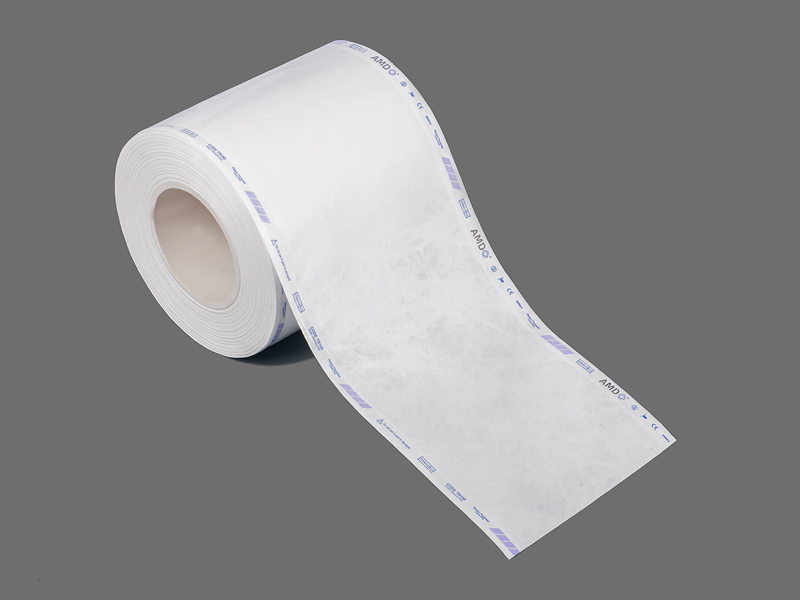
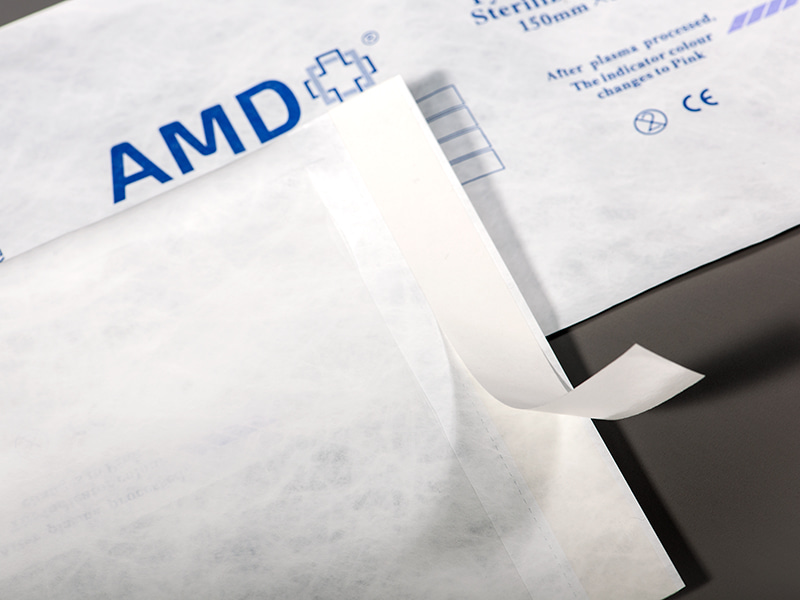
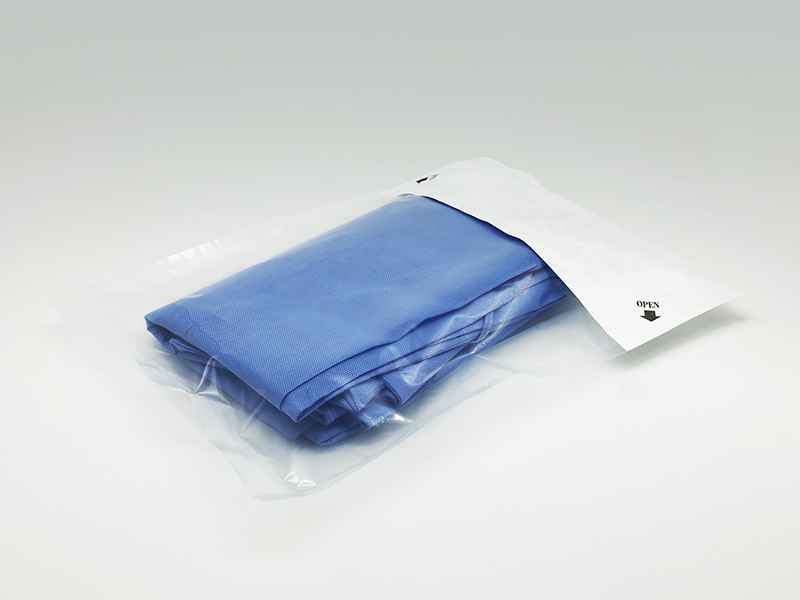
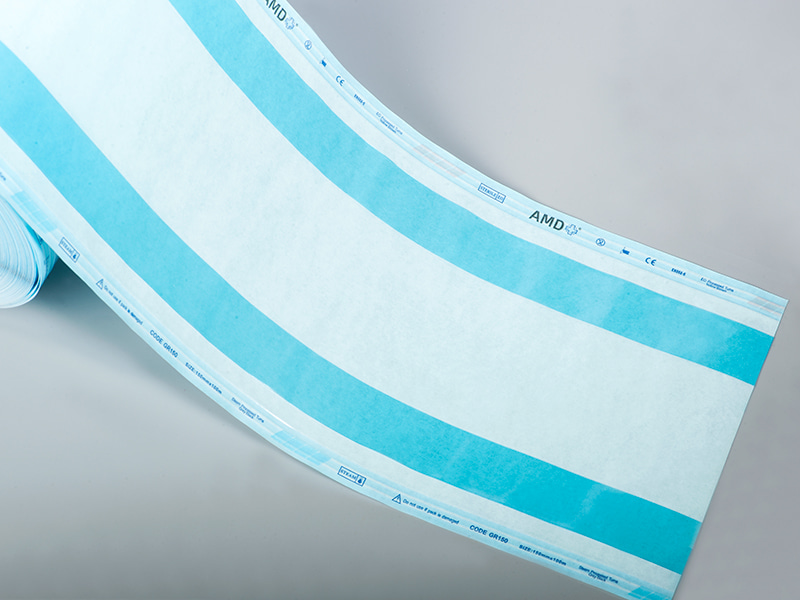
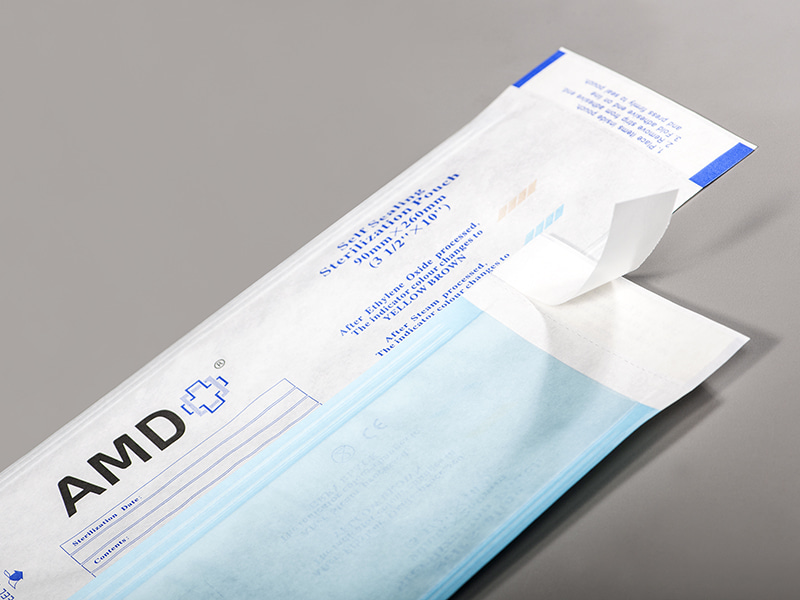
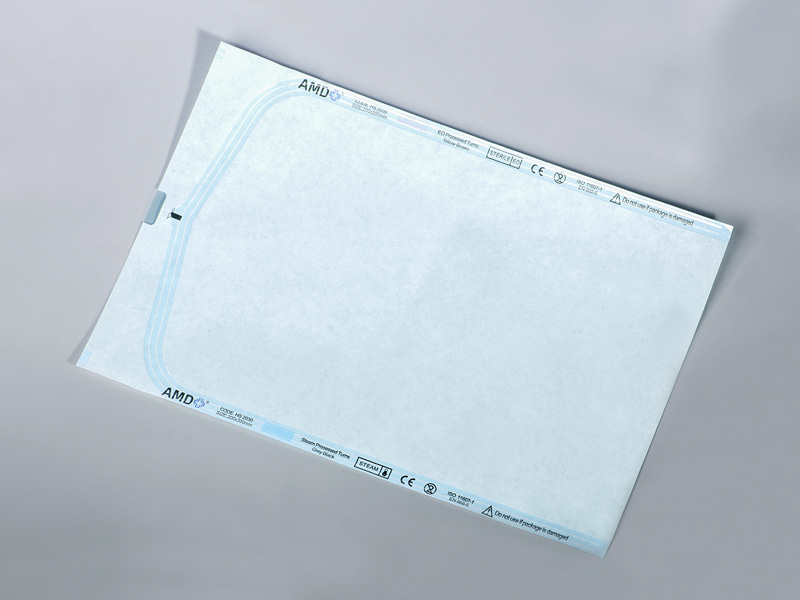
Transfer packaging acts as a bridge between sterilization and production.
It should:
* Protect components during transport
* Support decontamination procedures
* Remain easy to handle
* Minimize particulate generation
Compatibility with VHP Processes
Many isolators use Vaporized Hydrogen Peroxide (VHP).
Packaging materials should be compatible with:
* VHP exposure
* Aeration cycles
* Repeated handling
Material selection therefore becomes an important engineering consideration.
Packaging Selection Criteria
Manufacturers often evaluate:
-Barrier Performance: Can the packaging maintain sterility?
-Material Cleanliness: Does it generate particles?
-Handling Characteristics: Can operators safely transfer materials?
-Traceability: Can packaging support GMP documentation?
Future Trends
As Annex 1 drives increased adoption of isolator technology, demand for specialized transfer packaging is expected to grow.
Manufacturers are increasingly viewing packaging as part of the overall contamination control strategy.
Conclusion
Successful isolator operations depend not only on equipment performance but also on the systems surrounding it.
Sterile transfer packaging plays an important role in ensuring that sterilized components enter controlled environments safely and consistently.

 ‘s-Gravenweg 542, 3065SG RotterdamThe Netherlands
 +31 (0)10 254 28 08