
 English
 Français
 Deutsch
 Nederlands
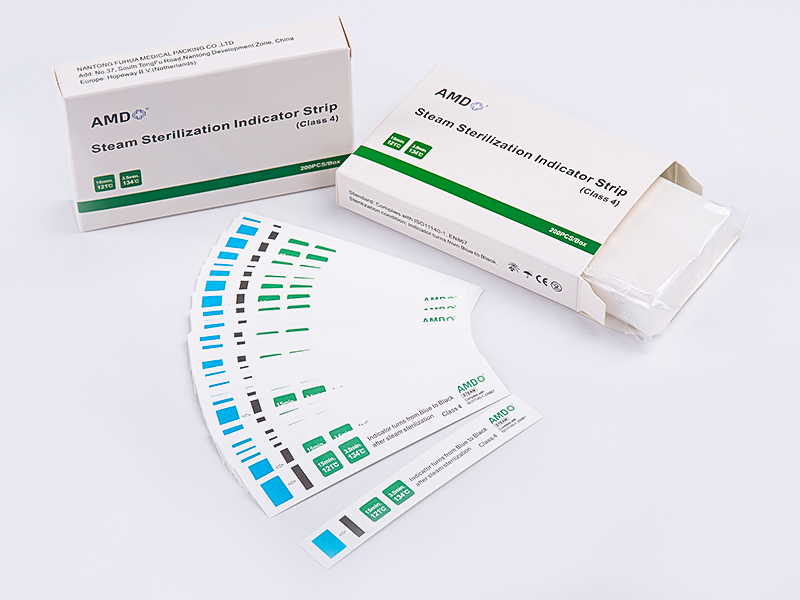
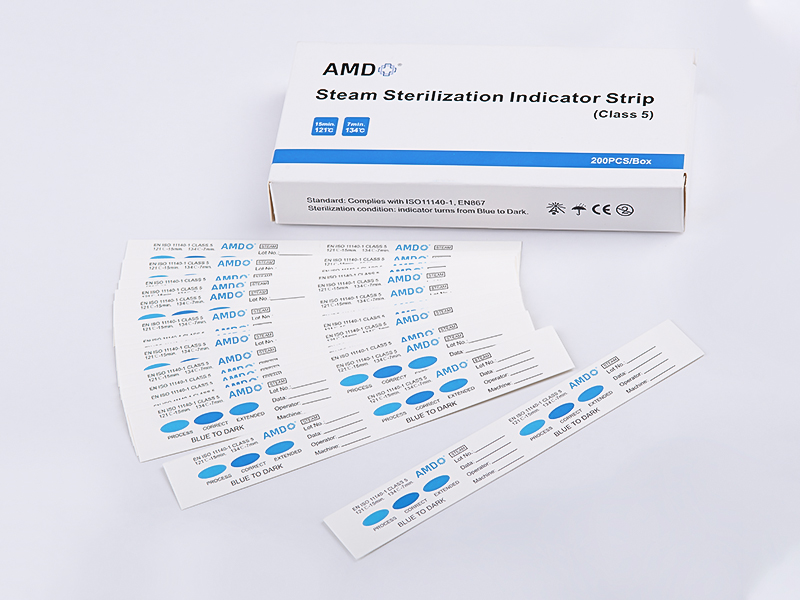
Steam sterilization workflows rely on clear visual signals to show which packages have gone through the process. Indicator tape applied to the outside of packs provides one such signal by changing color when exposed to the intended conditions. The shift in appearance comes from a chemical response inside the tape rather than from any mechanical change. Understanding what triggers that response, what the new color actually means, and what can interfere with it helps keep the visual check useful within the larger sterilization monitoring system. Autoclave Sterilization Indicator Tape reacts to heat and steam through specially formulated indicator compounds, and the reliability of the color shift depends on correct selection, storage, and use.

Content
- 1 The Chemical Process That Produces the Visible Color Shift
- 2 How Heat and Steam Together Drive the Indicator Response
- 3 What the Altered Color Indicates in Daily Workflow
- 4 Situations That Can Produce an Unreliable or Unexpected Color Result
- 5 Practices That Support a Dependable Visual Indication
- 6 The Role of Color Change Within Broader Sterilization Monitoring
The Chemical Process That Produces the Visible Color Shift
The tape carries indicator inks or chemical compounds designed to respond when certain sterilization conditions are met. Heat combined with steam initiates a reaction that alters the molecular structure of those compounds, producing a color that differs from the original. The starting color and the final color are set by the specific formulation used in the product. Once the reaction has taken place, the new color remains visible and serves as a permanent external mark that the package experienced the process conditions the tape was made to detect.
How Heat and Steam Together Drive the Indicator Response
Temperature supplies the energy needed to start the chemical change. Without sufficient heat the indicator compounds stay in their original state. Steam contributes the moisture that many of these formulations require for the reaction to proceed as intended. Because the tape is made for defined sterilization conditions, it needs to be used within those limits. A color change that appears under the correct combination of heat and steam shows exposure to the process. It does not by itself prove that every part of the load reached sterilizing conditions or that the contents are sterile.
What the Altered Color Indicates in Daily Workflow
After the cycle, packages that display the expected new color can be distinguished at a glance from those that still show the original color. This visual separation supports routine sorting, storage, and release decisions on the processing floor. Staff can quickly identify which items have passed through the sterilizer and which have not. At the same time the tape remains an external process indicator only. It does not measure conditions inside the package, nor does it replace biological indicators or other internal monitors required by the sterilization protocol.
Situations That Can Produce an Unreliable or Unexpected Color Result
When exposure falls short of the conditions the tape needs, the color transition may be incomplete or absent. Applying the tape incorrectly or using it for a cycle outside its intended range can also interfere with the expected response. Storage conditions matter as well. Excessive heat, moisture, light, or other unsuitable environments before use may alter the indicator compounds so that they no longer react properly. In every case of unexpected color behavior, the product instructions should be reviewed and the cause investigated rather than relying on appearance alone.
Practices That Support a Dependable Visual Indication
Selecting tape designed for the specific steam sterilization cycle in use is an essential step. Following the manufacturer's directions for how the tape is applied, how it is exposed, and how the color is interpreted keeps the result meaningful. Storage should match the recommended conditions, and the shelf life of the product should be observed. After the cycle the color is checked against the acceptance criteria given for that tape. Additional monitoring tools, such as chemical indicators placed inside packages and biological indicators when the protocol requires them, provide information the external tape cannot supply.
| Factor Affecting Color Change | Influence on Indicator Performance | Practical Point to Watch |
|---|---|---|
| Heat and steam exposure | Triggers the chemical reaction that produces new color | Cycle must match the tape's intended conditions |
| Indicator formulation | Sets original color and final color after exposure | Different products show different color pairs |
| Application and placement | Affects whether the tape experiences full conditions | Tape must be applied as directed |
| Storage environment | Can alter indicator compounds before use | Avoid excess heat, moisture, or light |
| Interpretation after the cycle | Determines whether the result is accepted or questioned | Compare against the product's stated color change |
The Role of Color Change Within Broader Sterilization Monitoring
The tape changes color because its chemical indicators respond to the heat and steam of a defined sterilization cycle. That visible shift helps separate processed packages from unprocessed ones and supports everyday workflow. Reliable results still depend on choosing the right product for the cycle, storing it correctly, applying it properly, and reading the color according to the stated criteria. Color change remains a useful external signal. It does not stand as proof that the contents of the package are sterile. Combining the tape with the other monitoring methods required by the protocol gives a more complete picture of the sterilization process.
Hopeway AMD B.V. develops practical sterilization monitoring products and remains available for further product inquiries.








 ‘s-Gravenweg 542, 3065SG RotterdamThe Netherlands
 +31 (0)10 254 28 08