
 English
 Français
 Deutsch
 Nederlands
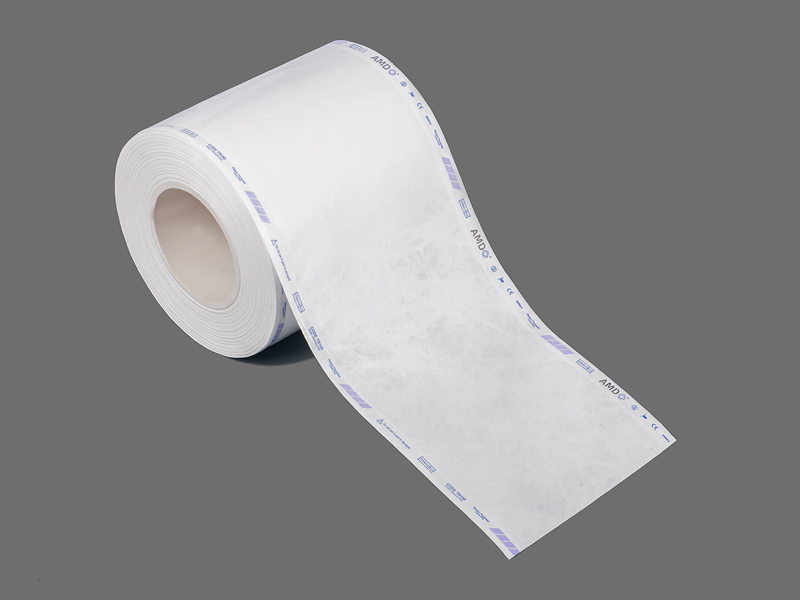
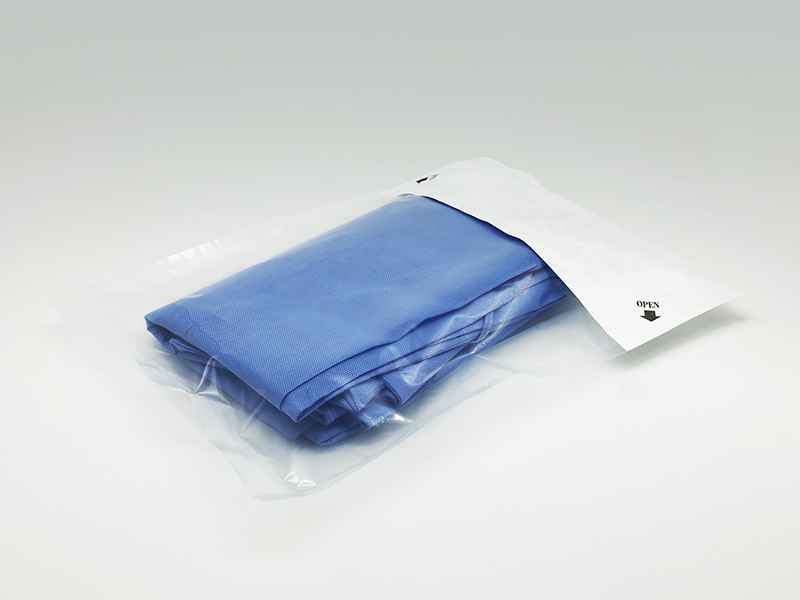
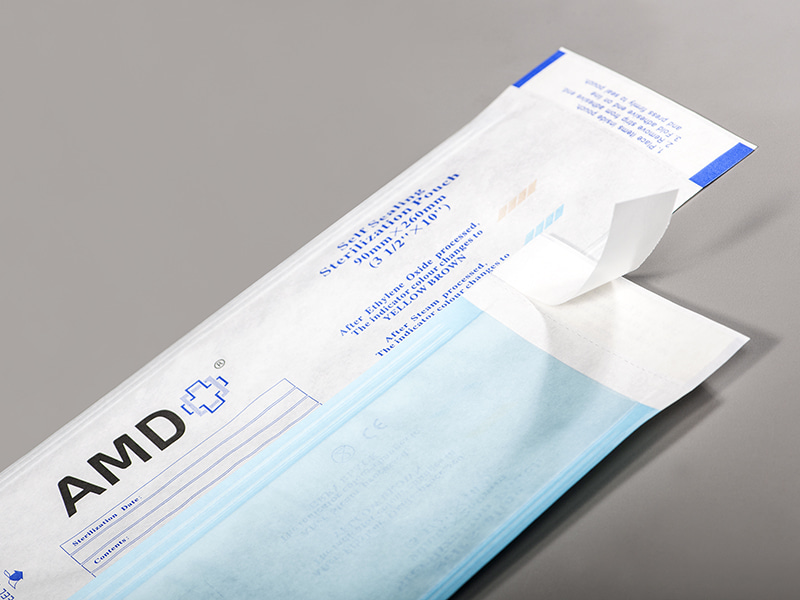
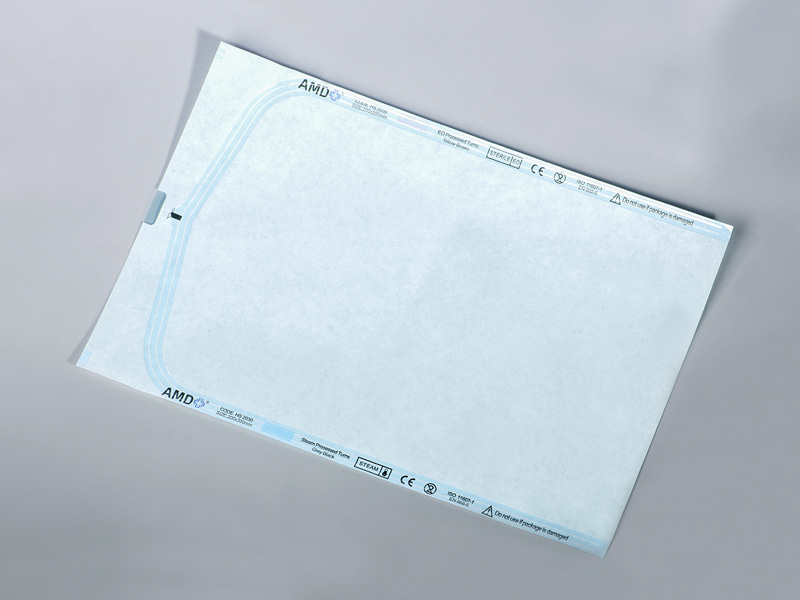
Medical device packaging must protect the product and still allow the sterilization process to reach every surface that needs treatment. The choice of pouch material therefore has to match the sterilization method that will be used.
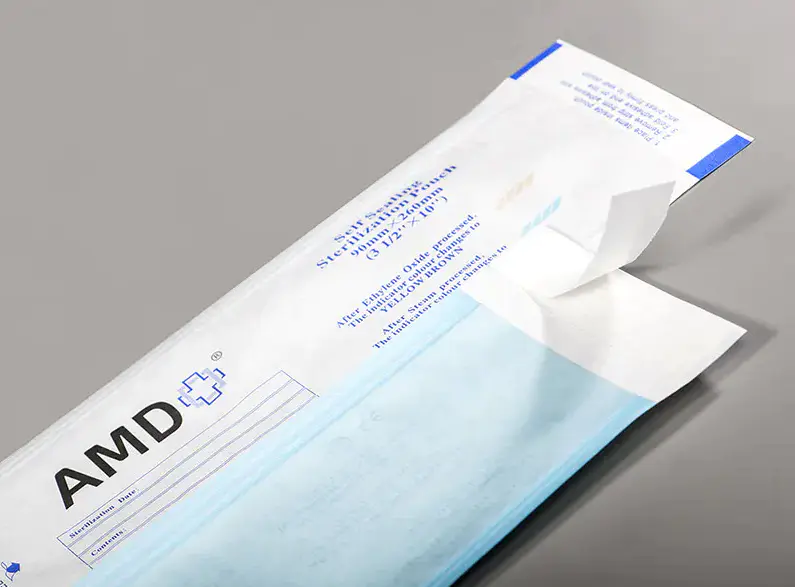
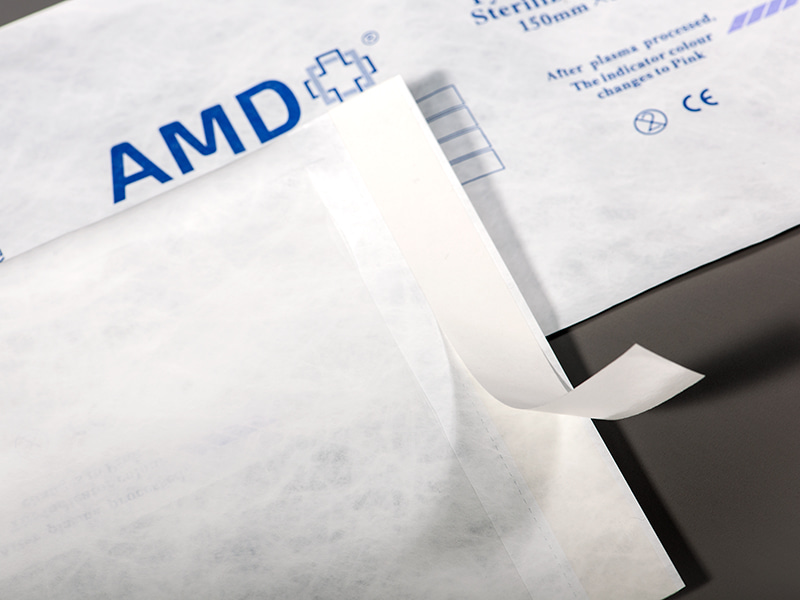
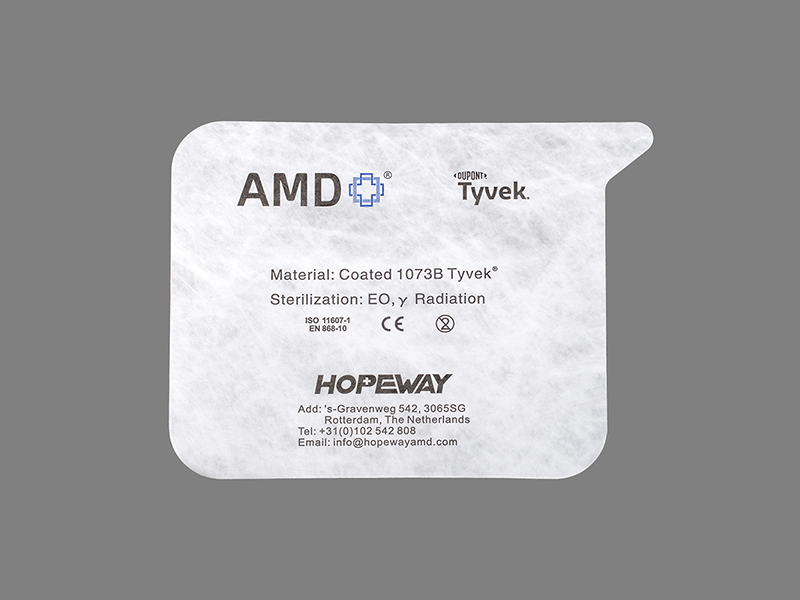
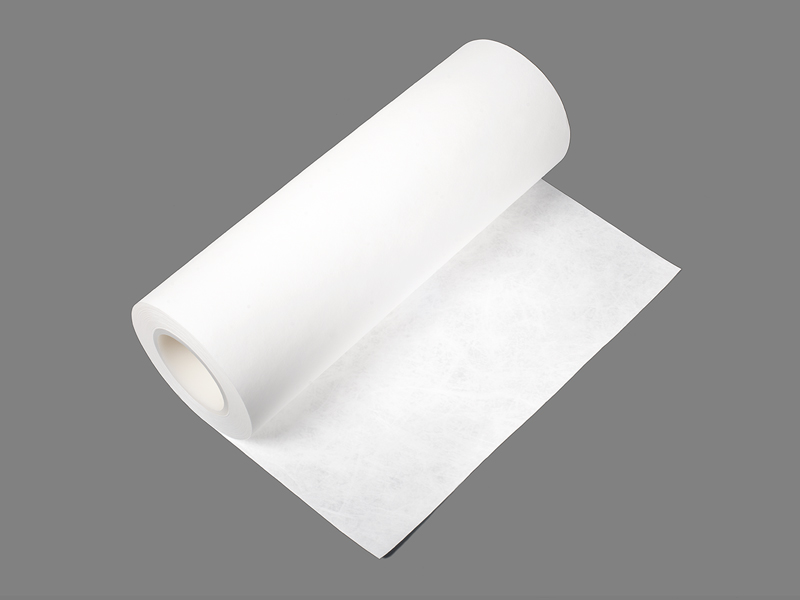
Heat, moisture, gas, or radiation can each affect packaging in different ways. A material that works well with one process may not perform the same way under another. Tyvek Medical Pouches are widely used in this field because of their porous structure and strength, yet suitability still depends on the full construction of the pouch and the exact conditions of the sterilization cycle.
Content
- 1 Behavior of These Pouches Under Steam Sterilization Conditions
- 2 Use of These Pouches with Ethylene Oxide Gas Sterilization
- 3 Response of These Pouches to Radiation Sterilization Methods
- 4 Key Elements That Decide Whether a Pouch Matches a Sterilization Method
- 5 Steps That Support Selection of a Suitable Pouch for the Intended Process
- 6 Confirming Suitability Across Different Sterilization Approaches
Behavior of These Pouches Under Steam Sterilization Conditions
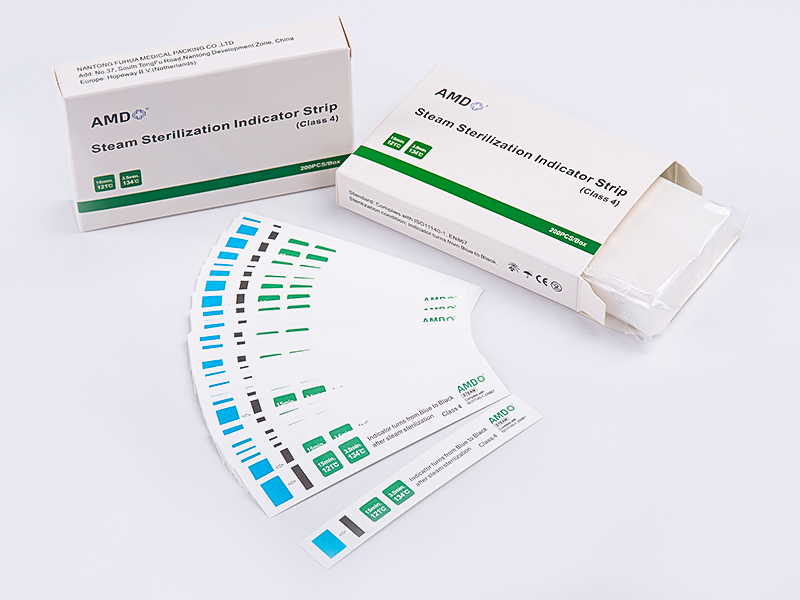
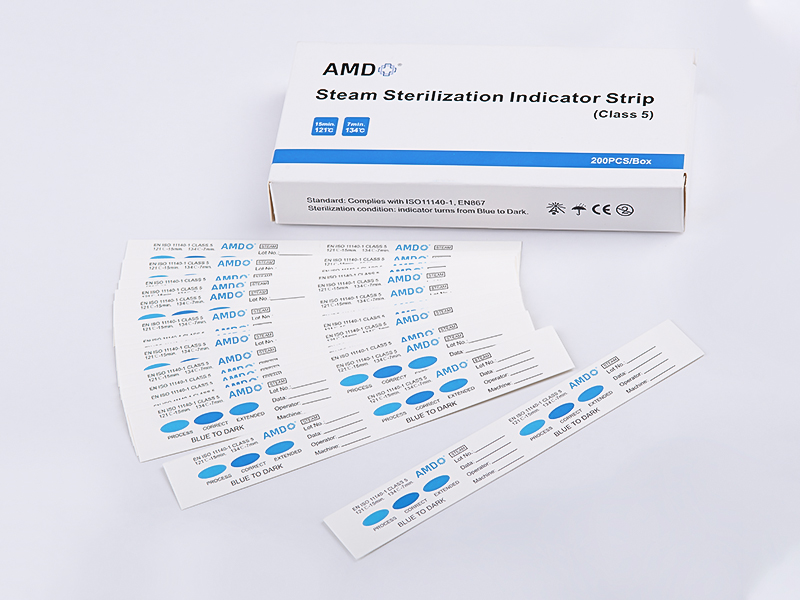
Steam sterilization relies on high-temperature saturated steam to eliminate microorganisms. The combination of heat and moisture places clear demands on the packaging.
Some materials soften, distort, or lose seal strength when exposed to prolonged steam. Others maintain their form and barrier properties. Because not every pouch construction responds the same way, the specific structure must be checked against the intended steam cycle.
Verification confirms that the seals stay intact and that the material continues to protect the device after the process is complete.
Use of These Pouches with Ethylene Oxide Gas Sterilization
Ethylene oxide sterilization is often chosen for devices that cannot tolerate high heat. The process depends on the sterilizing gas reaching the surface of the device and then being removed during aeration.
Porous packaging materials play a direct role by allowing the gas to enter and later escape. At the same time the package must keep its integrity so that sterility is maintained after aeration.
Validation therefore includes checks for adequate gas penetration, sufficient aeration time, and continued package integrity once the cycle is finished.
Response of These Pouches to Radiation Sterilization Methods
Radiation sterilization, whether by gamma rays or electron beam, delivers a dose of energy that can alter the properties of some packaging materials. Changes in color, brittleness, or seal performance sometimes appear after exposure.
Compatibility therefore needs to be assessed under the actual radiation conditions that will be used. Evaluating the complete packaging system, rather than a single component, gives a clearer picture of how the pouch will behave after the process.
Key Elements That Decide Whether a Pouch Matches a Sterilization Method
Several elements work together to determine compatibility. The structure of the material itself—the porous sheet, the transparent film, the adhesive, and any other components—sets the baseline response to heat, moisture, gas, or radiation.
The conditions of the sterilization cycle, including temperature, moisture level, gas concentration, radiation exposure, and duration, further influence the outcome. The medical device itself also matters. Its materials, shape, and sensitivity to the process affect how the packaging must perform.
Finally, the seals and barrier properties must remain acceptable after sterilization so that the sterile barrier is not compromised.
| Compatibility Factor | Influence on Packaging Performance | What Requires Attention |
|---|---|---|
| Material Structure | Determines response to heat, moisture, gas, or radiation | Porous sheet, film, adhesives, and overall construction |
| Sterilization Cycle Conditions | Sets the level of stress placed on the package | Temperature, moisture, gas, radiation, and duration |
| Device Characteristics | Affects how packaging must protect and allow treatment | Device materials, shape, and process sensitivity |
| Seal and Barrier Integrity | Ensures sterility is maintained after processing | Seal strength and barrier properties after exposure |
| Full System Validation | Confirms real-world performance | Testing under the intended sterilization conditions |
Steps That Support Selection of a Suitable Pouch for the Intended Process
The sterilization method planned for the device is the starting point. Manufacturer information and instructions for use help identify which sterilization processes the pouch is designed to withstand.
Confirmation that the pouch has been evaluated for the specific sterilization method adds further assurance. Appropriate testing then verifies seal strength, package integrity, and sterile barrier performance under the actual conditions that will be used.
A pouch that performs well with one sterilization method should not be assumed suitable for another without fresh evaluation.
Confirming Suitability Across Different Sterilization Approaches
Pouches of this type can be compatible with certain sterilization methods, yet that compatibility is never automatic. It depends on the complete packaging construction, the characteristics of the medical device, and the validated conditions of the sterilization cycle.
Matching the pouch to the process requires attention to manufacturer guidance, thorough testing, and formal validation. These steps help maintain the safety and integrity of the medical packaging from the moment the device is sealed until it is ready for use.
Hopeway AMD B.V. develops practical medical packaging solutions and remains available for further product inquiries.
 ‘s-Gravenweg 542, 3065SG RotterdamThe Netherlands
 +31 (0)10 254 28 08