
 English
 Français
 Deutsch
 Nederlands
Medical facilities handle many types of instruments every day. Some are used individually, while others are prepared as part of a larger set. Before these instruments can return to use, they may pass through cleaning, preparation, sterilization, storage, and handling.Packaging connects several of these steps.
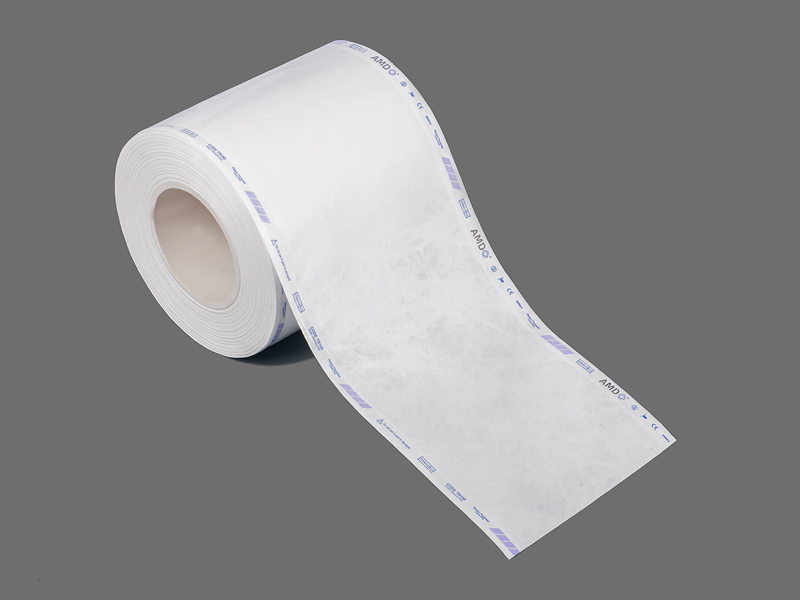
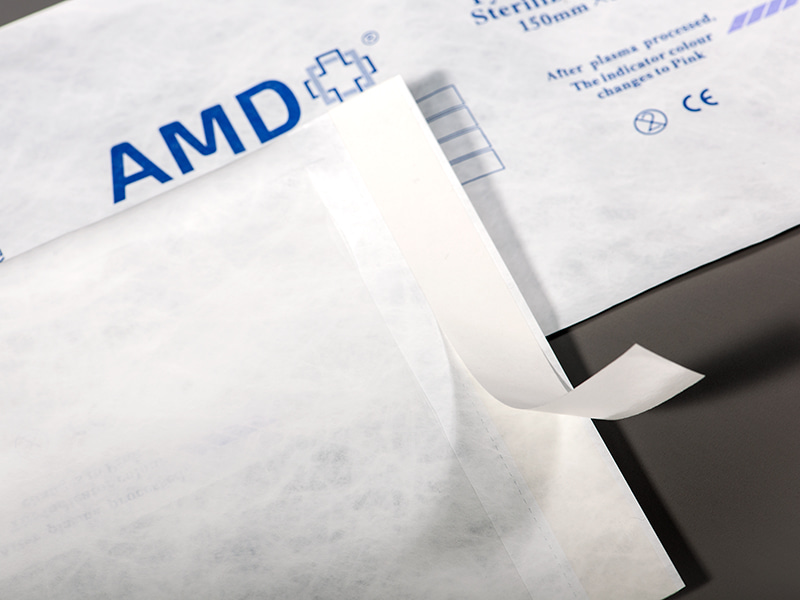
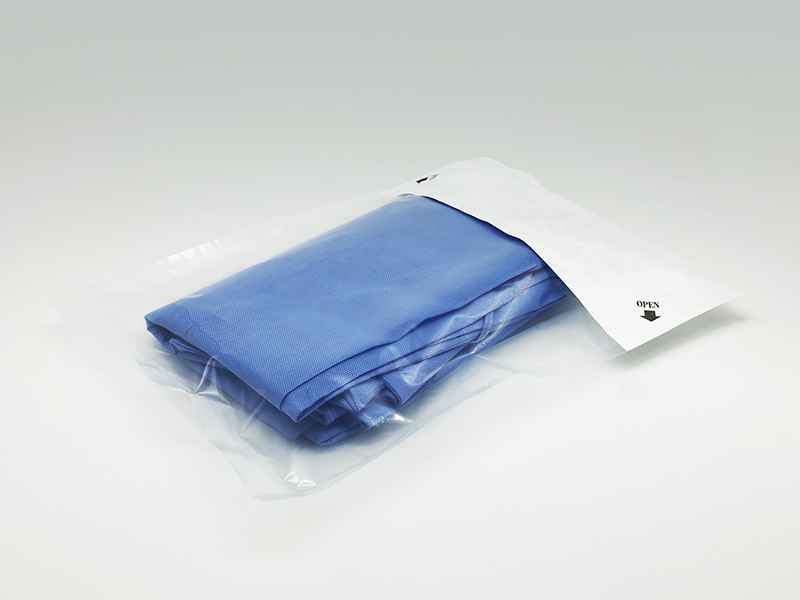
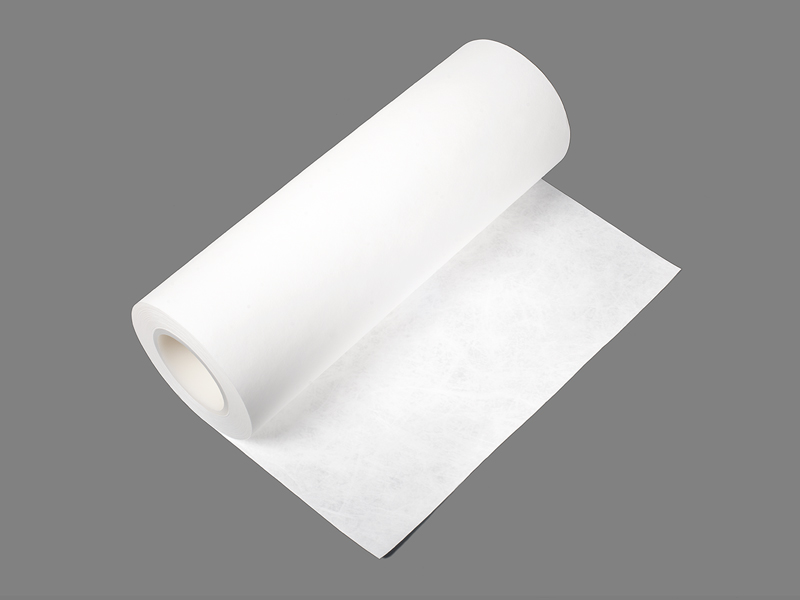
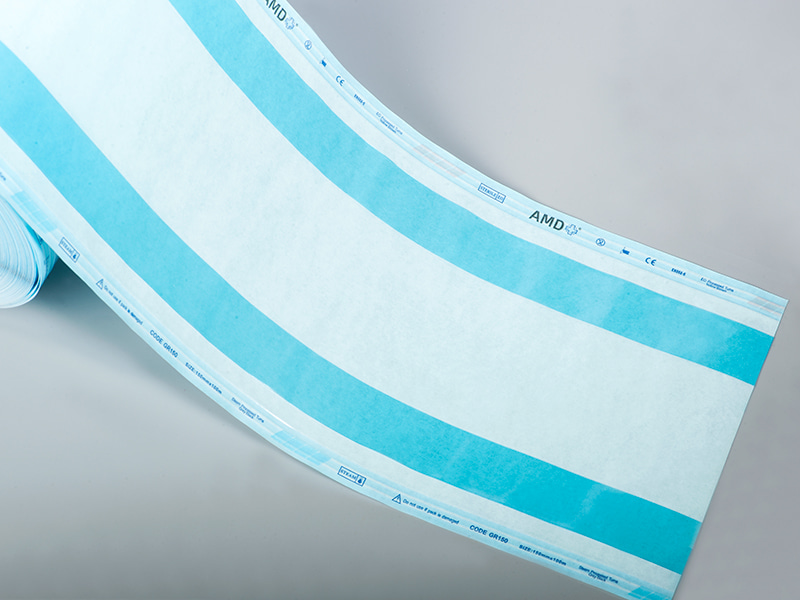
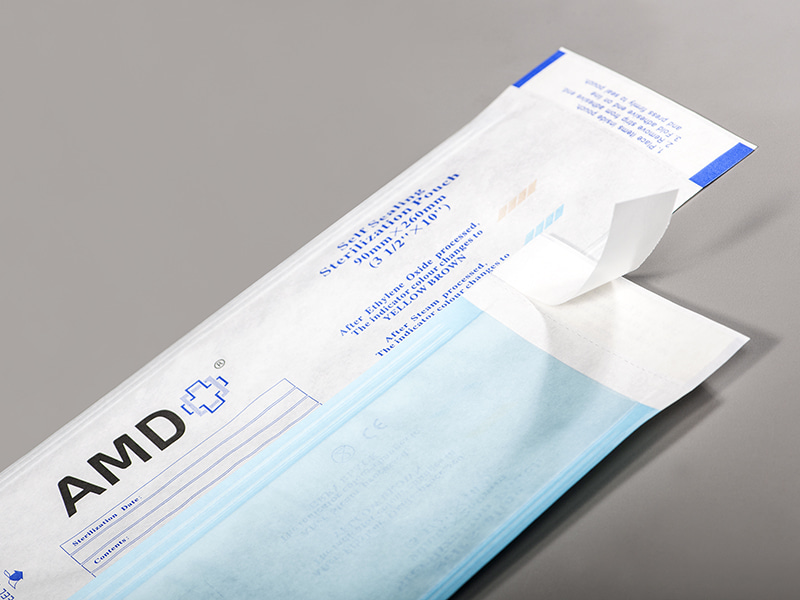
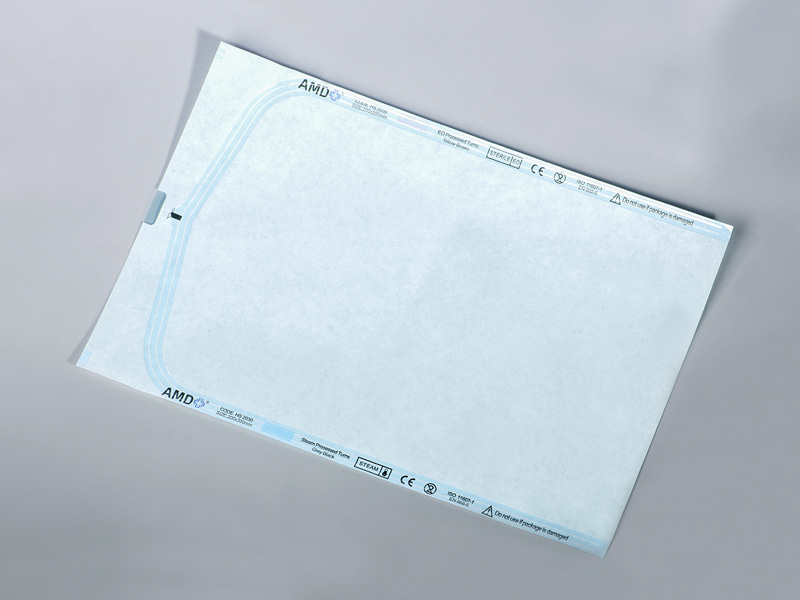
A Tyvek Sterilization Roll is one packaging format used for medical instruments and other items that require controlled packaging before sterilization. Unlike a fixed-size pouch, a roll can be prepared according to the item being packaged. This makes it suitable for facilities that work with instruments in different shapes and sizes.
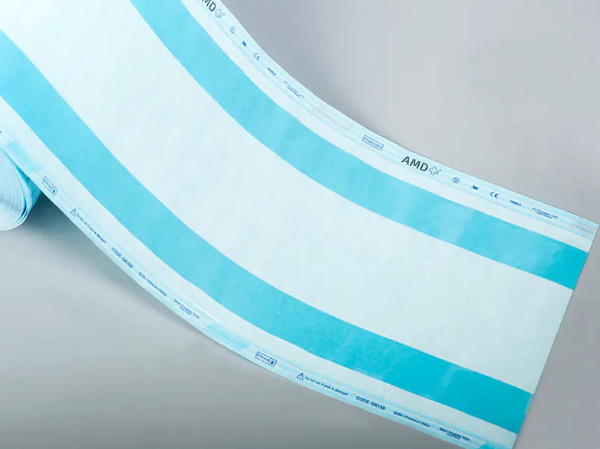
The purpose of the roll is not simply to cover an instrument. It becomes part of the handling process around sterilization. The package needs to fit the instrument, support the intended sterilization workflow, and remain practical during storage and use.
For medical facilities, understanding how this type of packaging fits into daily operations can make packaging decisions easier to manage.
Content
- 1 What Is a Tyvek Sterilization Roll?
- 2 Why Is Tyvek Sterilization Roll Used for Medical Instruments?
- 3 How Does Tyvek Sterilization Roll Fit Into the Sterilization Workflow?
- 3.1 1. Prepare the instrument for packaging.
- 3.2 2. Select a suitable section of roll material.
- 3.3 3. Form and close the package according to the facility's procedure.
- 3.4 4. Process the packaged instrument through the intended sterilization method.
- 3.5 5. Handle the package after processing.
- 3.6 6. Store it until the instrument is needed.
- 3.7 7. Open the package as part of preparation for use.
- 4 What Packaging Needs Can a Tyvek Sterilization Roll Support?
- 5 How Can Tyvek Sterilization Roll Support Instrument Protection After Sterilization?
- 6 What Should Medical Facilities Consider When Using Tyvek Sterilization Roll?
- 7 How Does a Roll Format Affect Medical Packaging Operations?
- 8 Where Does Tyvek Sterilization Roll Fit in Medical Instrument Management?
What Is a Tyvek Sterilization Roll?
A Tyvek Sterilization Roll is a roll-form packaging material used to prepare medical instruments and related items for sterilization. The material can be cut and formed into packages according to the item being handled.
This roll format gives medical staff more flexibility than packaging that comes in only one fixed size.
A medical facility may work with small instruments on one occasion and larger instrument groups on another. The packaging needs can change with the instrument. A roll allows the package to be prepared according to the situation.
The general role of the product can be understood through several areas:
| Packaging Role | General Purpose |
|---|---|
| Instrument Packaging | Provides a package for medical instruments before processing |
| Sterilization Preparation | Helps prepare packaged instruments for the intended sterilization process |
| Physical Separation | Keeps the instrument separated from surrounding items |
| Handling | Makes prepared instruments easier to move and organize |
| Storage | Provides a package for instruments before they are needed |
The roll is therefore part of a wider medical instrument workflow.
Its value comes from how it works with the steps around it rather than from packaging alone.
Why Is Tyvek Sterilization Roll Used for Medical Instruments?
Medical instruments need to be handled carefully after cleaning and before use. Packaging provides a controlled way to move an instrument through the sterilization process and later stages.
A roll format can be useful because it can accommodate different instrument sizes and shapes. Instead of keeping a large collection of fixed package sizes, a facility can prepare packaging according to its current needs.
This is particularly relevant in environments where instrument inventories change from one procedure to another.
Packaging also helps organize instruments. An individual item can be packaged separately, while several related instruments can be prepared as a group when the workflow calls for it.
After sterilization, the package continues to have a role. The instrument may need to be transported or stored before use. Keeping the item inside its prepared package helps separate it from the surrounding environment during these stages.
This creates a simple connection:
The packaging is present across several parts of this process.
For medical facilities, this means the choice of sterilization packaging should be considered as part of the entire instrument management workflow rather than as an isolated purchasing decision.
How Does Tyvek Sterilization Roll Fit Into the Sterilization Workflow?
Sterilization is a process, not a single packaging step. Instruments may move through several stages before they are ready for use.
After an instrument has been cleaned and prepared, it can be placed into suitable packaging. The package is then handled according to the facility's established sterilization procedure.
The packaging needs to be compatible with that process. The purpose is to allow the intended sterilization method to work with the packaged instrument while keeping the package useful afterward.
Once processing is complete, the package becomes part of the instrument's protected handling and storage.
This makes the relationship between packaging and sterilization important.
Medical staff may need to:
1. Prepare the instrument for packaging.
2. Select a suitable section of roll material.
3. Form and close the package according to the facility's procedure.
4. Process the packaged instrument through the intended sterilization method.
5. Handle the package after processing.
6. Store it until the instrument is needed.
7. Open the package as part of preparation for use.
Each facility may have its own procedures, and packaging practices should follow those established requirements.
The key point is that the roll should fit naturally into the existing workflow. A packaging format that creates unnecessary steps may be less practical for routine operations.
What Packaging Needs Can a Tyvek Sterilization Roll Support?
Medical facilities rarely deal with only one type of instrument.
A procedure area may require different tools for different tasks. A central processing area may also prepare instruments in sets. These items can vary in size, shape, and quantity.
A roll can support this variety because the package can be prepared according to the item.
For an individual instrument, the material can be used to create a package around that item. For a group of instruments, a larger package can be prepared when appropriate.
The flexible format can therefore support several packaging situations:
| Instrument Situation | Packaging Approach |
|---|---|
| Individual Instrument | Prepare a package around the individual item |
| Instrument Group | Create suitable space for related items |
| Different Shapes | Adapt the package to the general form of the item |
| Repeated Workflow | Prepare packages using a consistent process |
| Changing Requirements | Adjust the amount of material used for each package |
This flexibility can reduce the need to make every instrument fit the same package format.
It also gives staff a more adaptable way to manage changing workloads.
For a facility that handles many different instruments, this can be an important practical consideration.
How Can Tyvek Sterilization Roll Support Instrument Protection After Sterilization?
The sterilization process is only one stage in instrument management. After processing, instruments may need to remain packaged until they are required.
During this period, handling and storage become important.
A prepared package creates a physical layer between the instrument and its surroundings. Staff can move or organize the package without directly handling the instrument inside.
This can be particularly useful when instruments are transferred between designated areas.
Storage is another part of the process. Prepared instruments may remain in storage before they are needed. The packaging provides a consistent way to organize those items and helps keep each instrument or set separated.
The package can also support identification practices. Depending on the facility's procedures, relevant information may be associated with the package so staff can understand what it contains and how it should be handled.
Several practical needs come together here:
- Keeping prepared instruments organized
- Supporting controlled movement
- Separating instruments from surrounding items
- Making packages easier to identify
- Keeping instruments packaged until they are needed
- Supporting the facility's established storage practices
The packaging does not replace proper handling or storage procedures. It works alongside them.
This is why medical facilities need to consider what happens to the package after sterilization, not only what happens during the sterilization stage.
What Should Medical Facilities Consider When Using Tyvek Sterilization Roll?
Choosing a sterilization roll is only one part of the packaging process. How the product is used can also affect the overall workflow.
Medical facilities should consider the types of instruments they handle. A facility that works mainly with individual instruments may have different packaging needs from one that prepares many instrument sets.
Package size is another practical point. The material should provide enough room for the intended item without creating unnecessary handling work.
The sterilization method used by the facility also needs to be considered. Packaging should be suitable for the intended process and used according to the relevant instructions.
Staff workflow matters as well. The material may need to be cut, formed, closed, labeled, moved, stored, and opened. These steps should fit naturally into the facility's existing procedures.
A useful checklist can include:
| Consideration | Question to Ask |
|---|---|
| Instrument Type | What kinds of instruments need to be packaged? |
| Package Size | Can the roll support different package sizes? |
| Workflow | Does the packaging fit existing preparation steps? |
| Sterilization | Is the packaging suitable for the intended process? |
| Storage | How will packaged instruments be stored? |
| Handling | How will staff move and open the packages? |
| Organization | Can different instruments or sets be identified easily? |
These questions can help facilities look at packaging from an operational perspective.
The goal is not simply to select a material. It is to select a packaging approach that works with the complete instrument management process.
How Does a Roll Format Affect Medical Packaging Operations?
The roll format can change the way staff approach packaging.
Fixed-size packaging can be convenient when the item matches the available package. But medical facilities may not always work with uniform instruments. A roll gives staff more freedom to prepare packages for different situations.
This can also help when the facility changes the types of instruments it processes.
For example, an area may handle individual instruments during one part of its workflow and instrument groups during another. The packaging format can adapt without requiring every situation to use the same package size.
The roll can also become part of a more organized preparation routine. Staff can prepare packages based on established procedures rather than selecting a separate package for every individual instrument category.
This does not mean every medical facility will use the same approach. Packaging practices depend on the instruments, sterilization methods, storage conditions, and internal procedures involved.
The main benefit of the roll format is its adaptability.
It gives facilities a packaging option that can respond to differences in the items being prepared.
Where Does Tyvek Sterilization Roll Fit in Medical Instrument Management?
Medical instrument management involves a chain of activities. Packaging sits between preparation and later handling, which gives it a practical role throughout the workflow.
Before sterilization, the wrap provides a way to prepare the instrument. During processing, it remains part of the package. After processing, it supports handling and storage until the package is opened.
This makes packaging part of the movement of an instrument through a facility.
For medical staff, the process can be viewed as a series of connected stages:
The exact workflow may differ between facilities, but the relationship between these stages remains important.
A suitable packaging format needs to work within that relationship. It should be practical for staff, suitable for the instruments being prepared, and compatible with the facility's established procedures.
Tyvek Sterilization Roll is therefore not simply a roll of packaging material sitting at one point in a supply area. Its use can influence how instruments are prepared, processed, moved, stored, and opened.
As medical facilities manage different instrument types and changing packaging needs, the ability to prepare packages in a flexible format can remain an important part of day-to-day instrument handling.

 ‘s-Gravenweg 542, 3065SG RotterdamThe Netherlands
 +31 (0)10 254 28 08