
 English
 Français
 Deutsch
 Nederlands

Content
- 1 Visual Identification of Sterilization Process Exposure on Packages
- 2 Indicating Exposure to Specific Autoclave Process Conditions
- 3 Supporting Package Identification and Tracking Through Handling
- 4 Simplifying Routine Inspection Without Opening Packs
- 5 Improving Sterilization Workflow Management Across Stages
- 6 Understanding the Role and Limits of Chemical Indicator Labels
- 7 Indicator Uses and Practical Boundaries
- 8 Correct Application and Interpretation in Daily Work
- 9 Exposure Indication, Sorting Clarity and Disciplined Use
Visual Identification of Sterilization Process Exposure on Packages
Sterilization departments handle large numbers of wrapped trays and packs that look similar before and after a cycle. Chemical indicator labels provide a surface cue that changes appearance when the pack has been through the intended process. Staff can see at a glance which items have been exposed and which are still waiting, without relying only on memory or tray lists.
Visible colour or pattern change distinguishes processed from unprocessed items during unloading, storage and issue. That simple visual split reduces the chance that an unprocessed pack is sent forward with processed stock. Routine package identification becomes faster when every pack carries a consistent external mark that the team is trained to read the same way.
Indicating Exposure to Specific Autoclave Process Conditions
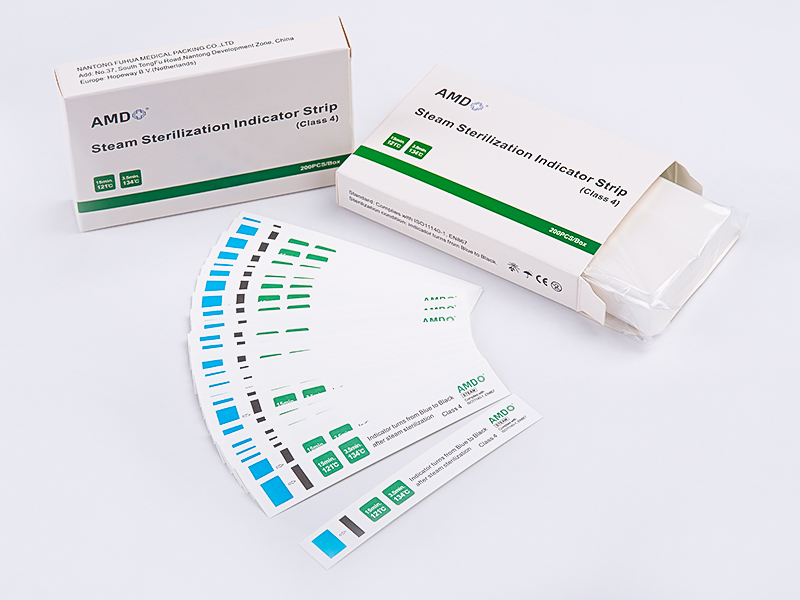
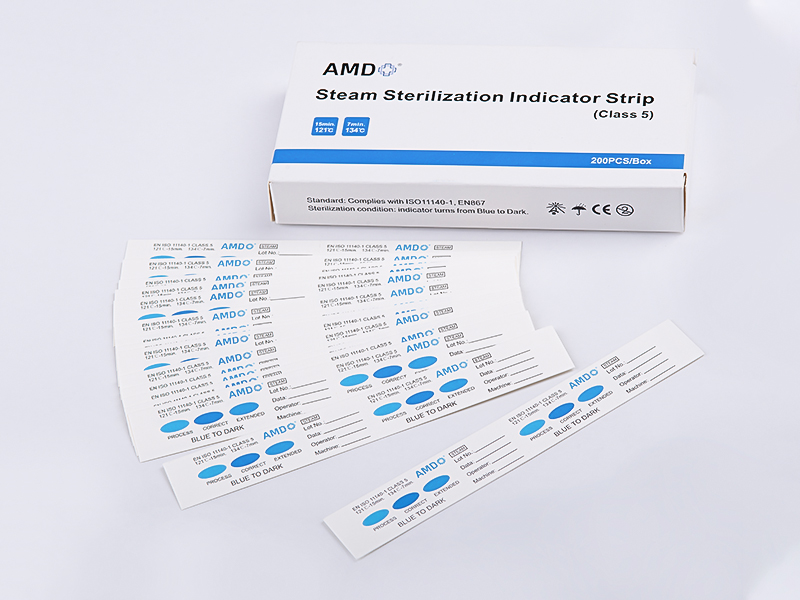
Chemical indicator labels are formulated to respond when designated conditions of the sterilization process are met at the location of the indicator. The visible change signals that those conditions were present at the pack surface or designated indicator site, according to the product's instructions for use. It is an exposure indication for the process environment the label is designed to monitor.
When a label does not change as expected, staff treat the pack as requiring further checking rather than releasing it as processed. That response supports department discipline: failed or doubtful indicators trigger investigation of load placement, cycle selection or indicator handling instead of silent acceptance. Autoclave Sterilization Indicator Tape products used as external indicators serve this gatekeeping role when applied and interpreted correctly.
Supporting Package Identification and Tracking Through Handling
After a cycle, packs move through inspection, storage and distribution. Labels that clearly show process exposure make it easier to keep sterilized stock separated from items still in the unclean or unprocessed stream. Organisation of medical supplies improves when shelves and carts are sorted by visible status rather than by assumption.
Confusion rises when multiple similar packs are handled together across shifts. External indicators give every worker the same immediate reference. Supporting identification and tracking does not replace written load records or electronic tracking systems; it adds a pack-level cue that travels with the item itself. Sterilization Tape styles designed for wrap closure often combine securing the pack with this visible status function.
Simplifying Routine Inspection Without Opening Packs
Opening a sterile pack solely to see whether it was processed defeats the purpose of the wrap. External chemical indicators allow inspection by eye during handling and distribution. Staff confirm the expected change, check for pack integrity and move on without breaking the barrier.
Convenient inspection supports busy throughput when indicator placement is standardised and lighting is adequate for reading the change. Labels that are obscured by over-wrap, water staining or poor adhesion lose that convenience, which is why application technique and storage of unused indicators matter as much as the chemistry. Inspection remains a trained observation against the manufacturer's colour reference, not a casual glance.
Improving Sterilization Workflow Management Across Stages
Workflow in a sterilization department moves through decontamination, assembly, sterilization, sterile storage and issue. Chemical indicator labels help staff organise items at the sterilization and post-sterilization stages by making processed status obvious on the outer pack. Sorting on carts and in release areas becomes a visual task linked to standard operating procedures.
Routine workflow checks—before a load is released, when stock is rotated, when a tray is selected for a case—are faster when indicators are present and legible. Management value appears as fewer mis-sent packs and clearer separation of streams, not as a substitute for biological indicators, physical monitors or staff training. Autoclave Tape Chemical Indicator formats that stay adhered through the cycle support that workflow only when the tape is compatible with the wrap and cycle type in use.
Understanding the Role and Limits of Chemical Indicator Labels
Chemical indicator labels support sterilization monitoring by showing process exposure at the indicator site. They do not, by themselves, confirm that every surface of every instrument inside the pack is sterile. Sterility assurance depends on validated cycles, correct packaging, appropriate load configuration, physical process data and, where required, biological monitoring and department quality procedures.
Using chemical indicators alongside those other controls is standard professional practice. Treating a colour change as a full sterility certificate overstates what the label is designed to do; ignoring a failed indicator understates its value as an early warning. Clear procedures for pass, fail and doubtful results keep the tool in its proper place. Market interest in the Sterilization Indicator Tape Market reflects ongoing need for reliable external indicators within that broader quality framework, not a belief that tape alone replaces a complete monitoring program.
Indicator Uses and Practical Boundaries
| Use in the department | What the label supports | Important limit |
|---|---|---|
| Processed vs unprocessed sort | Visual status on the outer pack | Does not prove internal sterility |
| Cycle exposure indication | Response to designated process conditions | Read per manufacturer reference |
| Handling and storage ID | Separation of streams on carts and shelves | Must remain adhered and legible |
| Inspection without opening | External check during release | Poor placement defeats the benefit |
| Workflow organisation | Faster sorting at sterilization stages | Complements records and other monitors |
| Quality system role | Pack-level process exposure cue | Used with physical and biological controls |
Correct Application and Interpretation in Daily Work
Labels and tapes must be stored, applied and read according to their instructions. Wrong cycle type, expired stock, blocked indicator faces or interpretation under poor light produce misleading results. Training new staff on the expected colour change and on fail actions protects the usefulness of every roll used on the line. Departments should match indicator classification and format to the sterilization method actually run in the autoclave.
Exposure Indication, Sorting Clarity and Disciplined Use
Autoclave chemical indicator labels are useful because they visually mark process exposure, respond to designated sterilization conditions, support pack identification, simplify external inspection, aid workflow sorting and fit within a monitoring system that also recognises their limits. Hopeway AMD B.V. supplies sterilization indicator products including chemical indicator labels and tapes for autoclave process monitoring. Review of cycle types, packaging methods and department procedures against indicator instructions supports consistent, correct use in sterilization monitoring.










 ‘s-Gravenweg 542, 3065SG RotterdamThe Netherlands
 +31 (0)10 254 28 08