
 English
 Français
 Deutsch
 Nederlands

Content
- 1 Compatibility with the Intended Sterilization Method and Cycle
- 2 Clear and Easily Recognizable Color Changes After Processing
- 3 Adhesive Performance and Compatibility with Packaging Materials
- 4 Label Material Strength and Resistance to Process Conditions
- 5 Ease of Application and Space for Package Identification
- 6 Product Quality Documentation, Instructions and Storage Discipline
- 7 Buyer Checklist for Indicator Label Selection
- 8 Trial Use Before Standardising a Product
- 9 Method Fit, Legibility, Adhesion and Documented Quality
Compatibility with the Intended Sterilization Method and Cycle
Indicator labels are built for defined process families. A product intended for steam autoclave conditions will not necessarily respond correctly in a different sterilization modality. Buyers should confirm that the label is designed for the method actually used in the department and that the stated response conditions align with the cycles run on site.
Selecting labels that match application requirements avoids false confidence from a colour change that does not relate to the real process, or from no change when staff expected one. Technical data sheets and instructions for use are the reference, not catalogue photos alone. Autoclave Sterilization Indicator Tape and label formats should be checked the same way: method, cycle type and placement rules before bulk commitment.
Clear and Easily Recognizable Color Changes After Processing
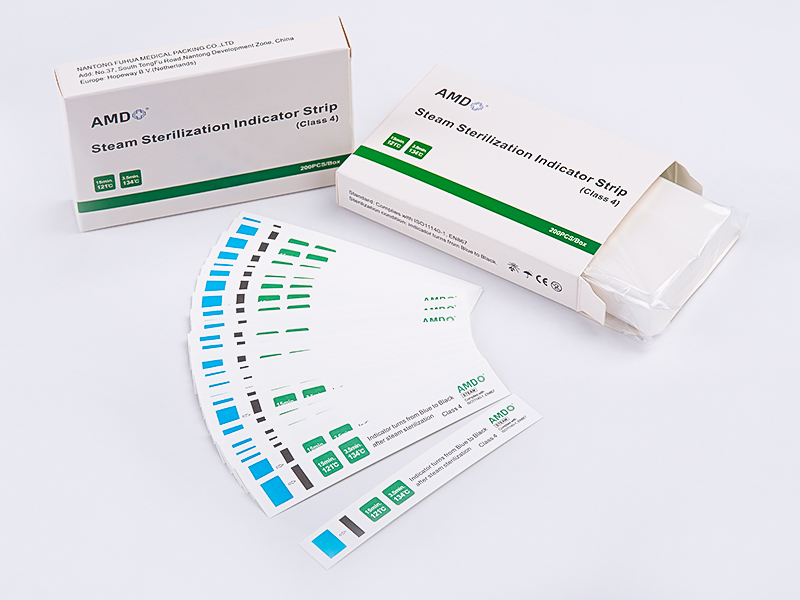
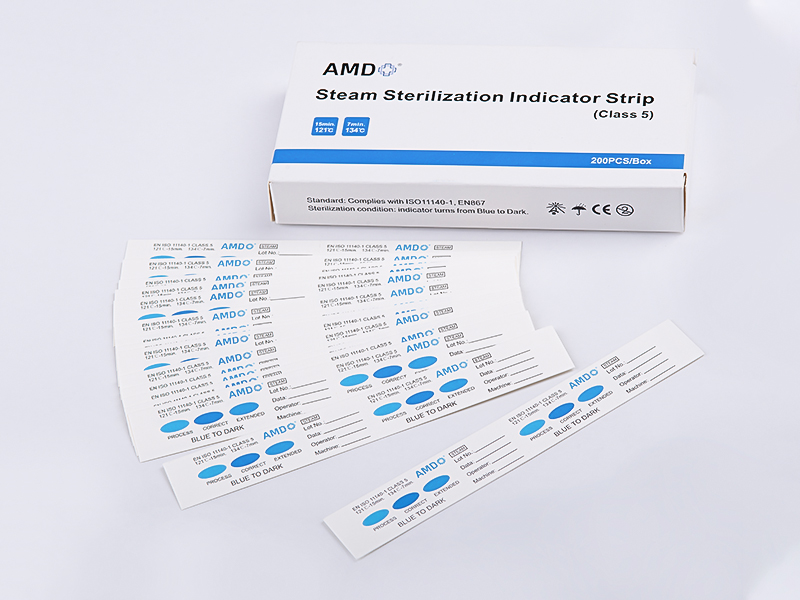
The practical value of a chemical indicator is a change that staff can see and interpret consistently. Distinct colour transitions reduce arguments about whether a pack “looks done.” Consistency of response across a roll and across batches supports training: the same pass reference applies on every shift.
Readability under routine workplace lighting matters. Indicators that only show a clear shift under ideal bench light create doubt in the sterilizer unloading area. Buyers can ask for sample interpretations against the manufacturer's reference and involve the staff who will read the labels daily. Ambiguous endpoints increase both unnecessary reprocessing and risky release decisions.
Adhesive Performance and Compatibility with Packaging Materials
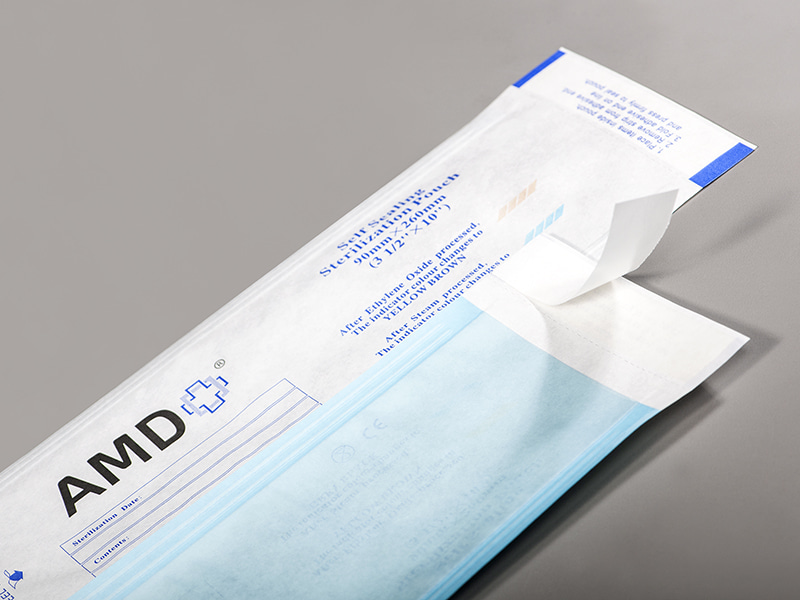
Labels must stay on the pack through loading, the cycle, unloading and handling. Adhesive that lifts at the edge or falls off in the chamber leaves packs without a status mark and can contaminate equipment. Compatibility with wrap materials, pouches and container systems used in the facility should be verified, because surface energy and texture differ.
Some workflows also need clean removal or acceptance of permanent adhesion; that preference should be stated when evaluating products. Convenient handling includes whether gloves grip the liner easily and whether labels dispense without tearing. Sterilization Tape used to close wraps adds the further demand that adhesion survive steam and handling while still allowing the indicator face to remain visible.
Label Material Strength and Resistance to Process Conditions
The face stock and print must tolerate the moisture, heat and mechanical movement of the intended process without bleeding, darkening into unreadability or disintegrating. A label that survives the cycle but can no longer be read does not help inspection. Resistance to routine handling after the cycle—cart contact, shelf stacking—also preserves the record on the pack.
Assessment is practical: process sample packs through representative cycles and inspect the indicator afterward. Material suitability is judged on the processed result, not only on the unused label on a desk. Autoclave Tape Chemical Indicator constructions should be reviewed for the same post-process legibility when tape is the chosen format.
Ease of Application and Space for Package Identification
Labels that are awkward to apply slow the assembly line and encourage careless placement. Size and shape should fit the pack surfaces commonly used without covering required manufacturer markings on commercial pouches. Writing space, where needed, supports batch codes, load numbers or dates according to department procedure.
Surfaces that accept pen or approved markers without smearing help recordkeeping. Buyers should confirm what writing instruments are recommended so that ink does not transfer or vanish during the cycle. Application ease and identification support sound small on a specification sheet but large in daily throughput.
Product Quality Documentation, Instructions and Storage Discipline
Consistent manufacturing and available quality documentation give buyers a basis for acceptance and for investigating complaints. Clear instructions for use—placement, interpretation, limitations—belong with every product presentation. Storage conditions and shelf-life information protect response chemistry; stock rotated incorrectly is a silent failure mode.
Packaging integrity and traceability (lot identity on the inner pack) support recall readiness and internal quality audits. The Sterilization Indicator Tape Market offers many similar-looking products; documentation quality is one practical way to differentiate suppliers beyond unit price. Facilities should treat indicator labels as controlled process aids, not as anonymous consumables.
Buyer Checklist for Indicator Label Selection
| Feature area | What to verify | Why it matters |
|---|---|---|
| Method compatibility | Match to actual sterilization process | Correct exposure response |
| Colour change clarity | Distinct, teachable pass/fail appearance | Consistent staff interpretation |
| Adhesive and pack fit | Holds through cycle; suits wrap materials | Status mark stays with the pack |
| Material after process | Remains legible and intact | Inspection still possible |
| Application and writing | Easy place; space for required IDs | Speed and traceability on the line |
| Documents and storage | IFU, shelf life, lot ID, quality info | Controlled use and investigation support |
Trial Use Before Standardising a Product
Sample evaluation on real packs and real cycles reveals adhesive, legibility and interpretation issues that paper comparison misses. Involving sterile processing staff in the trial surfaces workflow friction early. Once a product is chosen, training and competency checks lock in the intended reading of the colour change and the actions for fail or doubtful results.
Method Fit, Legibility, Adhesion and Documented Quality
Buyers evaluating sterilization indicator labels should prioritise compatibility with the intended method, clear colour response, reliable adhesion on facility packaging, material durability through processing, practical application and identification space, plus solid instructions, storage data and traceability. Hopeway AMD B.V. supplies sterilization indicator labels and related chemical indicator products for professional process monitoring. Review of cycle methods, packaging materials and department procedures against product instructions supports selection of labels suited to daily sterilization monitoring needs.






 ‘s-Gravenweg 542, 3065SG RotterdamThe Netherlands
 +31 (0)10 254 28 08