
 English
 Français
 Deutsch
 Nederlands
Content
- 1 Why does a simple color shift attract so much attention?
- 2 What exactly triggers the color change?
- 3 Does the color change confirm sterilization?
- 4 How should the color change be interpreted in daily work?
- 5 What factors can influence how the color appears?
- 6 Can different color patterns carry different meanings?
- 7 Why do visual indicators still matter in modern settings?
- 8 What are the common mistakes in reading EO indicator tape?
- 9 How does placement affect what the color change tells you?
- 10 Is the color change always immediate and clear?
- 11 How does EO indicator tape fit into a broader safety approach?
- 12 Why does this small detail continue to matter?
Why does a simple color shift attract so much attention?
Walk into any environment where sterile items are prepared, and small visual cues start to matter more than they seem. A strip of tape, often overlooked, becomes a quiet signal that something important has taken place. Eo Gas Indicator Tape is one of those signals. Its color change is not decorative. It is intentional, subtle, and widely relied upon.

People tend to trust what they can see. That instinct explains why visual indicators remain in use even as systems become more automated. A color shift offers a quick reference point. It does not require interpretation through devices or screens. It speaks in a language that anyone in the room can understand at a glance.
Yet that simplicity can also to confusion. A darker line or a changed pattern may be taken as proof of a completed process. In reality, the meaning is more specific and a bit more limited. The color change tells a story, but not the whole story.
What exactly triggers the color change?
The shift in color happens when the tape is exposed to a certain environment created during sterilization. This environment includes the presence of a gas, controlled conditions, and a period of exposure. The tape is designed to respond to that combination.
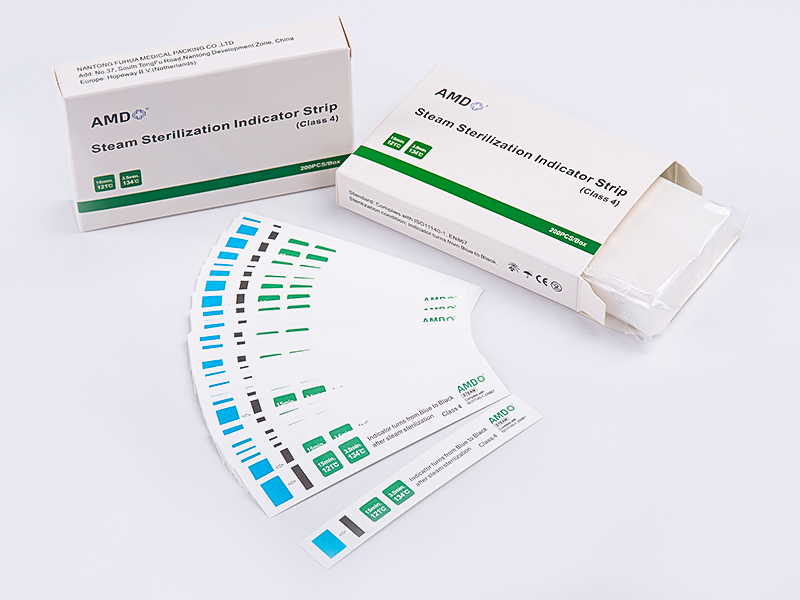
Inside the printed markings on the tape are materials that react when exposed to the sterilizing agent. When that exposure reaches a certain level, a visible transformation occurs. The change is meant to be clear enough to notice without tools.
This reaction is not random. It is built to occur only under specific conditions. If those conditions are not present, the tape should remain unchanged. That contrast is what gives the tape its purpose.
At the same time, the reaction does not measure every detail of the process. It does not track how evenly the gas spreads or how deeply it reaches into packaging. It reflects exposure, not completeness.
Does the color change confirm sterilization?
This is where misunderstandings often begin. A changed color can be reassuring. It suggests that the item has gone through a process. Still, it does not confirm that the item is fully sterile.
The tape responds to exposure, not to the absence of all unwanted elements. It does not verify that every surface has been reached. It does not assess whether conditions were maintained throughout the entire cycle.
Think of it as a checkpoint rather than a final verdict. The color change indicates that a key part of the process took place. It does not replace other methods used to ensure safety.
In practice, teams rely on a combination of indicators. Some are visual, like the tape. Others involve deeper checks that are not visible on the surface. The tape plays its role within that broader system.
How should the color change be interpreted in daily work?
In routine use, the tape serves as a quick sorting tool. Staff can separate items that have been exposed from those that have not. This helps prevent mix-ups during handling and storage.
The interpretation is usually straightforward:
- No change suggests no exposure.
- A visible change suggests that exposure occurred.
That simplicity supports efficiency. Items can move through different stages without constant rechecking through complex methods. The tape reduces uncertainty during busy workflows.
Still, careful handling is needed. A partial change, or a faint shift, may raise questions. Lighting conditions, viewing angles, and even the observer’s experience can influence perception. Teams often develop shared habits to read these signals consistently.
What factors can influence how the color appears?
The color change may seem like a fixed result, but it can be affected by several surrounding factors. These do not alter the basic function of the tape, yet they can influence how the result looks.
Common influences include:
Storage conditions before use
If the tape is stored in an unsuitable environment, its responsiveness may shift. This can find to less distinct color changes.
Surface placement
Where the tape is applied can affect exposure. A surface that is shielded or folded may not receive the same level of contact.
Environmental variation during the process
Uneven conditions can result in uneven color development. Some sections of the tape may change more clearly than others.
Human perception
Not all observers see color in the same way. What looks complete to one person may appear uncertain to another.
These influences do not make the tape unreliable. They simply highlight the need for thoughtful use and awareness of context.
Can different color patterns carry different meanings?
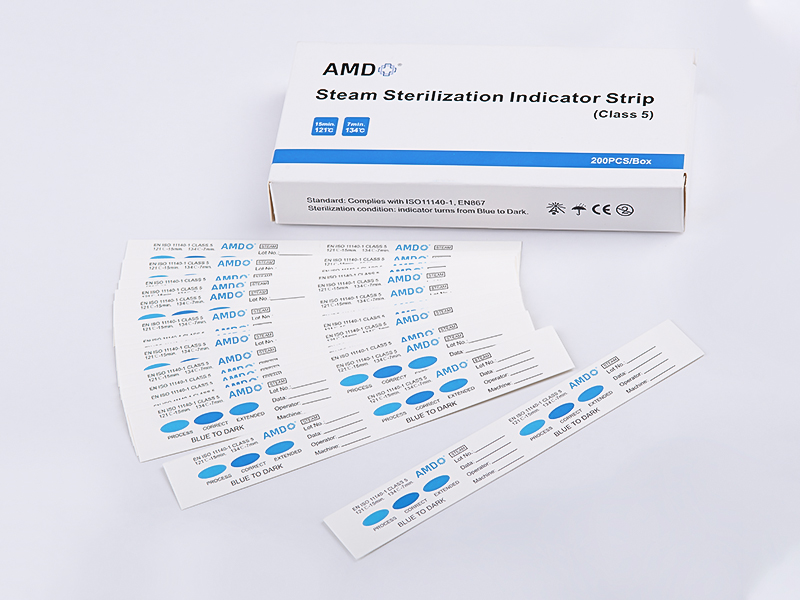
Not all indicator tapes look the same after exposure. Some change from one solid color to another. Others reveal patterns, such as stripes or marks that become visible.
These variations are part of the design. They are meant to enhance visibility and reduce ambiguity. A pattern can be easier to confirm than a subtle shade shift.
Below is a simple comparison of how visual outcomes may be interpreted:
| Visual Result | General Meaning | Typical Use Insight |
|---|---|---|
| No visible change | No exposure detected | Item likely not processed |
| Clear color shift | Exposure occurred | Item passed through process |
| Pattern appears | Exposure confirmed visually | Easy identification in busy areas |
| Uneven color | Possible uneven exposure | May require closer attention |
This table reflects general practice rather than strict rules. The key idea is that the tape provides a visual cue, not a detailed report.
Why do visual indicators still matter in modern settings?
With the growth of digital monitoring, some may question the role of simple tools like indicator tape. Yet visual indicators continue to serve a practical role.
They offer immediate feedback. No device is needed. No data must be retrieved. In fast-paced environments, that speed can make a difference.
They also support communication. A changed color can be understood by anyone, regardless of technical background. This shared understanding reduces the risk of misinterpretation across teams.
Another aspect is redundancy. Systems work better when more than one method is used to confirm a process. The tape adds an extra layer of confidence, even if it is not the only measure.
In this sense, the tape is not outdated. It is part of a layered approach that balances simplicity and reliability.
What are the common mistakes in reading EO indicator tape?
Even a simple tool can be misunderstood. Misreading the tape can find to incorrect assumptions about whether an item is ready for use.
Some common issues include:
- Assuming color change equals full sterilization
This is the frequent misunderstanding. The tape indicates exposure, not completion.
- Ignoring partial or uneven changes
A patchy result may signal inconsistent conditions. It should not be dismissed without thought.
- Using tape beyond its intended condition
Old or improperly stored tape may not respond as expected.
- Relying on memory instead of visual confirmation
In busy settings, it can be tempting to assume that an item has been processed. The tape exists to prevent that kind of guesswork.
Awareness of these pitfalls helps maintain the value of the indicator.
How does placement affect what the color change tells you?
Where the tape is placed is just as important as the tape itself. Placement determines how well the tape reflects the conditions of the process.
If the tape is placed on an outer surface, it will respond to the environment that reaches that surface. This is useful for confirming that the item has entered the process.
However, it does not reveal what happens inside a package. Internal conditions may differ. That is why external indicators are often paired with other methods.
Thoughtful placement can improve the usefulness of the tape:
- Place it where it will be clearly visible after processing
- Avoid areas that may be folded or blocked
- Ensure it is securely attached so it does not shift
These small decisions influence how clearly the result can be read.
Is the color change always immediate and clear?
In many cases, the change appears clearly after the process. Still, there can be moments when the result is less obvious.
The shift may develop gradually. It may deepen over time after exposure. In some cases, lighting conditions can make the result appear lighter or darker.
This does not mean the tape has failed. It simply means that visual interpretation requires attention. Teams often rely on consistent lighting and viewing practices to reduce uncertainty.
Some environments even designate specific areas for checking indicators. This helps ensure that results are read under similar conditions each time.
How does EO indicator tape fit into a broader safety approach?
The tape is one piece of a larger system. It works alongside other checks that confirm whether items are safe for use.
Visual indicators are often the immediate layer. They help with sorting and quick decisions. Behind that layer, more detailed methods provide deeper assurance.
This layered approach reflects a simple idea: no single method should carry the full burden of confirmation. Each tool contributes its own type of information.
The tape answers a specific question: was the item exposed to the intended process? Other tools answer different questions.
When these answers align, confidence increases. When they do not, further investigation is needed.
Why does this small detail continue to matter?
In many workflows, attention is drawn to larger systems and advanced tools. Yet small details often carry practical weight. EO indicator tape is one of those details.
Its color change is quiet but meaningful. It supports daily decisions. It helps prevent simple mistakes. It offers a shared signal that can be understood across roles.
The value lies not in complexity, but in clarity. A simple visual cue, when used correctly, can support a consistent and careful process.
That is why the color change continues to matter. It is not a final answer. It is a clear sign that something important has happened, and that the next step can be taken with greater awareness.









 ‘s-Gravenweg 542, 3065SG RotterdamThe Netherlands
 +31 (0)10 254 28 08