
 English
 Français
 Deutsch
 Nederlands
Self Seal Pouches Medical are small items, but their storage conditions carry more weight than it seems at glance. In medical packaging spaces, they sit quietly on shelves or in drawers, waiting for use. Nothing changes on the surface, yet their condition is slowly shaped by the environment around them.
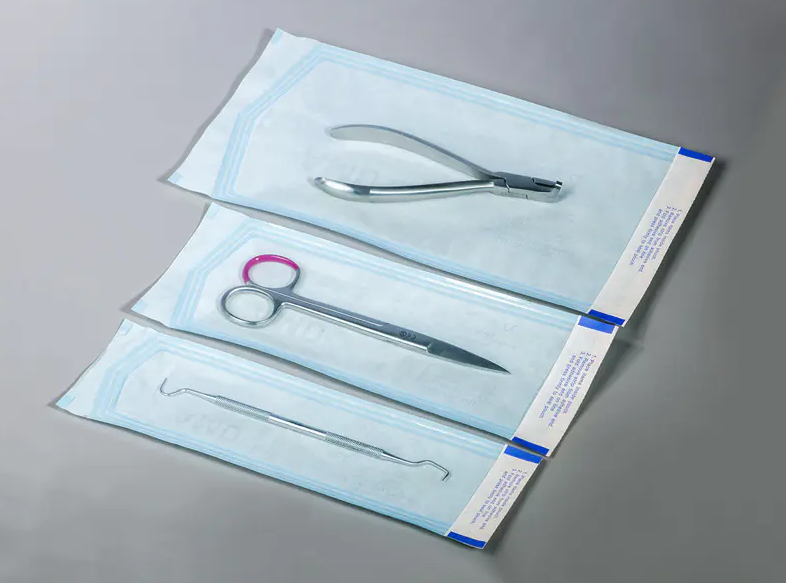
Storage is not only about keeping them "somewhere safe." It is about preserving stability, cleanliness, and sealing behavior before they ever enter a workflow.
Content
- 1 What does proper storage actually mean in daily use?
- 2 Where should self seal medical pouches be kept?
- 3 How does temperature quietly influence pouch condition?
- 4 What role does humidity play in storage stability?
- 5 How should pouches be arranged on shelves?
- 6 Why does handling during storage change long-term behavior?
- 7 What are common storage issues in real environments?
- 8 How does lighting affect stored pouches?
- 9 What does a well-organized storage system look like?
- 10 How does storage connect to sealing performance later?
- 11 Why does storage consistency matter more than strict rules?
What does proper storage actually mean in daily use?
Proper storage is often misunderstood as simply "putting items away." In practice, it is closer to maintaining a steady resting state for materials.
Self seal pouches rely on surface consistency. The sealing area, the layered structure, and even the fold lines respond to pressure and environment over time.
If storage is unstable, the pouch may not show visible damage immediately. Changes tend to be subtle. A slight curl at the edge. A surface that feels less smooth. A seal line that behaves differently under pressure.
These small shifts are usually what define long-term usability.
Where should self seal medical pouches be kept?
The storage location shapes everything that follows.
A suitable space is usually quiet, dry, and separated from active work zones. Not because of strict rules, but because movement and disturbance create unnecessary contact.
In real environments, storage often falls into a few simple setups:
- Closed cabinets in clean rooms
- Wall-mounted shelving systems
- Dedicated storage carts with covers
- Drawer-based separation units
Each approach shares the same idea: reduce exposure, reduce handling, reduce randomness.
Open surfaces are usually avoided. Even if they look convenient, they invite dust and accidental contact.
How does temperature quietly influence pouch condition?
Temperature does not act suddenly. It works in slow layers.
A slightly warmer space may soften the feel of the material. A cooler one may make it more rigid when handled. These changes are not dramatic, but they influence how the pouch responds when opened or sealed.
The key concern is fluctuation. Not warmth or cold itself, but the constant shift between them.
When storage conditions stay steady, the material holds its original behavior longer. That stability becomes noticeable only later, during actual use.
What role does humidity play in storage stability?
Humidity often behaves like a silent background factor.
If the air becomes too moist, the surface condition can gradually change. The pouch may feel less crisp. Stacking behavior may also shift slightly.
If the air becomes too dry, handling can feel different in another way. Static behavior may appear, or the material may respond more sharply to movement.
The goal is not perfection, but balance. A steady middle range helps the pouch remain predictable.
Many storage areas rely on simple monitoring rather than complex systems. What matters is avoiding sudden swings.
How should pouches be arranged on shelves?
Arrangement is where storage becomes practical.
A common mistake is treating pouches as "flat objects to stack." In reality, pressure distribution matters more than height.
A more stable approach usually looks like this:
- Flat alignment, not angled stacking
- Light pressure, never compressed layers
- Clear separation between different sizes
- Smooth shelf surfaces without sharp edges
Some facilities also separate fast-moving stock from long-term storage. This reduces repeated handling of the same items.
The less a pouch is moved, the more stable it remains.
Why does handling during storage change long-term behavior?
Every time a pouch is touched, lifted, or shifted, it experiences small stress points.
One movement is harmless. Repeated movement is what matters.
Over time, edges may lose alignment. Fold lines may become slightly more visible. Even sealing zones can respond differently if pressure has been applied unevenly during storage.
This is why storage systems often aim to reduce "touch frequency" rather than just organize items.
A simple rule appears in many environments:
If it does not need to be moved, leave it where it is.
What are common storage issues in real environments?
In actual workplaces, storage problems rarely come from one big mistake. They come from repeated small habits.
Some typical situations include:
- Overcrowded shelves where items press against each other
- Pouches placed too close to walls or floor edges
- Mixed sizes stored without separation
- Open storage near active working zones
- Irregular stacking during busy periods
Each of these does not destroy quality immediately. The impact builds slowly, often unnoticed until later handling feels less smooth.
How does lighting affect stored pouches?
Lighting is often underestimated in storage discussions.
Strong or direct light exposure over long periods can gradually affect surface behavior. It is not a sudden change, but a slow shift in material response.
Indirect lighting or enclosed storage helps maintain consistency. Many storage setups rely on shaded areas rather than fully exposed racks.
The idea is simple: reduce unnecessary exposure, even if the effect seems small day to day.
What does a well-organized storage system look like?
A well-organized system is usually not complicated. It feels almost calm in structure.
It often includes:
- Clear labeling for quick identification
- Separate zones for different pouch types
- Easy-access placement for frequently used items
- Protected storage for long-term stock
- Minimal cross-contact between categories
The key is not strict design, but predictable layout.
When staff can find and return items without extra movement, storage naturally becomes more stable.
How does storage connect to sealing performance later?
Storage does not perform sealing work, but it influences it indirectly.
A pouch that has been stored evenly tends to behave more predictably when sealed. The edges sit flat. The surface responds consistently. The overall handling feels smoother.
When storage is uneven, small differences appear during use. Not always obvious, but enough to change the rhythm of work.
This is why storage is often treated as part of the workflow rather than a separate step.
Why does storage consistency matter more than strict rules?
In real environments, conditions are not always perfect. What matters more is stability over time.
A storage system does not need to be complex. It needs to behave the same way every day.
When temperature, humidity, handling, and layout remain steady, the pouches naturally maintain their condition.
In a way, storage is less about control and more about avoiding unnecessary change.
The less variation there is in storage behavior, the more predictable everything becomes later in use.
 ‘s-Gravenweg 542, 3065SG RotterdamThe Netherlands
 +31 (0)10 254 28 08