

 English
 Français
 Deutsch
 Nederlands

Reusable instruments that pass through steam sterilization must be clearly distinguished from those that have not yet been processed. External chemical indicators applied to the outside of each pack provide a visual signal that the pack has been exposed to the conditions of a steam cycle. When the tape is applied to suitable packaging, remains in place throughout the cycle and is examined against the expected post-exposure appearance, it supports orderly separation of processed and unprocessed items. Sterilizer Indicator Tape designed for steam service therefore forms a practical part of routine packaging and load management when its adhesive and indicator response match the materials and cycle in use.
Content
- 1 Purpose and Basic Response of Steam Indicator Tape
- 2 Sequence for Applying and Interpreting the Tape
- 3 Errors That Compromise Indicator Reliability
- 4 Selection Criteria for Steam-Compatible Indicator Tape
- 5 Contribution of External Indication to Daily Workflow Organization
- 6 Overview of Application Steps and Common Pitfalls
- 7 Integrating Correct Tape Use into a Controlled Sterilization Process
Purpose and Basic Response of Steam Indicator Tape
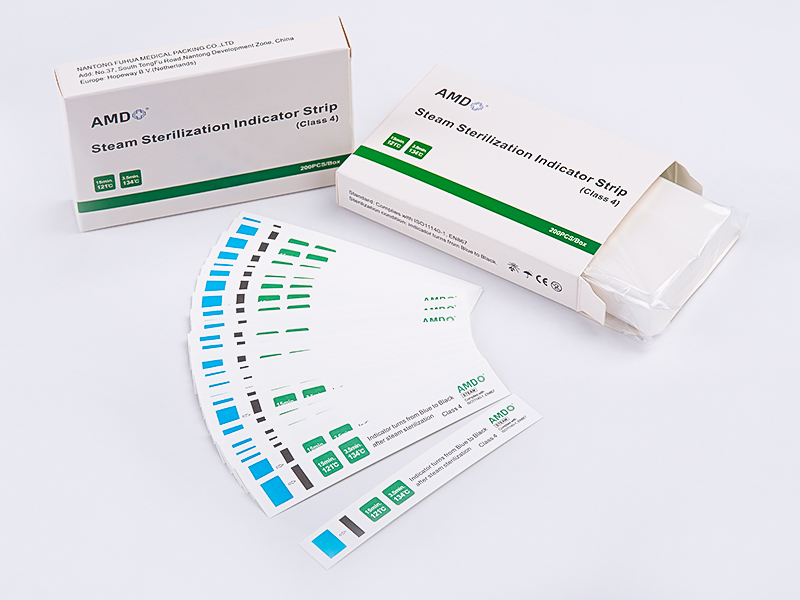
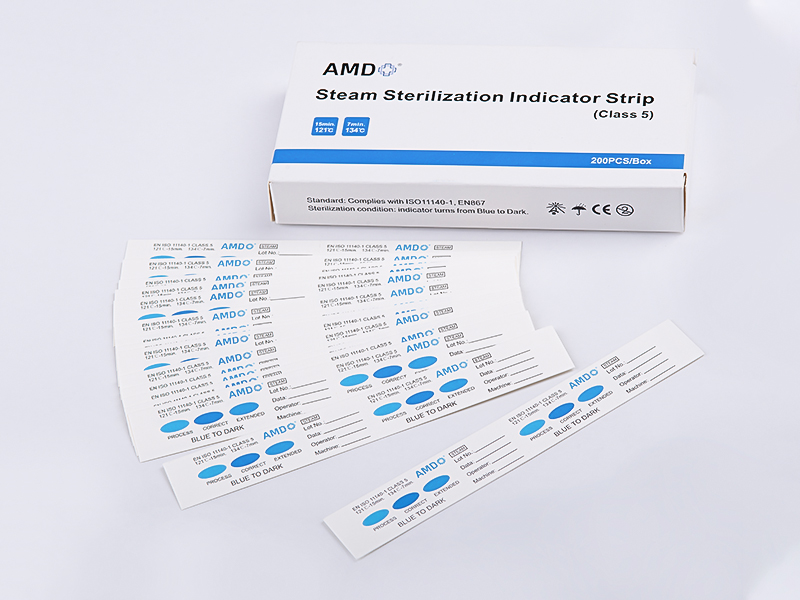
Steam process indicator tape is affixed to the exterior of a sterilization pack so that staff can see at a glance whether that pack has passed through a steam cycle. The printed markings are formulated to change appearance when they encounter the combination of steam, temperature and time that characterizes the intended process. A successful change shows that the exterior of the pack experienced those conditions; it does not, by itself, demonstrate that every surface inside the pack is sterile. Internal chemical indicators, biological indicators and physical monitoring of the sterilizer remain necessary elements of a complete assurance program.
Sequence for Applying and Interpreting the Tape
Preparation of the Pack Before Taping
Instruments are cleaned according to the facility protocol and dried to the degree required by the packaging instructions. Compatible sterilization wrap or rigid containers are selected so that steam can reach the contents and the pack can withstand the mechanical stresses of the cycle. The packaging is inspected for tears, punctures or incomplete seals before any tape is applied.
Secure Placement of the Indicator Strip
A length of tape sufficient to bridge the closure is cut and positioned so that it holds the wrap or lid in place without obscuring written identification or the main indicator markings. The adhesive side is pressed firmly and evenly onto a clean, dry surface. Loose edges or wrinkles are smoothed so that the tape cannot lift during loading or during the pressure changes of the cycle.
Execution of the Validated Steam Cycle
Packs are arranged in the chamber according to the sterilizer manufacturer's loading diagram, leaving space for steam circulation. A cycle that has been validated for the instruments and packaging in use is selected. Temperature, exposure time and any drying phase are left at the validated settings; unapproved alterations are avoided.
Examination of the Indicator After the Cycle
The load is allowed to cool and dry to the point at which packs can be handled safely. Each tape is compared with the reference appearance supplied by the tape producer. Packs whose markings have not changed as expected are segregated and investigated according to the facility's non-conformance procedure before any reprocessing decision is made.
Errors That Compromise Indicator Reliability
Application to dusty, damp or greasy packaging prevents full adhesion and can leave the tape partially detached after the cycle. Insufficient length or incomplete pressure along the strip allows the pack to open during handling. Failure to compare the final appearance with the published reference risks accepting packs that did not experience adequate steam conditions. Reliance on the external color change as the sole evidence of sterilization overlooks the need for internal indicators and sterilizer monitoring. Re-use of tape, or the use of stock that is past its labelled shelf life or has been stored outside the recommended conditions, introduces uncertainty about both adhesion and chemical response.
Selection Criteria for Steam-Compatible Indicator Tape
Indicator markings must present a clear contrast between the unexposed and exposed states under ordinary working light. The adhesive must remain attached to the chosen packaging material throughout the pressure and temperature profile of the cycle. Tape width and handling characteristics should suit the usual pack sizes and the speed of the packaging workflow. Compatibility with the specific steam conditions and with the wrap or container material is confirmed from the product data rather than assumed. Storage conditions and the stated shelf life are observed so that both the adhesive and the indicator chemistry retain their expected performance until the moment of use.
Contribution of External Indication to Daily Workflow Organization
A visible process indicator on every pack allows staff to separate items that have completed a steam cycle from those still awaiting processing. When the tape is applied consistently and read against a fixed reference, the sorting step becomes rapid and less prone to mix-ups. The same visual cue supports documentation and traceability when packs move between the sterilizer, the sterile storage area and the point of use. Confirmation that the chosen tape's adhesive and indicator response match the facility's packaging and cycle parameters remains a prerequisite for this organizational benefit.
Overview of Application Steps and Common Pitfalls
| Stage or Consideration | Required Action | Risk if Overlooked |
|---|---|---|
| Pack preparation | Clean, dry and intact compatible packaging | Incomplete steam penetration or tape failure |
| Tape application | Firm, even adhesion across the closure | Detachment or open packs during the cycle |
| Cycle execution | Validated parameters and correct loading | Indicator change without internal assurance |
| Post-cycle inspection | Comparison with published reference appearance | Acceptance of inadequately exposed packs |
| Surface and storage condition | Clean, dry packaging; proper tape storage | Poor adhesion or weakened chemical response |
| Interpretation limits | Color change treated only as process exposure evidence | False confidence in sterility of contents |
Integrating Correct Tape Use into a Controlled Sterilization Process
Reliable external indication depends on clean packaging, secure application, an appropriate steam cycle and systematic inspection of the markings after processing. The color change confirms exposure of the pack exterior; it does not replace internal indicators, biological monitoring or physical sterilizer records. When these elements operate together, the indicator tape serves its intended role of distinguishing processed from unprocessed packs and supporting orderly workflow. Hopeway AMD B.V. supplies steam process indicator tapes for use on compatible sterilization packaging. Review of adhesive performance, indicator response characteristics and storage recommendations against the facility's packaging materials and validated cycles allows selection of a tape that integrates effectively into routine sterilization practice.








 ‘s-Gravenweg 542, 3065SG RotterdamThe Netherlands
 +31 (0)10 254 28 08