
 English
 Français
 Deutsch
 Nederlands
Content
- 1 Meaning of Adhesion Strength in External Sterilization Process Indicators
- 2 Importance of Reliable Adhesion During Steam Sterilization Cycles
- 3 Consequences of Inadequate Adhesion on Processed Packs
- 4 Variables That Influence How Well the Tape Stays Attached
- 5 Methods for Assessing Adhesion Performance Before Routine Use
- 6 Criteria for Selecting Tape with Adequate Holding Power
- 7 Contribution of Stable Adhesion to Everyday Packaging Routines
- 8 Frequent Adhesion Difficulties and Corresponding Checks
- 9 Overview of Adhesion-Related Factors in Sterilization Packaging
- 10 Selecting Tape That Supports Reliable Pack Identification
Meaning of Adhesion Strength in External Sterilization Process Indicators
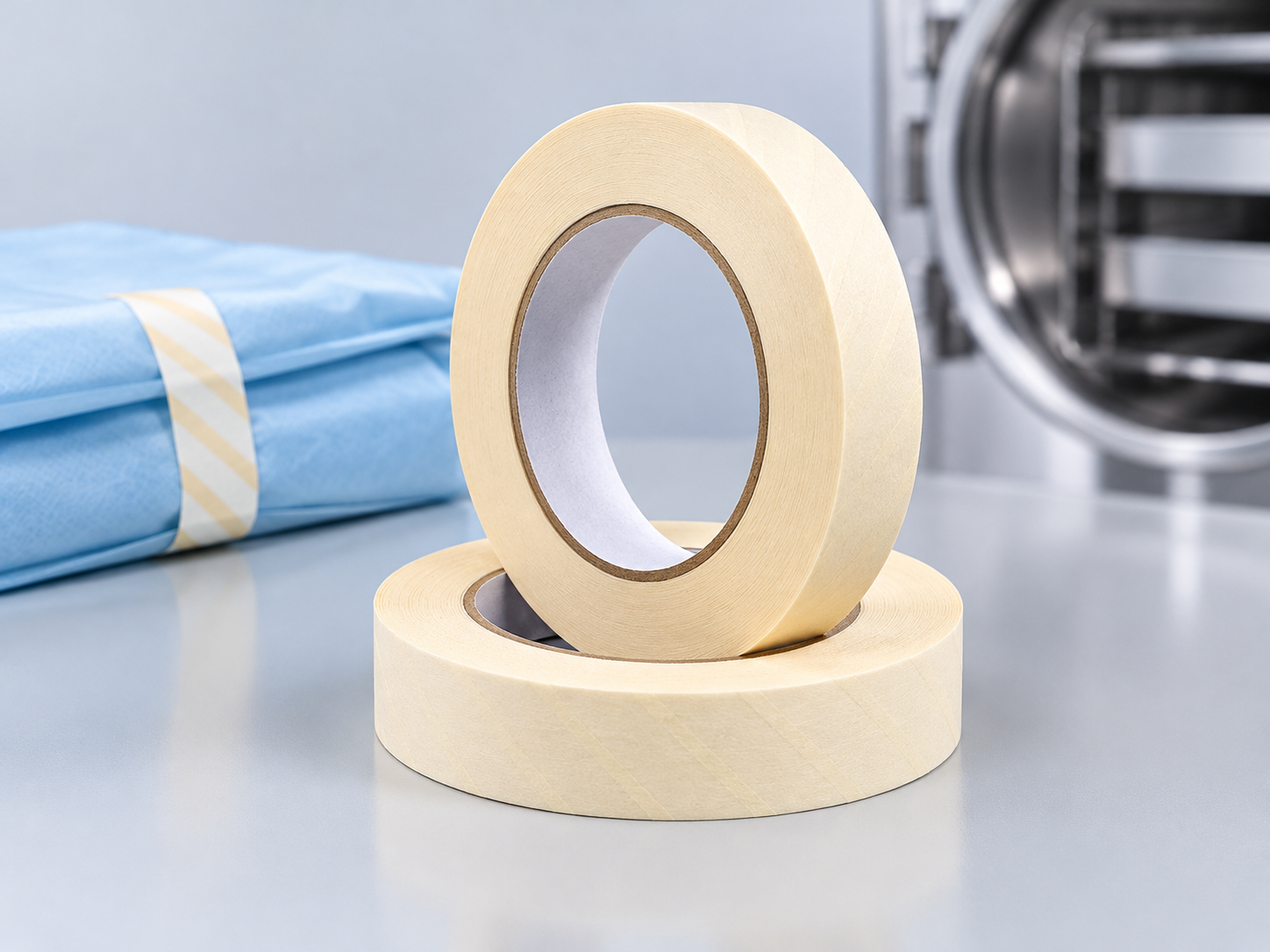
Adhesion strength describes how firmly the tape stays fixed to the surface of a wrapped instrument pack. The adhesive layer keeps the tape in place through ordinary handling and through the steam sterilization cycle itself. This holding power is separate from the chemical indicator's ability to change color when the correct process conditions are met. Both the adhesive performance and the readability of the indicator marks matter for the orderly movement of packs through a medical packaging workflow. A Indicator Tape product can serve this dual role when its adhesive and indicator properties match the packaging material and the sterilization method in use.
Importance of Reliable Adhesion During Steam Sterilization Cycles
Suitable adhesion helps keep the wrapped pack closed in the manner intended by the packaging system. The adhesive must remain effective under the temperature and moisture conditions of the intended steam cycle. Stable placement of the tape keeps the external process indicator visible for later review. Edges that lift or sections that detach create extra handling steps, make pack identification less certain, and interrupt the normal flow of work.
Consequences of Inadequate Adhesion on Processed Packs
Tape edges may begin to lift during ordinary handling or while the pack is inside the sterilizer. Portions of the tape can separate completely, leaving the pack without a clear external mark of process exposure. Wrinkling or incomplete contact can shift the position of the indicator markings and make them harder to read. Depending on the adhesive formulation and the surface, residue may remain after the tape is removed and require additional cleaning. Any detachment or unclear indicator result is assessed according to the facility's established procedures rather than taken as evidence that the pack has been successfully processed.
Variables That Influence How Well the Tape Stays Attached
Different wrap materials, papers and other approved packaging surfaces present different degrees of contact for the adhesive. Dust, residual moisture, oil or other surface contamination reduces the area available for bonding. Incorrect positioning, insufficient pressure during application or unsuitable tension can leave edges ready to lift. Temperature, moisture and the overall cycle parameters affect performance if the tape has not been formulated for those conditions. Improper storage or use beyond the stated shelf life can weaken the adhesive. Excessive rubbing, folding or pulling after the tape has been applied can disturb its placement.
Methods for Assessing Adhesion Performance Before Routine Use
Consistent attachment to the actual packaging materials in use is verified. Edges are observed to remain fixed during normal handling and through the specified sterilization cycle. Removal characteristics are checked to confirm that the tape can be taken off without leaving unacceptable residue or damaging the packaging surface. Indicator markings stay visible and can be interpreted according to the product instructions. Manufacturer specifications, described test methods and compatibility information are reviewed. Informal adhesion checks are never treated as a substitute for the facility's validated packaging and sterilization procedures.
Criteria for Selecting Tape with Adequate Holding Power
The tape is matched to the intended steam sterilization process and to the packaging system already in place. Consistency of adhesion, visibility of the indicator and ease of application are weighed together. Compatibility with the specific wrap or packaging material is confirmed. Product documentation is examined for operating conditions, storage requirements and shelf life. Roll dimensions and handling characteristics are considered against the facility's workflow. The intended use of the tape is verified against the facility's established procedures and applicable requirements.
Contribution of Stable Adhesion to Everyday Packaging Routines
Consistent placement of the tape allows processed packs to be identified at a glance. Fewer instances of lifting or detachment reduce interruptions during handling. Standardized application and visual inspection keep the routine predictable. Adhesion is only one aspect of overall tape performance; indicator response, packaging compatibility and correct use are equally necessary. Good adhesion and a visible color change do not by themselves establish that the contents of the pack are sterile.
Frequent Adhesion Difficulties and Corresponding Checks
When tape edges lift, packaging compatibility, surface condition, application technique and cycle suitability are examined. Complete detachment after processing prompts review of product instructions, storage conditions and whether the tape is appropriate for the cycle used. Adhesive residue is checked against removal guidance and surface compatibility. Inconsistent adhesion from pack to pack leads to standardization of application methods and investigation of differences in packaging materials or handling. Indicator markings that are hard to read are assessed against tape placement, product condition and interpretation instructions; unclear results are managed according to facility procedures.
Overview of Adhesion-Related Factors in Sterilization Packaging
| Factor Affecting Adhesion | Possible Result if Unaddressed | Practical Check |
|---|---|---|
| Packaging material surface | Weak or uneven contact | Confirm compatibility with actual wrap |
| Surface contamination | Reduced bonding area | Ensure clean, dry application surface |
| Application technique | Edges ready to lift | Apply with firm, even contact |
| Cycle conditions | Softening or loss of hold | Match tape to intended steam cycle |
| Storage and shelf life | Weakened adhesive | Observe storage conditions and expiry |
| Post-application handling | Disturbed placement | Avoid rubbing, folding or pulling |
| Indicator visibility | Unclear process identification | Keep markings fully visible and readable |
Selecting Tape That Supports Reliable Pack Identification
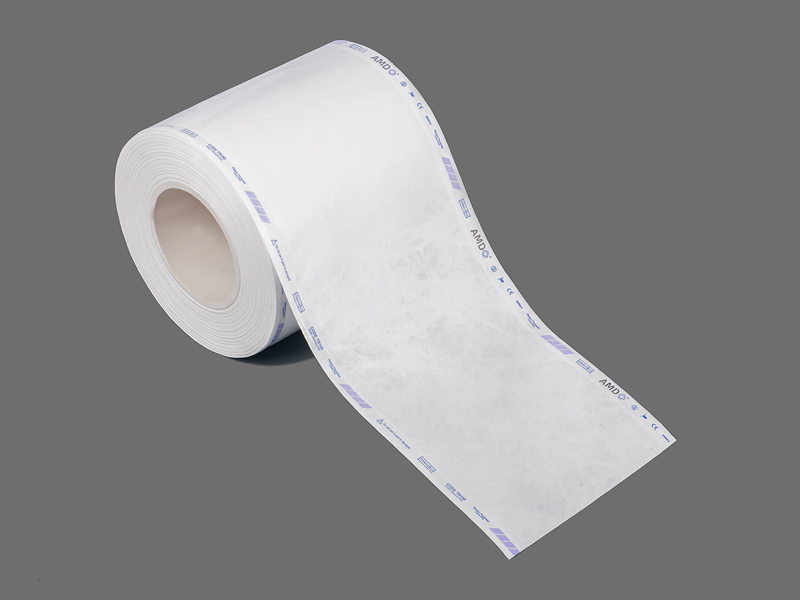
Suitable adhesion keeps the tape in place and supports clear identification of packs that have been through the intended process. Packaging compatibility, application technique, storage conditions and cycle suitability all influence how well the adhesive performs. Adhesion and color change remain process indicators only; they do not replace validated sterilization monitoring. Hopeway AMD B.V. produces sterilization indicator tape for medical packaging applications. Review of available adhesion characteristics, indicator response, packaging compatibility and storage requirements against the facility's actual packaging system allows selection of tape suited to routine clinical and processing needs.


 ‘s-Gravenweg 542, 3065SG RotterdamThe Netherlands
 +31 (0)10 254 28 08