
 English
 Français
 Deutsch
 Nederlands
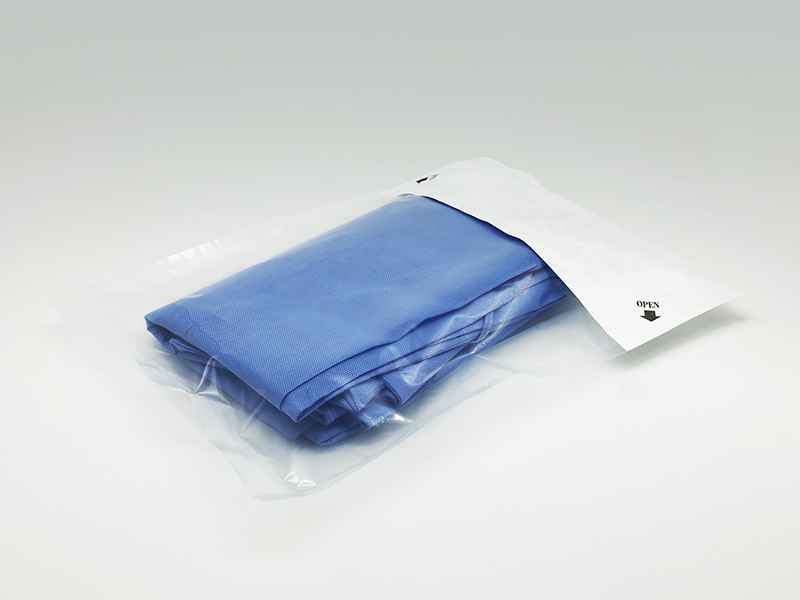
What is a Sterilization Self Sealing Pouch? This question often arises in clinics, laboratories, and care environments where infection control and orderly instrument handling matter every day. The concept refers to a purpose-designed packaging solution that allows tools and materials to be enclosed, processed, stored, and presented in a manner that supports cleanliness and workflow clarity. Rather than focusing on claims or rankings, it is more useful to explore how this type of packaging functions, why it exists, and where it fits into routine professional practice.
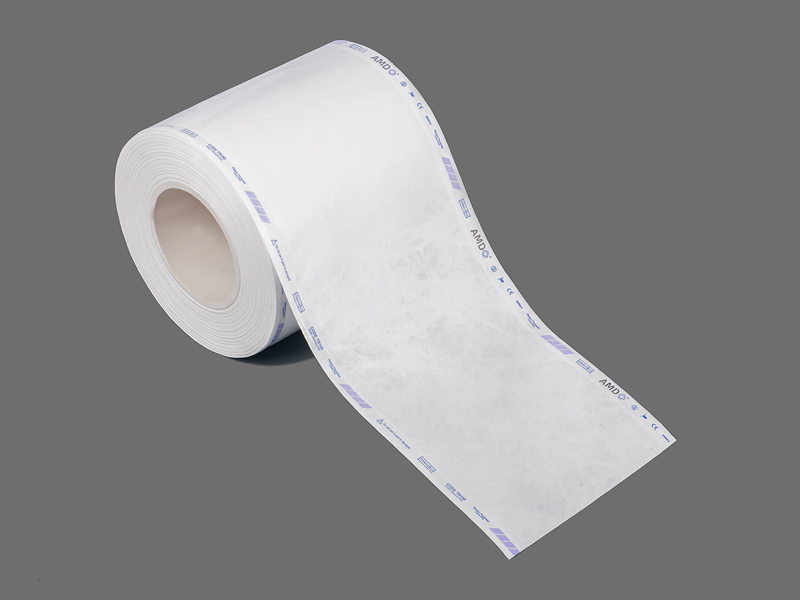
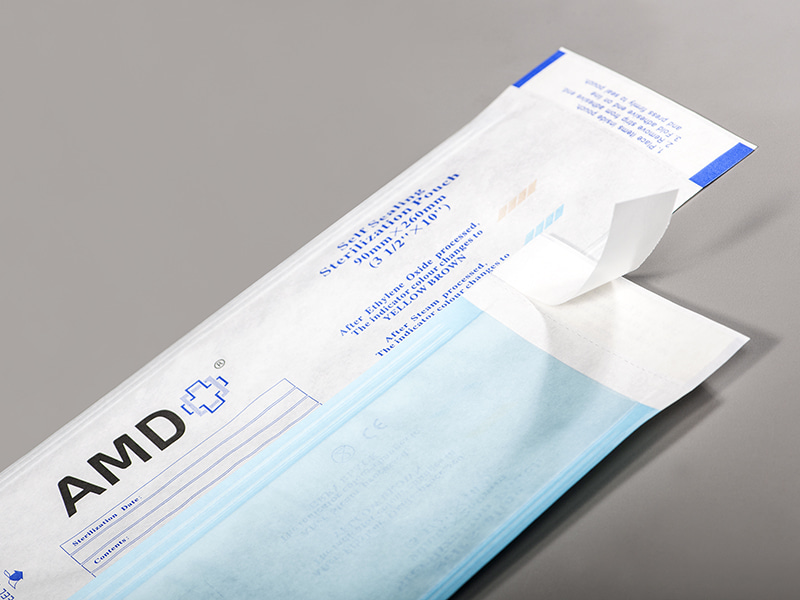
At its core, a self-sealing sterilization pouch is created to hold instruments during a cleaning and sterilization cycle without requiring additional sealing equipment. The closure system is integrated into the pouch itself, allowing staff to secure contents through a built-in adhesive or fold-over mechanism. This approach simplifies preparation steps and reduces handling, which can help maintain orderly processes in busy environments.
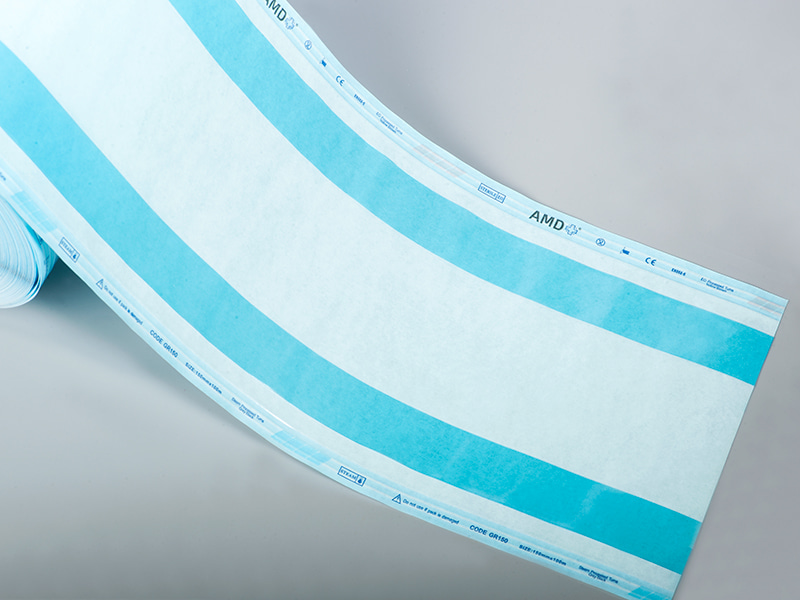
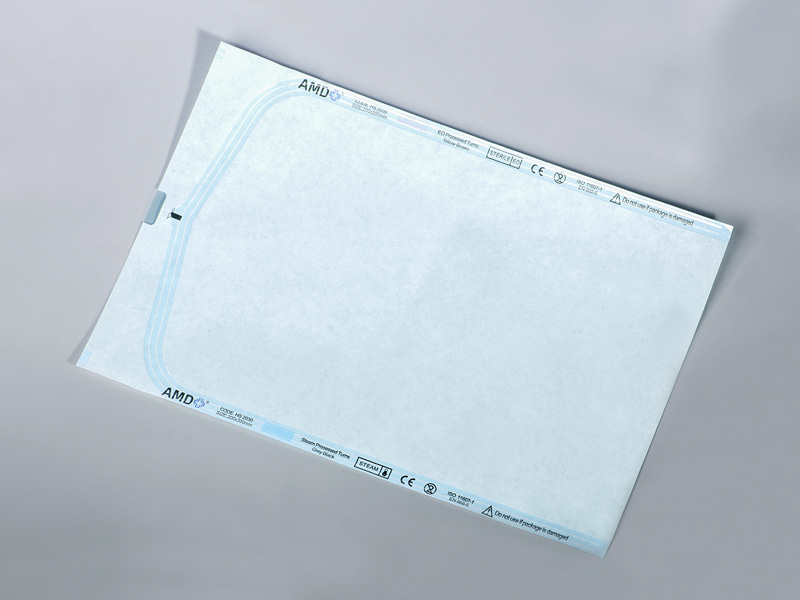
A defining feature of such packaging is the combination of materials used. Typically, a transparent side allows visual confirmation of the contents, while a breathable side permits sterilizing agents to pass through during processing. After sterilization, the same structure supports maintaining the sterile condition until the pouch is opened for use. This balance between access, visibility, and protection explains why these pouches are commonly seen across medical, dental, and laboratory settings.
Another important aspect is workflow efficiency. In facilities where instruments move through cleaning, packaging, sterilization, storage, and eventual use, clarity and consistency are valuable. Self-sealing pouches allow staff to package items quickly and uniformly. The integrated seal removes the need for separate sealing devices, which can simplify training and daily routines. When procedures are straightforward, teams can focus more attention on patient care and laboratory accuracy.
Sterilization pouches of this type are also designed with labeling and identification in mind. The surface often accommodates writing or labeling so that contents, dates, or department information can be noted. This supports traceability within internal processes, helping teams distinguish between different sets of tools without opening the package. Clear identification reduces unnecessary handling and supports organized storage practices.
From a hygiene perspective, the pouch plays a role before and after sterilization. Prior to processing, it keeps cleaned instruments together in a controlled enclosure. During sterilization, the material construction allows appropriate exposure while keeping items contained. Afterward, the sealed pouch helps protect the contents from environmental contact until the point of use. This continuous containment supports a structured approach to infection prevention without relying on complex steps.
Environmental considerations also come into discussion. While single-use packaging is common in healthcare settings due to hygiene requirements, thoughtful material selection and appropriate sizing can reduce waste. Choosing pouches that match the instrument load helps avoid unnecessary material use. Clear instructions for proper disposal further support responsible handling within facility guidelines.
Training and consistency are additional factors. Because self-sealing pouches are relatively intuitive, new staff members can learn correct usage with minimal complexity. Standardized packaging methods help ensure that instruments are prepared in the same way across shifts and departments. This consistency supports internal quality management and reduces the likelihood of confusion during high-pressure moments.
Content
Understanding the purpose
A self sealing sterilization pouch is designed to hold instruments during sterilization and storage. Its role is not only to contain items, but also to support identification, handling, and post sterilization management. When used properly, it becomes part of a wider system that values cleanliness, traceability, and procedural discipline.
Before use, it is helpful to see the pouch as more than packaging. It acts as a bridge between cleaning, sterilization, and later use. Each step along that path benefits from calm, methodical handling.
Preparing instruments before packaging
The process begins well before the pouch is opened. Instruments should be thoroughly cleaned and dried according to internal protocols. Residual moisture or debris can interfere with sterilization procedures and complicate later handling. Ensuring that items are fully prepared supports smoother workflow once packaging begins.
At this stage, visual inspection is useful. Check hinges, surfaces, and edges to confirm that instruments are ready for packaging. This habit not only supports sterilization processes, but also encourages accountability and consistency within the team.
Selecting the appropriate pouch
Choosing a pouch that fits the instruments comfortably is an important step. Items should rest flat without forcing or bending. Overcrowding can stress seals and make handling awkward, while an oversized pouch may reduce organization efficiency.
Lay the pouch on a clean surface and open it gently. Avoid touching the inner surfaces more than necessary, as mindful handling helps maintain cleanliness throughout the process.
Loading the pouch with care
Place the prepared instruments inside the pouch in a way that allows visibility and balance. Sharp edges should be oriented thoughtfully to reduce the risk of damage during handling. Instruments should not overlap excessively, as clear positioning supports easier inspection later.
Once loaded, take a moment to check alignment. This brief pause can prevent small issues from becoming larger ones during sealing or storage.
Sealing the pouch
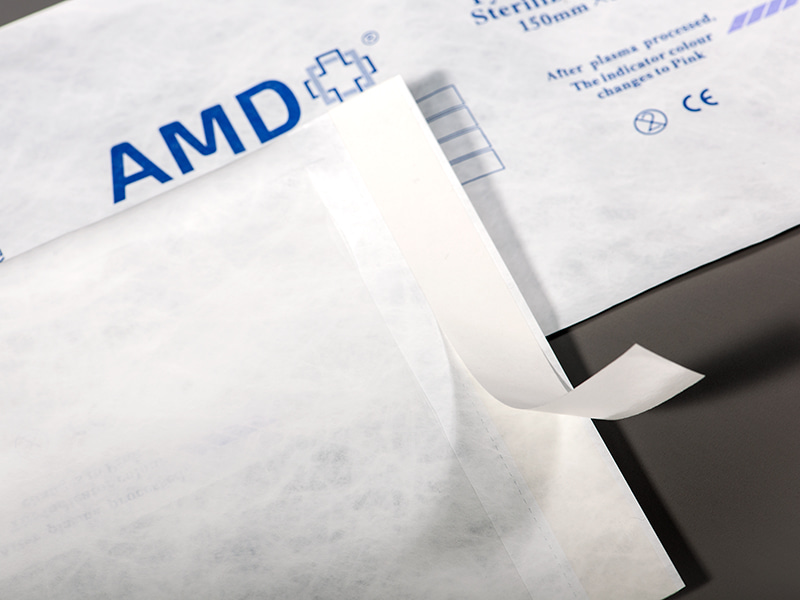
The self sealing feature allows closure without additional equipment. Remove the protective strip and fold the adhesive flap along the intended line. Apply steady, even pressure across the seal to ensure consistent adhesion.
It is helpful to smooth the seal from one side to the other, checking that there are no gaps or folds. This step does not require force, only attention. A well aligned seal supports smooth processing in later stages.
Labeling and identification
Clear labeling supports organization and traceability. Write necessary information in designated areas using appropriate markers, taking care not to damage the pouch material. Consistent labeling habits help teams recognize contents quickly and manage storage more efficiently.
Avoid placing writing too close to the seal or over critical viewing areas. Thoughtful placement keeps information readable without interfering with function.
During sterilization
Once sealed and labeled, the pouch can be placed according to established sterilization procedures. Positioning should allow proper exposure during the cycle. Avoid stacking in a way that compresses the pouch or obscures visibility.
After sterilization, allow pouches to cool and dry naturally before handling. This pause supports material stability and reduces the risk of accidental damage.
Post sterilization inspection
After the cycle, inspect each pouch carefully. Look for intact seals, clear visibility, and overall condition. Any pouch showing signs of compromise should be addressed according to internal guidelines.
This inspection step reinforces confidence before storage or distribution. It also encourages a culture of responsibility and shared standards.
Storage and handling
Store sterilized pouches in a clean, dry area where they are protected from unnecessary movement. Arrange them in a way that minimizes bending or pressure. Good storage habits extend the usefulness of the pouch and support orderly access when instruments are needed.
When retrieving a pouch, handle it gently and check the seal again before opening. Opening should be done in a controlled environment, following established practices.
Integrating into daily routines
Using a Sterilization Self Sealing Pouch effectively is less about speed and more about rhythm. When each step is performed with intention, the process becomes a natural part of daily routines. Teams often find that consistent methods reduce uncertainty and support smoother collaboration.
Brands such as Hopeway AMD are part of this broader workflow, providing tools that fit into professional environments where process clarity matters. The value lies in how thoughtfully the pouch is used within the system, rather than in any single step alone.
Introducing a reliable, straightforward packing routine can make daily operations more predictable and less error prone. Thoughtful preparation, careful sealing, consistent labeling, and routine checks integrate smoothly into existing workflows and help staff manage their time and attention.

 ‘s-Gravenweg 542, 3065SG RotterdamThe Netherlands
 +31 (0)10 254 28 08