

 English
 Français
 Deutsch
 Nederlands

Content
- 1 Packaging Needs Vary by Instrument Type
- 2 Matching Paper to Shape and Size
- 3 Strength for Handling, Storage and Transport
- 4 Surface Behaviour and Moisture-Related Properties
- 5 Fit with Sterilization Workflows
- 6 Wrapping Convenience and Day-to-Day Efficiency
- 7 Comparing Options Across Care Settings
- 8 Why Careful Selection Supports Ongoing Packaging Work
- 9 Selection Factors by Instrument Context
- 10 Practical Buying Points for Medical Packaging Teams
Packaging Needs Vary by Instrument Type
Medical instruments differ in length, mass, sharpness and whether they are packed alone or as a set. A small probe does not stress wrapping material the same way as a heavy tray or an instrument with pointed tips. Packaging material and wrap method should follow those differences rather than a single default sheet for every item.
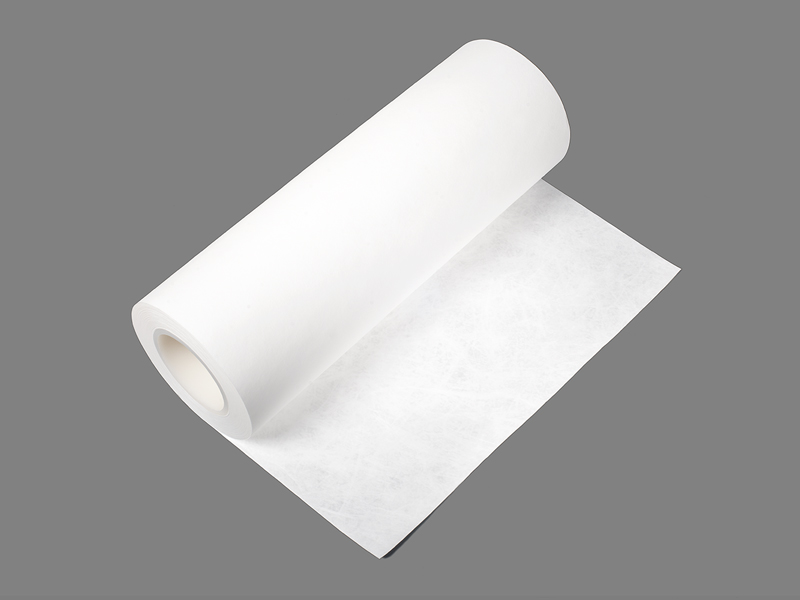
Shape, size, surface finish and how the item will be sterilized all influence the choice. Medical Crepe Paper is widely used as a wrap for instruments and trays when the grade is specified for that use. Selecting a suitable grade and format helps packaging teams match material to the mixed instrument list found in real preparation rooms.

Matching Paper to Shape and Size
Small tools need enough paper to achieve the required folds without excessive bulk that wastes material or complicates handling. Long instruments need length and a wrap sequence that covers ends without leaving thin spots. Larger trays need sheet or multi-sheet coverage that stays manageable for the staff who fold and tape or seal according to procedure.
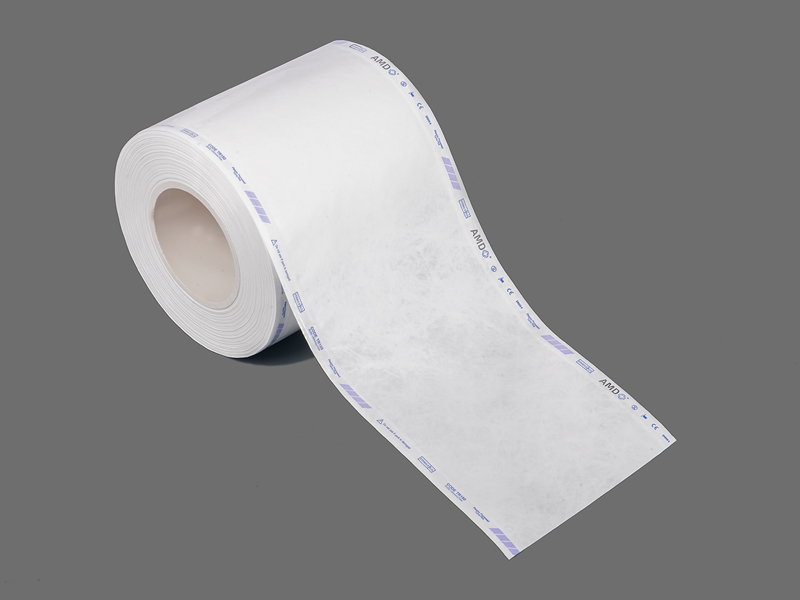
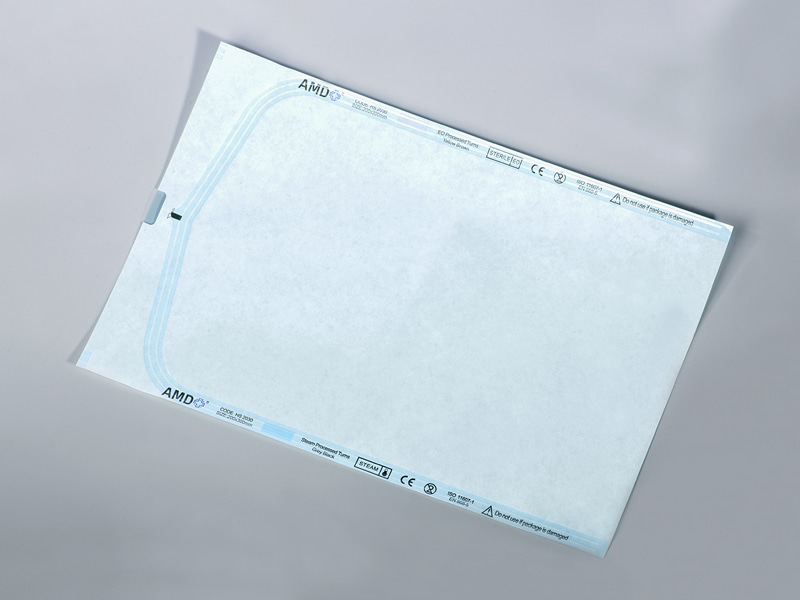
Crepe structure gives stretch and conformability so the paper can follow contours and stay snug after folding. Choosing sheet size or roll width that fits the dominant instrument sizes reduces awkward joins and re-wraps. Rolls and sheets both have a place depending on whether the workstation is set up for tear-off lengths or pre-cut stacks.
Strength for Handling, Storage and Transport
Wrapped packs are lifted, stacked, stored and moved before and after sterilization. Paper that tears at folds or at contact with an edge forces rework and can compromise the pack. Instruments with sharp corners or serrations need material that tolerates local stress during wrapping and later handling.
Tear resistance and general toughness should be judged against the heaviest and sharpest items in the set, not only against smooth light tools. A grade that survives routine handling supports consistent work through the day.
Surface Behaviour and Moisture-Related Properties
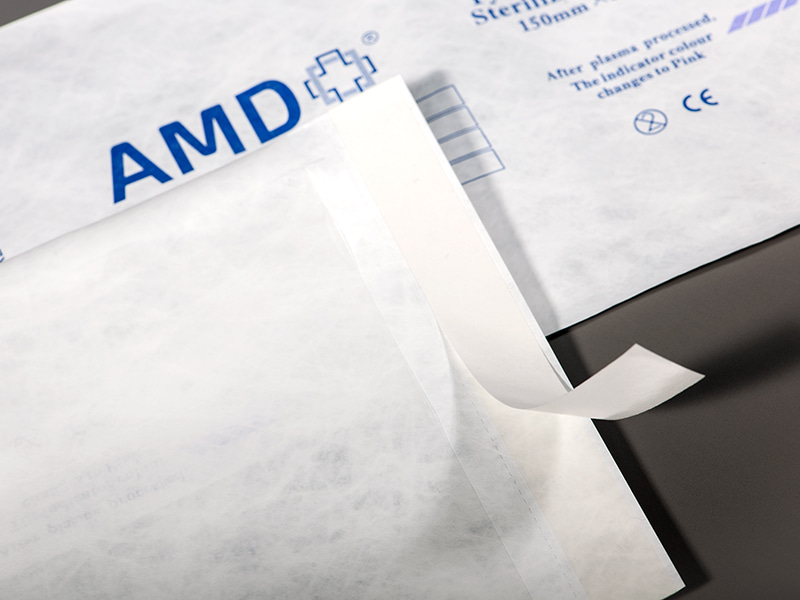
Surface texture affects how the paper grips during folding and how tape or indicators adhere when those are part of the method. Absorbency and response to moisture matter because preparation areas and sterilizer loading can expose packs to humid air. The right balance depends on the facility's process and storage conditions.
Different instruments and pack styles may call for slightly different surface characteristics. Evaluating those properties alongside strength and size keeps selection practical rather than purely visual.
Fit with Sterilization Workflows
Wrapping material must be compatible with the sterilization method in use. Steam, and other processes where allowed, impose different demands on permeability and material stability. Product documentation should be checked against the facility's validated methods before purchase and before change of grade.
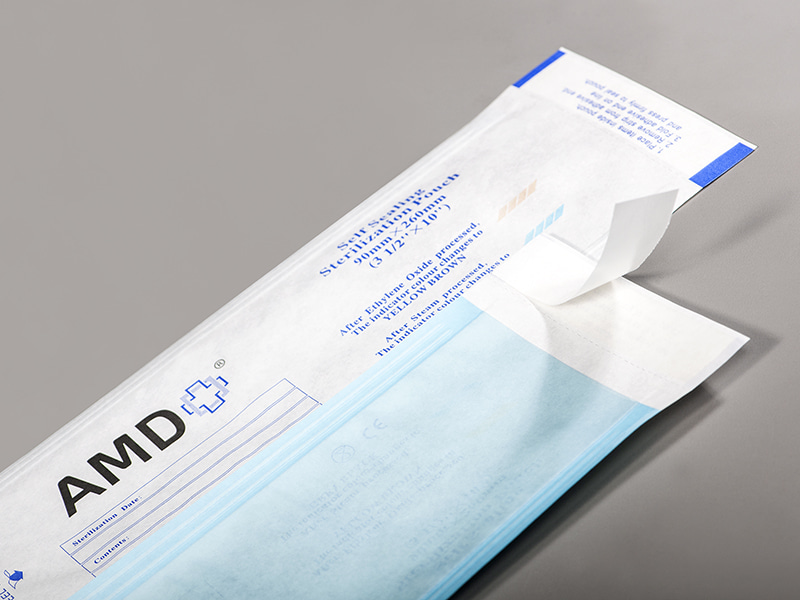
Material integrity after exposure, suitability for the pack configuration and correct use of chemical indicators where required belong in the same review. Crepe paper is one option among medical packaging materials; compatibility is confirmed by specification and local validation, not by assumption. Chinese Crepe Paper offerings aimed at medical use should still be verified against the same process requirements as any other source.
Wrapping Convenience and Day-to-Day Efficiency
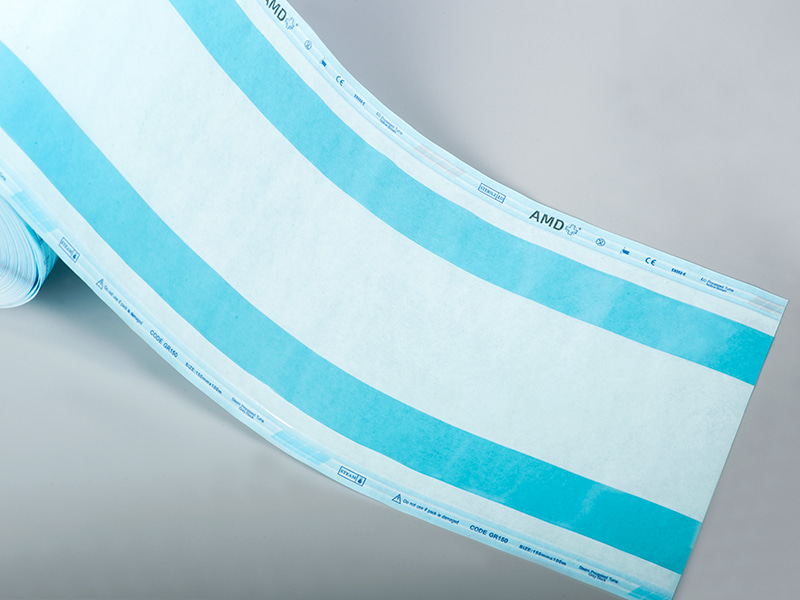
Flexible paper that folds without excessive spring-back speeds consistent wrapping. Single instruments and multi-item sets impose different fold patterns and time per pack. Formats that match the workflow—roll dispensers at the bench or stacked sheets for tray lines—reduce handling steps.
Repeatable material behaviour supports training and audit of packaging technique. When every roll or ream behaves similarly, staff spend less time compensating for soft or brittle batches.
Comparing Options Across Care Settings
Hospitals, clinics and central preparation units differ in instrument mix and daily volume. A site that mostly packs light sets has different priorities from one that routinely wraps heavy orthopaedic trays. Paper dimensions, strength, flexibility, surface properties and sterilization compatibility should be scored against that local mix.
Format choice (roll versus sheet), width and grade can be mixed in one storeroom when the inventory system keeps them distinct. Buyers who manage several departments often standardise on a small set of grades that cover the full instrument range rather than one universal product.
Why Careful Selection Supports Ongoing Packaging Work
Appropriate paper reduces failed wraps, edge strikes and confusion at the packing table. Consistency of supply, clear specifications and ease of handling matter when evaluating sources. A range that covers small tools through larger sets avoids constant exceptions.
Crepe Paper Rolls Bulk purchasing suits facilities with steady consumption and adequate dry storage. Custom widths or sheet sizes may help when standard formats waste material or slow folding. Distributors and procurement teams benefit from matching order units to real pack volumes and storage space.
Selection Factors by Instrument Context
| Instrument or pack context | Paper focus | Practical note |
|---|---|---|
| Small light tools | Adequate size, easy fold | Avoid oversized sheets that bulk the pack |
| Long or pointed instruments | Coverage of ends, resistance to puncture at tips | Extra care at corners during fold |
| Heavy trays and sets | Strength, multi-sheet technique as per procedure | Handling after sterilization also stresses paper |
| High-volume bench work | Roll format, consistent tear and fold | Dispenser placement affects speed |
| Mixed sterilization methods | Documented compatibility per method | Do not assume one grade suits every process |
| Storage and transport | Toughness when dry and as handled | Protect stock from moisture and crush |
Practical Buying Points for Medical Packaging Teams
Instrument variety drives the need for flexible, strong and process-compatible wrap material. Crepe Roll Paper formats support continuous bench work when width and grade fit the dominant packs. Hopeway AMD B.V. supplies medical packaging materials including crepe paper products for instrument preparation environments. Review of instrument mix, sterilization methods and wrapping procedures against paper specifications supports selection of crepe paper suited to daily medical instrument packaging needs.


 ‘s-Gravenweg 542, 3065SG RotterdamThe Netherlands
 +31 (0)10 254 28 08