
 English
 Français
 Deutsch
 Nederlands

Content
- 1 Why Storage Conditions Matter Before Packaging
- 2 Selecting a Suitable Storage Place
- 3 Temperature, Humidity and Movement Between Areas
- 4 Avoiding Physical Damage on the Shelf
- 5 Organisation and Handling Before Use
- 6 Inspection Before Medical Device Packaging
- 7 Preparation for Sterile Device Packaging Workflows
- 8 Material and Design Points Relevant to Selection
- 8.1 Exploring the Breathable Material Properties of Tyvek Packaging
- 8.2 How Peel Pouch Design Supports Convenient Medical Device Presentation
- 8.3 Combining Material Protection, Sealing Design and Practical Handling Requirements
- 8.4 Selecting Suitable Tyvek Sterilization Bags for Different Medical Packaging Applications
- 9 Storage and Handling Checklist
- 10 Keeping Sterilization Bags Fit for Use Until Packaging
Why Storage Conditions Matter Before Packaging
The Role of Storage Conditions in Maintaining Medical Packaging Quality
Sterilization bags are part of the controlled materials used around medical devices. How they are kept before opening affects cleanliness, seal surfaces and the condition of the porous sheet. Sound storage is a basic materials-management step, not an optional extra.
How Improper Storage May Affect Pouch Materials and Packaging Appearance
Damp air, dust, heat or rough handling can mark surfaces, soften cartons or crease seal areas. Damaged or soiled stock should not enter the packaging workflow. Prevention at the shelf is simpler than sorting defects at the packing table.
Why Storage Management Is Important Before Medical Device Packaging
Packaging areas rely on pouches that are ready to use: correct size, intact, and identifiable. Organised storage reduces mix-ups between specifications and shortens the path from shelf to sealer.
Selecting a Suitable Storage Place
Keeping Pouches in a Clean and Dry Storage Area
A dedicated clean, dry room or cupboard away from sinks, open windows and heavy foot traffic limits dirt and splash. Shelving should be easy to wipe and strong enough to hold cartons without sagging.
Avoiding Direct Sunlight, Excessive Heat and Moisture Exposure
Sunlight and heat sources can affect films, inks and adhesives over time. Moisture softens cartons and can encourage surface contamination. Storage away from radiators, autoclave exhaust and exterior walls that sweat reduces those risks.
Protecting Medical Packaging Materials from Dust and Environmental Contamination
Closed cupboards or covered bins help when the room is shared with other activities. Cartons should stay closed until stock is needed so that unused pouches are not left open on benches.
Temperature, Humidity and Movement Between Areas
Why Stable Environmental Conditions Matter for Packaging Stock
Large swings in temperature and humidity stress materials and packaging. Stable conditions support predictable handling when pouches are later sealed.
Preventing Moisture Exposure During Storage and Handling
Stock should not sit on cold floors where condensation forms. Hands and gloves should be dry when cartons are opened. Wet outer cartons should be addressed before inner packs are used.
Considering Environmental Changes When Moving Packaging Materials Between Areas
Moving cold stock into a warm, humid room can cause surface moisture. Allowing closed cartons to equalise before opening reduces that effect. Internal procedures should define how transfers are done.
Avoiding Physical Damage on the Shelf
Preventing Punctures, Tears and Surface Abrasion During Storage
Sharp edges, protruding screws on shelves and rough sliding of cartons can damage pouches. Liners or careful placement protect corners and faces.
Avoiding Excessive Pressure and Improper Stacking of Sterilization Bags
Over-stacking crushes lower cartons and can crease seal zones. Stack heights should respect carton strength and local safety rules. Heavier items should not rest on soft packaging packs.
Keeping Pouch Edges and Sealing Areas Protected from Damage
Seal surfaces need to be smooth and clean for later processing. Creased or folded edges from poor storage create weak points. Orientation in the carton as supplied by the manufacturer should be preserved where practical.
Organisation and Handling Before Use
Using Suitable Storage Containers to Keep Packaging Materials Organized
Clearly marked shelves or bins speed selection and support stock rotation. Opened cartons should be refolded or closed so remaining pouches stay protected.
Separating Different Pouch Sizes and Packaging Specifications
Sizes and styles stored apart reduce the chance of grabbing the wrong pouch at the packing station. Labels on shelves should match the product codes in use.
Following Proper Handling Procedures When Removing Pouches from Storage
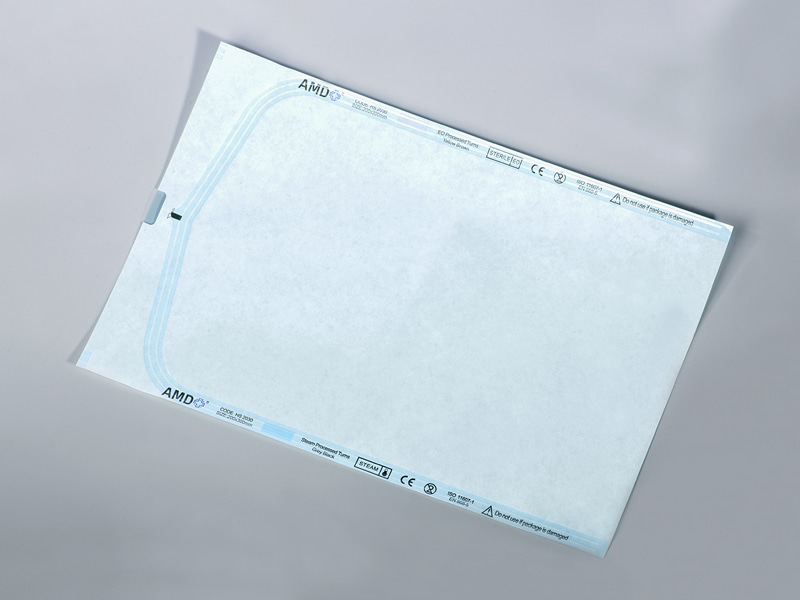
Only the quantity needed for the session should leave storage. Pouches should be carried in clean holders, not loose against uniforms or equipment. Tyvek Bags for Sterilization stock is handled as clean packaging material until it enters the formal packaging process.
Inspection Before Medical Device Packaging
Checking Pouch Surfaces for Tears, Holes and Visible Contamination
Each pouch used should be scanned for obvious defects. Compromised pieces are discarded according to site rules rather than taped or ignored.
Examining Peel Edges and Sealing Areas for Visible Defects
Peel and seal zones must be free of wrinkles, foreign matter and damage. Defects here affect both sealing and later opening.
Confirming Packaging Specifications and Product Identification Before Use
Size, type and lot identification should match the device packaging instruction. Sterilization Pouch Tyvek selections are confirmed against the device's packaging specification, not by memory alone.
Preparation for Sterile Device Packaging Workflows
Selecting Suitable Pouch Sizes for Different Medical Instruments
The pouch must allow the device to sit without forcing sharp points through the material and without excessive empty volume that hinders sterilant contact under the validated process. Fit is checked against the packaging procedure.
Matching Peel Pouches with Compatible Sealing Equipment
Sealers must be set and maintained for the pouch materials in use. Wrong temperature, pressure or dwell undermines the seal regardless of storage quality. Tyvek Peel Pouches are paired with sealers and settings approved in the facility's packaging validation.
Maintaining Appropriate Packaging Procedures Before the Sterilization Process
Clean technique, correct orientation and documented steps remain mandatory after good storage. Storage protects the pouch; it does not replace process control. Tyvek Pouches Medical Devices packaging still follows the site's written procedures through sealing and sterilizer loading.
Material and Design Points Relevant to Selection
Exploring the Breathable Material Properties of Tyvek Packaging
The porous sheet is chosen for processes that require a microbial barrier with gas or steam permeability as defined by the product's intended sterilization method. Storage should not block or contaminate that sheet.
How Peel Pouch Design Supports Convenient Medical Device Presentation
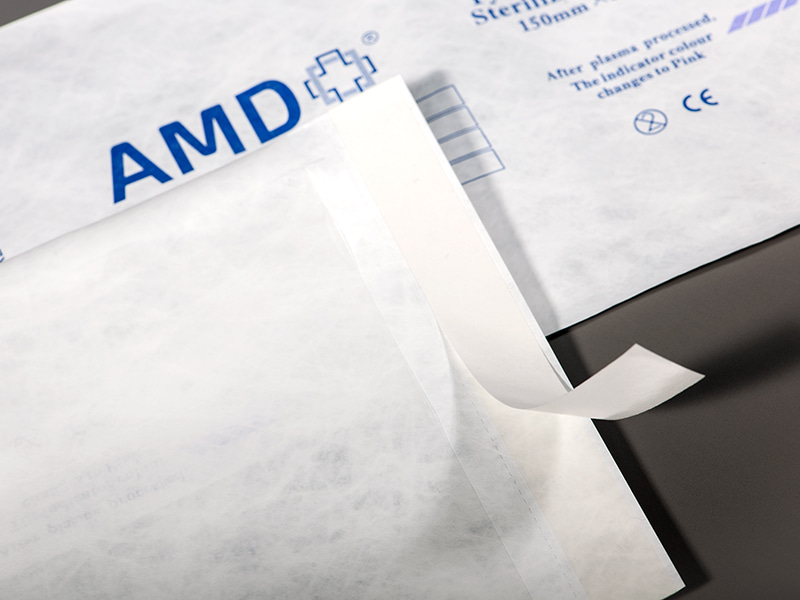
Peel designs allow controlled opening at the point of use when seals are intact. Damaged peel tabs from poor storage frustrate aseptic presentation.
Combining Material Protection, Sealing Design and Practical Handling Requirements
Good stock is intact, clean, correctly sized and compatible with the sealer. Storage, inspection and handling all serve that combination.
Selecting Suitable Tyvek Sterilization Bags for Different Medical Packaging Applications
Application, sterilization method, device geometry and sealer capability guide which bag style is stocked. Storage rules then keep that stock fit for use until the packaging step.
Storage and Handling Checklist
| Focus area | Practice | Purpose |
|---|---|---|
| Environment | Clean, dry, away from sun and heat | Limits moisture and material stress |
| Stacking | Moderate height, no crushing loads | Protects seal areas and carton integrity |
| Organisation | Size and type separated, cartons closed | Fewer mix-ups and less dust exposure |
| Transfer | Equalise closed stock when climate differs | Reduces condensation when opening |
| Inspection | Surfaces, edges, identity checked before use | Defective stock stays out of the process |
| Sealer match | Settings and pouch type approved together | Seals perform as validated |
Keeping Sterilization Bags Fit for Use Until Packaging
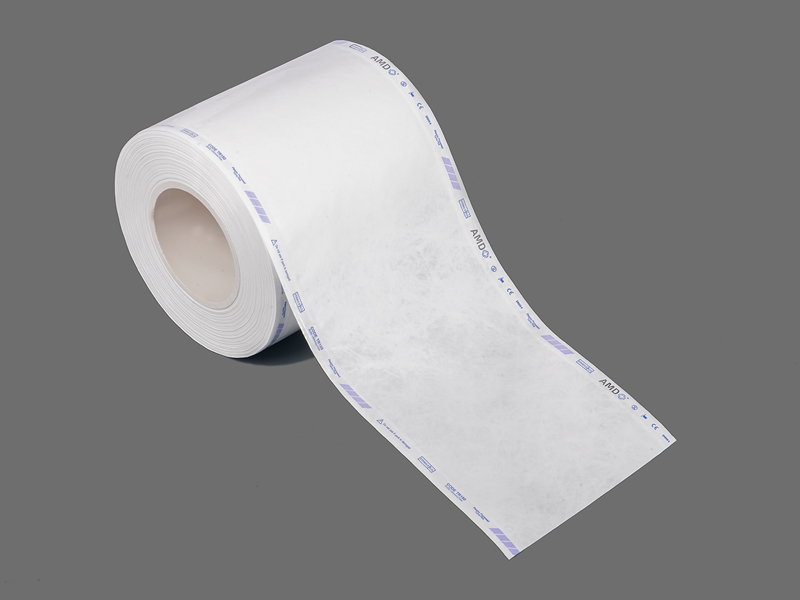
Tyvek sterilization bags remain suitable for medical packaging when they are stored clean and dry, protected from crushing and light, organised by type, inspected before use and matched to validated sealing and device procedures. Hopeway AMD B.V. supplies sterilization packaging materials for healthcare and related applications. Review of storage areas, handling rules and pouch specifications against facility packaging procedures supports consistent preparation of stock before device packaging and sterilization.
 ‘s-Gravenweg 542, 3065SG RotterdamThe Netherlands
 +31 (0)10 254 28 08