
 English
 Français
 Deutsch
 Nederlands
In many sterile processing areas, packaging is not treated as a background detail. It is part of the same chain as sterilization itself. If the packaging behaves unpredictably, everything after it becomes harder to trust.
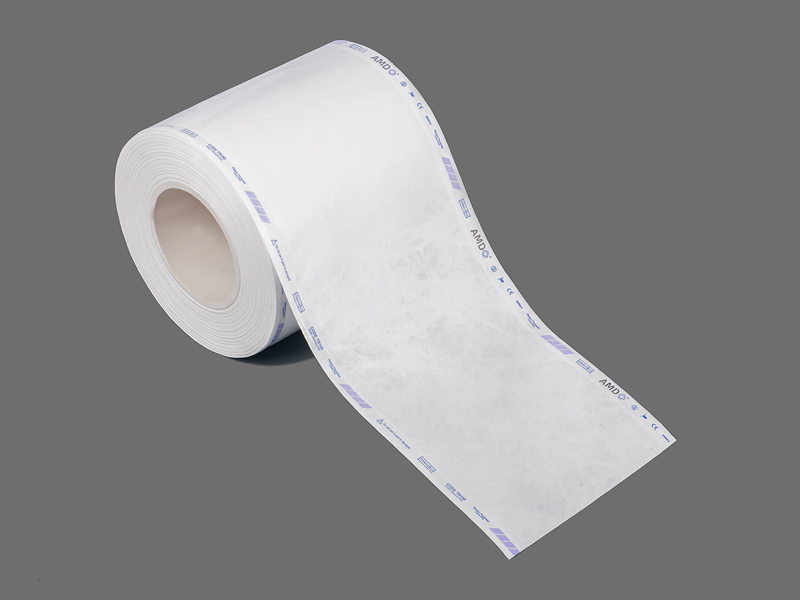
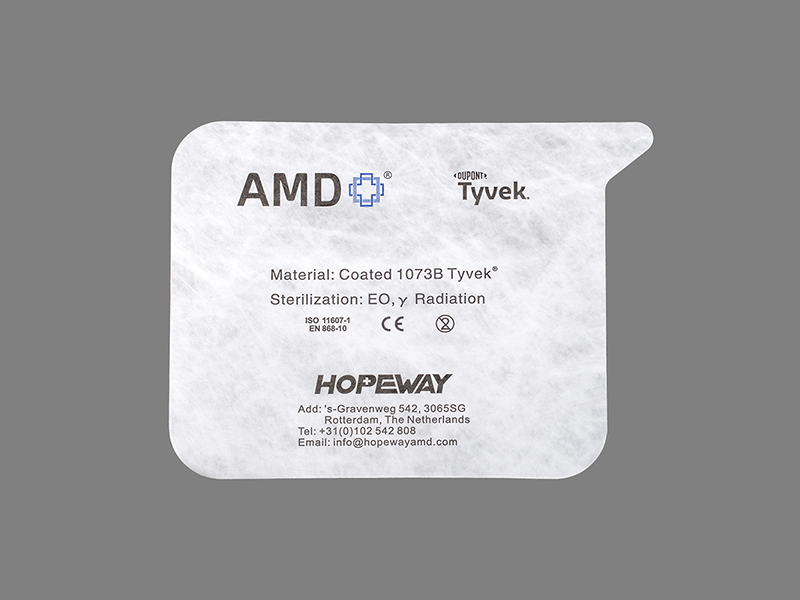
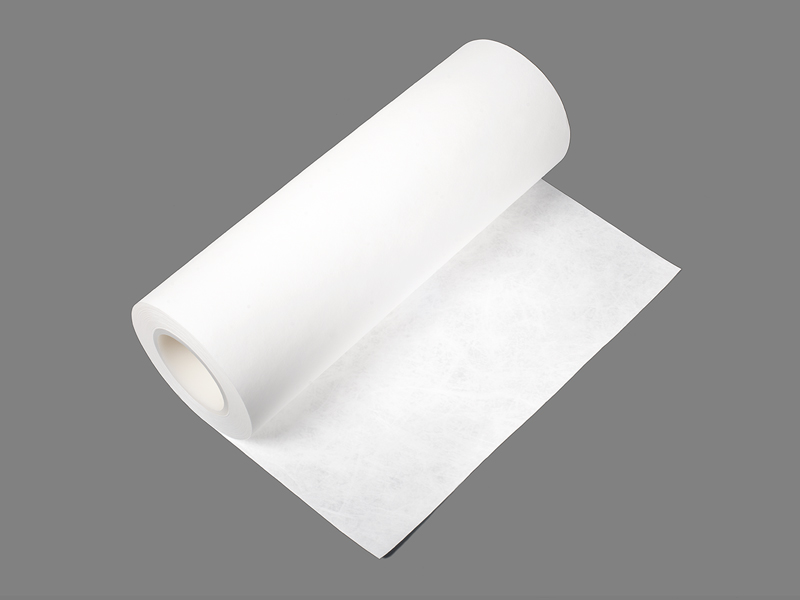
Tyvek roll stock is often mentioned in this context because it shows a certain stability when exposed to heat-based sterilization conditions. People working in packaging lines usually notice this not through theory, but through repeated handling and observation over time.
Content
- 1 What Tyvek roll stock actually means in daily use?
- 2 Why heat exposure is a real stress point for packaging?
- 3 How Tyvek behaves during the cycle?
- 4 Why sealing quality matters more than people expect?
- 5 Moisture and heat working together
- 6 Handling after sterilization is where problems usually appear
- 7 Flexibility is not just about softness
- 8 Why consistency matters more than single-cycle performance?
- 9 Where it fits in the actual workflow?
- 10 Why Tyvek roll stock is still widely used?
What Tyvek roll stock actually means in daily use?
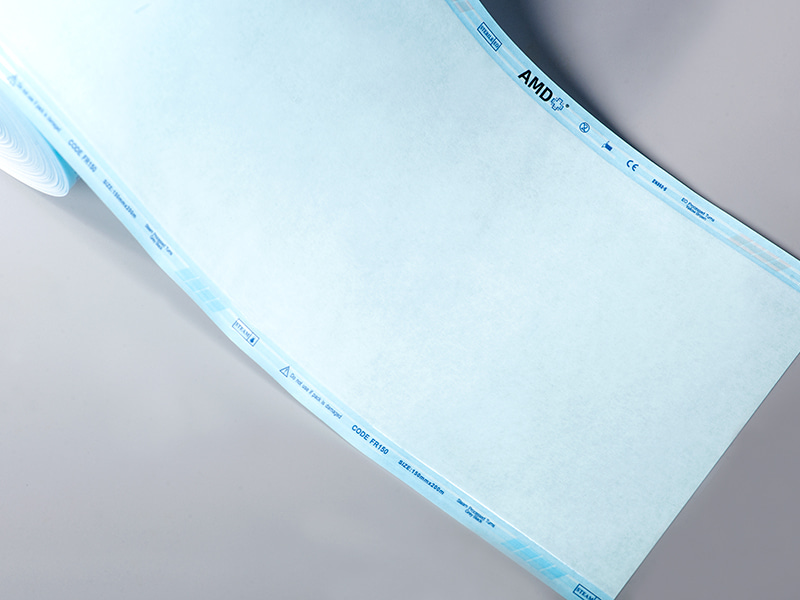
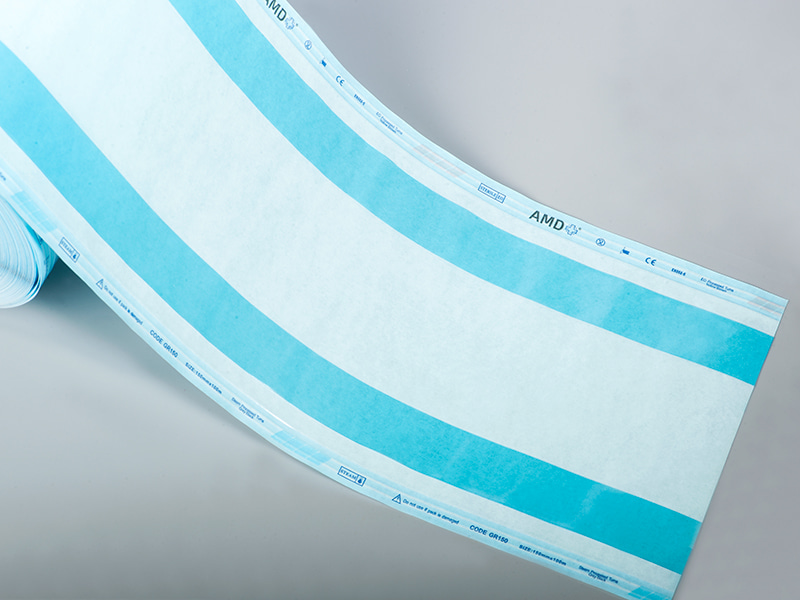
In real settings, Tyvek stock is not something abstract. It is a continuous material that gets cut, shaped, and sealed into pouches depending on what needs to be packed.
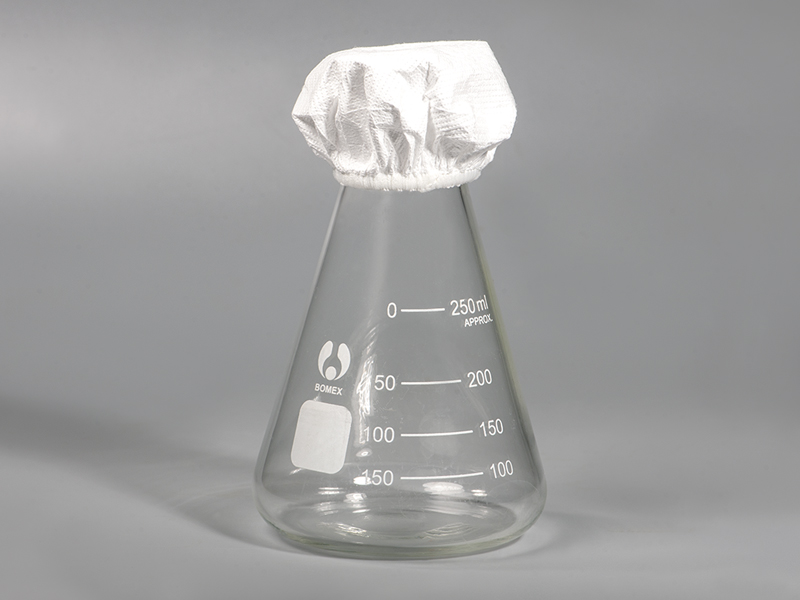
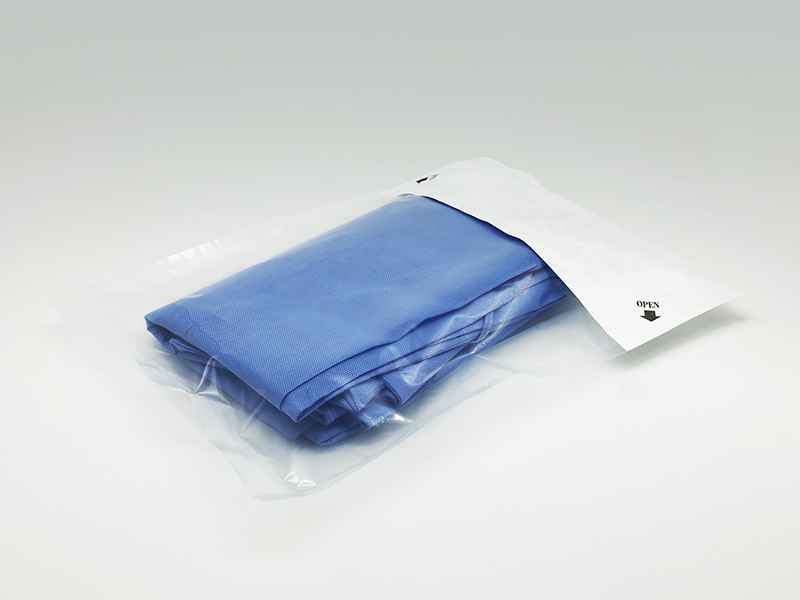
It is used for instruments, lab tools, and items that need to stay protected after sterilization.
What matters in practice is not the name of the material, but how it behaves when it moves through different steps:
- cutting into usable length
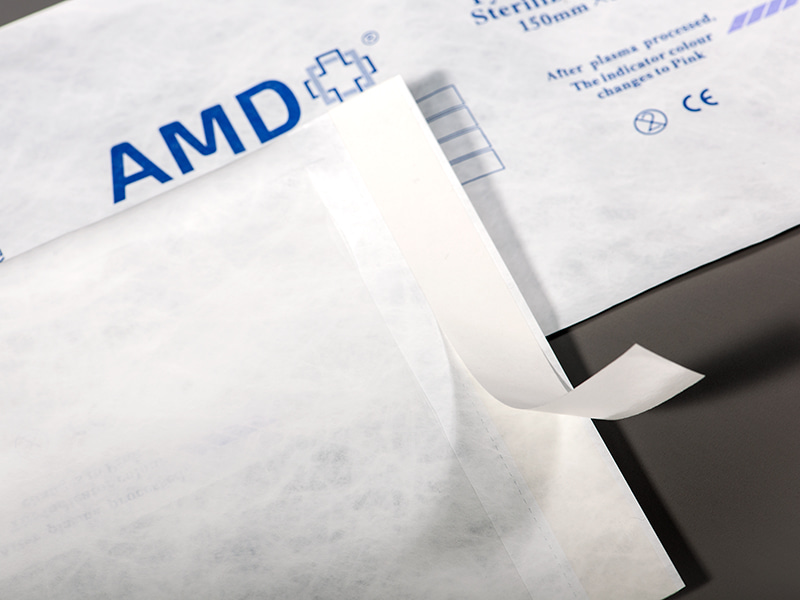
- forming into a pouch
- sealing before processing
- going through sterilization
- being handled again after cooling
Each step adds a bit of stress to the material, even if it looks simple from the outside.
Why heat exposure is a real stress point for packaging?
High-temperature sterilization is not a gentle environment. Even when controlled, it still involves heat, moisture, and pressure changes over time.
Packaging materials are expected to stay in place through all of that.
What usually gets tested in real operation is not just "does it survive heat", but:
- does it keep its shape after heating
- does the seal stay stable
- does the surface remain intact
- does it behave the same after cooling
If any of these shift too much, the packaging becomes less predictable in actual use.
How Tyvek behaves during the cycle?
From what is commonly observed in practice, Tyvek stock tends to stay structurally steady during the heating phase. It does not collapse or lose its basic form easily, which is important when items inside must stay undisturbed.
During the full cycle, it usually goes through a few visible stages:
At the beginning, it is flexible and easy to seal.
During heat exposure, it holds shape without obvious distortion.
After cooling, it returns to a stable state suitable for handling.
This kind of consistency is what makes it usable in repeated workflows.
Why sealing quality matters more than people expect?
Even if the material performs well, sealing is where real-world issues usually appear.
In practice, sealing is the point where everything is locked in. Once that step is done, the package enters the sterilization process as a closed system.
What people usually pay attention to is not just whether it is sealed, but how evenly it is sealed.
During heat exposure, a good seal should:
- stay closed without lifting
- keep edges stable
- avoid visible weakening after cooling
- remain consistent across batches
If sealing varies, the rest of the material performance becomes less relevant.
Moisture and heat working together
High-temperature sterilization is rarely just dry heat. Moisture is often part of the process, and that combination changes how packaging behaves.
Some materials react strongly to that environment, while others stay more stable.
Tyvek stock is generally used because it does not become overly soft or distorted when moisture is present. After the cycle, it tends to return to a usable condition without visible breakdown.
In daily operations, this matters because packaging is not discarded after sterilization. It is stored, moved, and handled again.
Handling after sterilization is where problems usually appear
Once items leave the sterilization stage, they are not immediately used. They are moved, stored, and sometimes checked multiple times before use.
This is where packaging gets tested again.
- What often matters at this stage is:
- whether the seal still feels secure
- whether the surface has changed appearance
- whether the pouch keeps its shape
- whether it can be handled without damage risk
Tyvek stock is used here because it usually stays stable enough to survive this "second round" of handling stress.
Flexibility is not just about softness
There is a common misunderstanding that flexible packaging is simply easier to work with. In reality, flexibility in sterile packaging is more about controlled movement.
If a material is too rigid, it becomes difficult to seal or form properly. If it is too weak, it may lose structure during processing.
Tyvek stock sits in a middle range where it can:
- adapt to different item sizes
- be sealed without excessive tension
- hold shape after forming
- avoid collapsing under normal handling
That balance is what makes it practical in real production lines.
Why consistency matters more than single-cycle performance?
One of the things operators notice over time is not how a material behaves once, but how it behaves repeatedly.
Sterile processing is not a one-off activity. It happens continuously, day after day.
So the real question becomes:
Does the material behave the same way every time?
With Tyvek stock, the expectation is stability across repeated cycles. That means:
- similar sealing behavior each time
- no gradual change in handling response
- predictable shape after sterilization
- consistent storage performance
Without that kind of repeatability, workflow becomes harder to manage.
Where it fits in the actual workflow?
In sterile environments, packaging sits between sterilization and use. It is not the starting point or the final step, but something that holds everything together in between.
A typical flow looks like this in practice:
instrument preparation → packaging → sealing → sterilization → cooling → storage → use
Tyvek stock is mainly responsible for keeping the "packaging → storage" part stable.
If that stage is weak, the rest of the process loses reliability.
Why Tyvek roll stock is still widely used?
Even with newer packaging options appearing in different industries, Tyvek stock continues to appear in sterile environments because it behaves in a predictable way under heat-based sterilization conditions.
Not because it is labeled as advanced, but because in repeated use it tends to stay consistent enough for daily workflow.
In environments where repetition matters more than novelty, that kind of stability is usually what keeps a material in use.
 ‘s-Gravenweg 542, 3065SG RotterdamThe Netherlands
 +31 (0)10 254 28 08