
 English
 Français
 Deutsch
 Nederlands
Sterilization is not simply about putting medical or laboratory items into a sterilization unit and waiting for the process to finish. A complete workflow also needs a practical way to monitor what happens during processing. This is where Autoclave Indicators become useful.
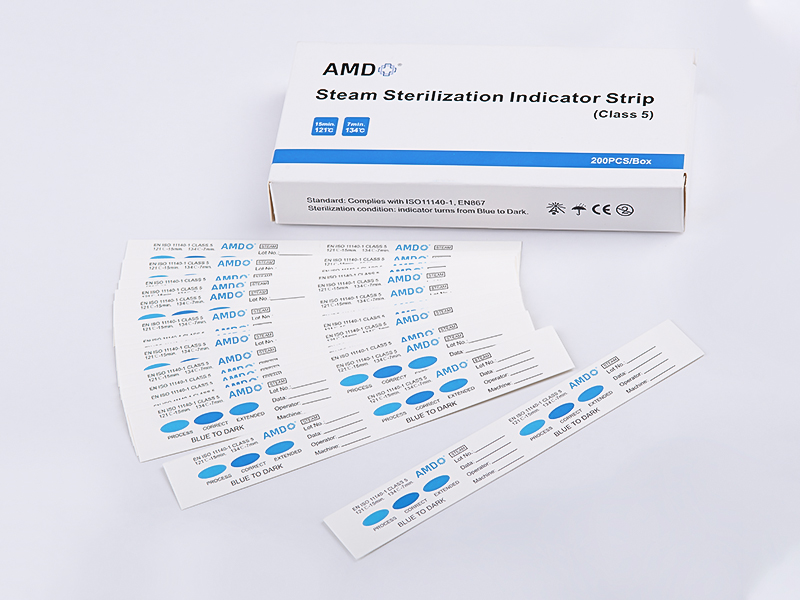
An autoclave indicator is designed to provide a visible indication associated with a steam sterilization process. It can be used on or with sterilization packaging, allowing staff to identify whether an item has been exposed to the intended processing environment.
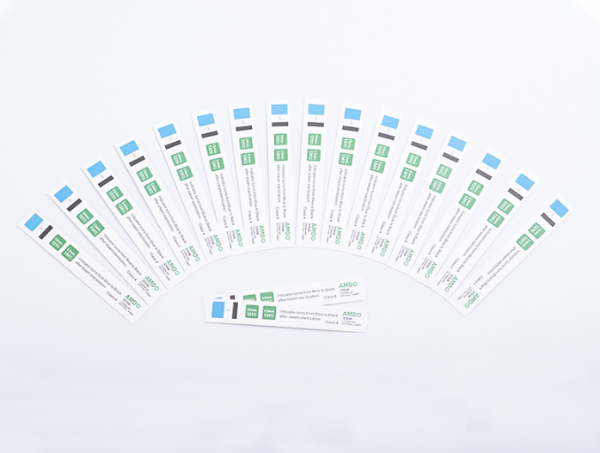
The role of an indicator may seem small compared with the equipment used for sterilization. In daily operations, however, simple visual information can make workflows easier to organize. It can also help staff distinguish processed items from those that still require attention.
As healthcare facilities, laboratories, and other professional environments continue to focus on organized sterilization practices, indicator products remain an important part of the overall process.
Content
- 1 What Is an Autoclave Indicator Used For?
- 2 How Does an Autoclave Indicator Support Sterilization Monitoring?
- 3 Why Is Clear Visual Information Important in Sterilization Workflows?
- 4 How Do Autoclave Indicators Work With Sterilization Pouches?
- 5 What Should Buyers Consider When Choosing an Autoclave Indicator?
- 6 How Can Manufacturers Make Autoclave Indicators Easier to Use?
- 7 Could Autoclave Indicators Support More Organized Sterilization Areas?
- 8 What Role Will Autoclave Indicators Play in Modern Sterilization Packaging?
What Is an Autoclave Indicator Used For?
An autoclave indicator is generally used to provide a visible change after exposure to a steam sterilization process. The change helps users recognize that the item or package has gone through a designated processing condition.
This does not mean that the indicator replaces the sterilization process itself. Instead, it provides an additional form of process information. It works as part of a wider monitoring approach.
This distinction matters because sterilization involves several steps. Items need to be prepared, packaged, processed, handled, and stored in an organized way. An indicator can support communication between these stages by making the status of processed materials easier to recognize.
For example, a sterilization pouch may contain an item that looks almost the same before and after processing. Without a visible indication, staff may need to rely on labels, records, or other handling procedures to identify its status. An indicator can add another visual reference.
The basic role can be viewed from several angles:
| Application Area | Role of an Autoclave Indicator |
|---|---|
| Sterilization Processing | Provides a visible indication related to processing exposure |
| Sterilization Packaging | Helps identify processed packages |
| Workplace Organization | Supports clearer handling and sorting |
| Record Management | Can provide an additional visual reference |
| Daily Operations | Makes package status easier to recognize |
The value of this approach comes from simplicity. Staff do not always need another complicated step. A clear visual indication can fit naturally into an existing workflow.
How Does an Autoclave Indicator Support Sterilization Monitoring?
Monitoring is an important part of any organized sterilization workflow. People need to know what has been processed and how items should be handled afterward.
An autoclave indicator can support this process by providing a visible response associated with the sterilization cycle. The change gives staff a practical reference when handling processed materials.
This can be particularly useful when many packages are processed during normal operations. Without clear visual information, processed and unprocessed packages may be harder to distinguish. That can create unnecessary confusion during storage or preparation.
An indicator also creates a connection between the sterilization stage and the packaging stage. Instead of treating packaging as a separate activity, facilities can consider how the package, indicator, handling process, and storage procedure work together.
The monitoring process can therefore be understood through several simple questions:
Has the package entered the sterilization process?
The package needs to be considered within the overall processing workflow.
Has it been exposed to the intended processing environment?
The indicator provides a visible response associated with the processing conditions.
Can staff recognize its status visually?
A clear indication can make routine package identification easier.
Can processed and unprocessed items be handled separately?
Visible status information can support clearer sorting and handling.
Does the indicator fit naturally into the existing workflow?
The product should work as part of normal preparation, processing, and storage practices.
These questions show why an autoclave indicator is more than a small marking on a package. It can become part of the communication system within a sterilization area.
At the same time, users need to understand what an indicator can and cannot show. A visible indicator response should not be treated as the only basis for judging the overall effectiveness of a sterilization process. Other monitoring practices remain relevant.
Why Is Clear Visual Information Important in Sterilization Workflows?
Modern sterilization areas often handle many items at different stages. Some packages may be waiting for processing. Others may already have completed the process. Some may be ready for storage or further use.
This creates a simple but important challenge: status needs to be easy to recognize.
Clear visual information can reduce unnecessary handling. Staff can identify packages more easily without opening them or relying entirely on memory. This can make routine work more organized.
Visual indicators may also help when different people share the same work area. A package processed by one employee may later be handled by another. A visible change provides a common reference that does not depend on personal knowledge of the previous step.
This is particularly useful in environments where workflow consistency matters.
Consider the difference between these two situations:
| Without Clear Indication | With Clear Indication |
|---|---|
| Staff may need to check additional records | Package status may be easier to recognize |
| Processed and unprocessed items can look similar | Visual differences can support sorting |
| Handling may require more communication | Status can be communicated visually |
| Storage organization may become more complicated | Processed packages can be easier to organize |
The indicator itself is only one part of the system. Its usefulness depends on how the facility incorporates it into daily procedures.
How Do Autoclave Indicators Work With Sterilization Pouches?
Sterilization pouches are widely used to contain items during processing and handling. An indicator can be incorporated into or used alongside this type of packaging to provide visible process information.
The relationship between the pouch and the indicator is important because packaging has several functions. It needs to hold the item, support processing, and allow appropriate handling after the cycle.
A visible indicator can make the transition between these stages easier to recognize.
For staff, this may mean checking the outside of a package rather than opening it simply to determine whether it has gone through processing. The package can remain closed while its processing status is reviewed.
This also makes indicator placement worth considering. The indicator should be easy for staff to notice during normal handling. If it is hidden, difficult to read, or inconsistent with the surrounding packaging, its practical value may be reduced.
Packaging design and indicator use can therefore be considered together.
| Packaging Consideration | Why It Matters |
|---|---|
| Indicator Visibility | Helps staff recognize the status of the package |
| Placement | Supports convenient checking during handling |
| Package Identification | Helps connect process information with the individual package |
| Storage | Allows processed items to be organized more easily |
| Daily Handling | Supports simple status checks without unnecessary opening |
Different workplaces may have different packaging habits. The indicator should fit the way materials are prepared, processed, moved, and stored.
What Should Buyers Consider When Choosing an Autoclave Indicator?
For buyers, selecting an autoclave indicator is not only about looking at the product itself. The surrounding workflow matters as well.
A hospital department, laboratory, medical packaging operation, or other professional setting may have different handling needs. The product should fit the intended application and the way staff already work.
Visibility is one practical consideration. If the indication is difficult to recognize, staff may not receive much benefit from using it. A clear visual response can make routine checking more straightforward.
Compatibility with packaging is another point. An indicator used with sterilization pouches should fit the package format and handling process. Buyers may also consider how the product is stored before use and how easily staff can integrate it into normal procedures.
Several questions can help organize the purchasing process:
Where will the indicator be used?
Understanding the application connects product selection with the intended workflow.
What type of packaging will be used?
The packaging format can help determine whether the indicator fits the package.
How will staff check the indication?
The checking process should be practical for normal day-to-day use.
Is the indication easy to recognize?
A visible response can help reduce confusion during routine handling.
How will products be stored?
Storage arrangements can influence how easily indicator products are organized before use.
Does the supplier provide clear product information?
A Autoclave Indicator Supplier should provide information that helps buyers understand appropriate product use.
The purchasing decision should also consider the difference between marketing language and actual product information. Buyers can review instructions, application guidance, packaging information, and quality documentation before making a decision.
For professional users, straightforward information is often more useful than broad product claims.
How Can Manufacturers Make Autoclave Indicators Easier to Use?
Manufacturers have several areas to consider when developing autoclave indicators. The goal is not simply to create a visible change. The product also needs to work naturally within real working environments.
Ease of recognition is an important part of the user experience. Staff may handle many packages during a normal shift, so the indication should be easy to understand when viewed as part of the package.
Packaging compatibility is another consideration. Indicators may be used with different types of sterilization packaging, so manufacturers need to think about how the product fits into practical workflows.
Instructions also matter. Even a simple product benefits from clear guidance. Users should understand how the indicator is intended to be used, what its visible change represents, and what it does not establish.
Manufacturing decisions can therefore involve several areas:
- Product visibility
- Packaging integration
- Clear instructions
- Consistent appearance
- Convenient handling
- Suitable storage
- Clear product identification
These details may seem minor individually. Together, they influence whether the product feels natural to use.
Manufacturers also need to communicate carefully. An autoclave indicator should not be presented as a replacement for an entire sterilization monitoring system. Clear product descriptions help users develop realistic expectations.
Could Autoclave Indicators Support More Organized Sterilization Areas?
Sterilization is closely connected with organization. Items move through different stages, and each stage needs clear handling practices.
An indicator can support this structure by giving packages a visible status reference. This may be especially useful when items are moved between preparation areas, sterilization equipment, storage locations, and points of use.
A simple visual system can also support staff communication. Instead of asking whether a particular package has been processed, employees may be able to check its visible indication as part of their normal workflow.
This does not remove the need for procedures or records. Rather, it adds another practical layer of information.
The indicator connects naturally with the middle stages of this process. It helps make the transition from processing to handling more visible.
Organization can also influence storage. If processed packages are clearly identified, they may be easier to separate from materials that are waiting for processing. This can help reduce unnecessary movement and repeated checking.
The actual value depends on how the facility manages its complete workflow. An indicator works most effectively when it is included in a clear and consistent handling system.
What Role Will Autoclave Indicators Play in Modern Sterilization Packaging?
Sterilization packaging continues to develop as users look for ways to make handling more convenient and organized. Within this environment, indicators remain closely connected with the need for visible process information.
The trend is not simply about adding more features to packaging. It is also about making existing processes easier to understand.
An autoclave indicator can contribute to this direction by creating a visible link between processing and packaging. When staff can recognize the status of a package without opening it, the package becomes more informative during routine handling.
This can matter across different professional settings. Medical facilities may use indicators as part of their sterilization workflows. Laboratories may also need clear status identification for processed materials. Manufacturers of sterilization packaging can consider indicator integration when developing products for different applications.
Future product development may therefore focus on practical questions rather than complicated features.
A clear visual response can make routine checking more straightforward.
The indicator should fit the way packages are prepared, processed, and handled.
Simple communication can support a more organized workflow.
These questions place the autoclave indicator in a broader context. It is a relatively small component, but it can contribute to how sterilization information moves from the processing stage to the people responsible for handling the finished package.
As sterilization workflows become more organized, clear communication between each stage remains important. An autoclave indicator provides one simple way to make that communication visible.









 ‘s-Gravenweg 542, 3065SG RotterdamThe Netherlands
 +31 (0)10 254 28 08