
 English
 Français
 Deutsch
 Nederlands
Medical instrument handling involves many small steps. Instruments need to be prepared, packaged, sterilized, stored, moved, and eventually opened for use. Each step connects with the next.The packaging used during this process can influence how easily staff manage those steps.
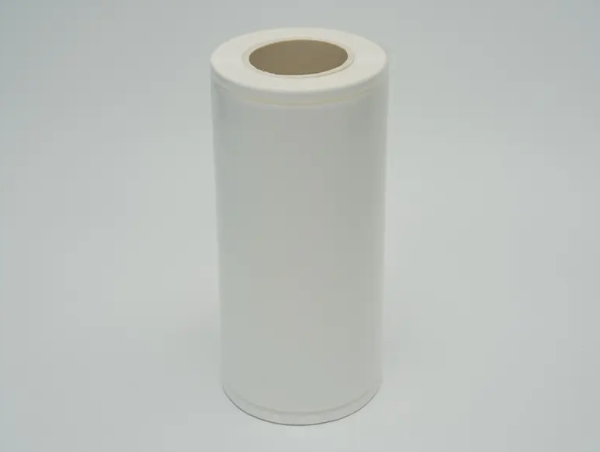
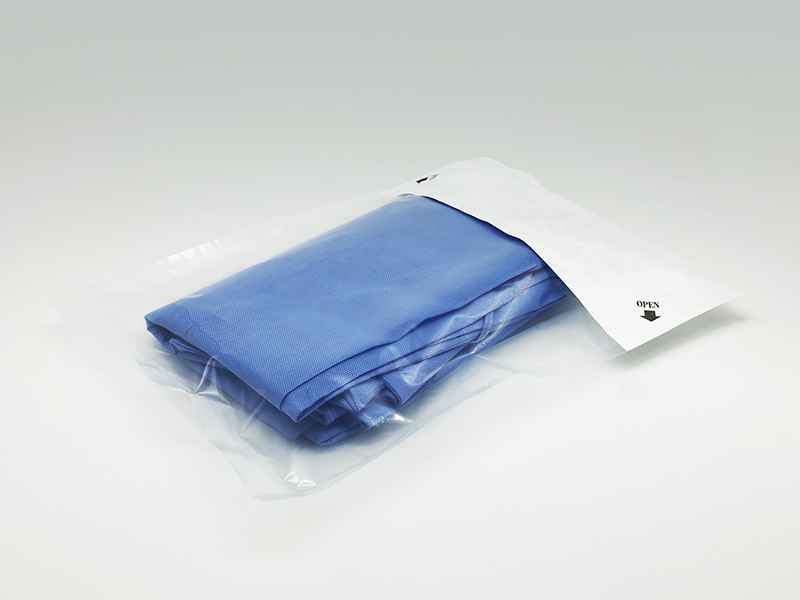
Tyvek Autoclave packaging is often associated with sterilization, but its role can extend beyond the sterilization stage. The package also becomes a way to identify, separate, move, and store instruments before they are needed.
In a busy medical environment, organization matters. Staff may handle many packaged instruments during the same working period. They need to recognize what each package contains and know where it belongs.
A well-designed package can support this workflow without adding unnecessary complexity.
Content
- 1 How Can Packaging Influence Instrument Handling?
- 2 Could Clear Identification Make Daily Work Easier?
- 3 Why Does Package Design Matter During Storage?
- 4 Can Consistent Packaging Improve Instrument Organization?
- 5 How Does Packaging Affect Movement Between Different Areas?
- 6 Could Better Handling Support More Organized Clinical Workflows?
- 7 What Should Buyers Consider When Choosing Tyvek Autoclave Packaging?
- 8 Why Is Ease of Use Becoming More Important in Medical Packaging?
- 9 Could Tyvek Autoclave Packaging Become Part of a More Organized Storage System?
How Can Packaging Influence Instrument Handling?
Instrument handling does not happen in one place.
An instrument may begin in a preparation area and later move to a sterilization area. After processing, it may be transferred to storage. From there, staff may move it to a treatment room or another working area.
The package travels with the instrument through these stages.
This gives packaging a practical role in everyday organization. A clear and manageable package can make the instrument easier to recognize and handle.
The package can also create separation between individual instruments or instrument groups. Instead of placing processed items together without clear identification, staff can manage them as separate packaged units.
This can make routine handling more straightforward.
| Handling Stage | Possible Role of Tyvek Autoclave Packaging |
|---|---|
| Preparation | Helps organize instruments before processing |
| Sterilization | Provides packaging for the intended sterilization process |
| Storage | Helps separate and identify packaged instruments |
| Transport | Makes individual items easier to move |
| Preparation for Use | Helps staff recognize the required package |
| Opening | Provides a defined package for instrument access |
The packaging does not replace good medical procedures. It supports them by giving instruments a consistent form during different stages of handling.
That consistency can be useful when many items are being managed at the same time.
Could Clear Identification Make Daily Work Easier?
Imagine a storage area containing many similar packages.
When the contents are easy to identify, staff can find what they need with less unnecessary handling. When identification is difficult, they may need to pick up several packages and check each one.
This is where package visibility and labeling become useful.
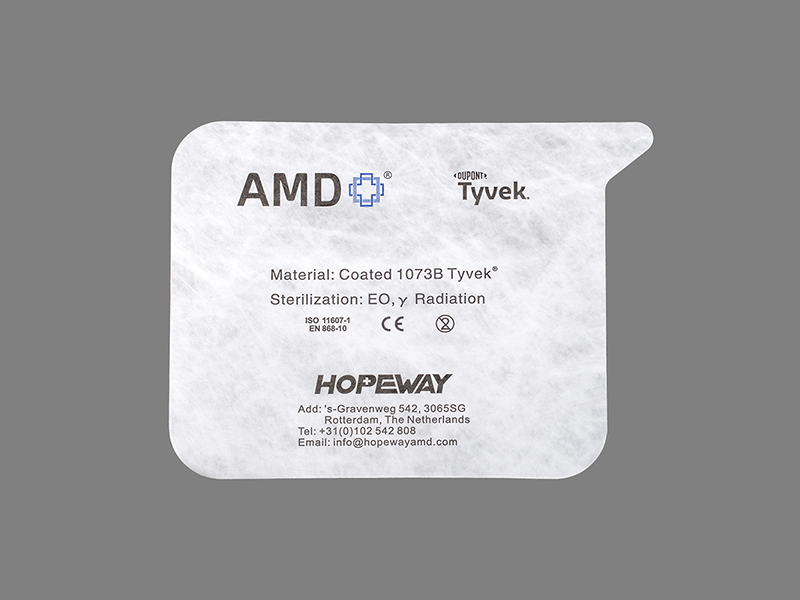
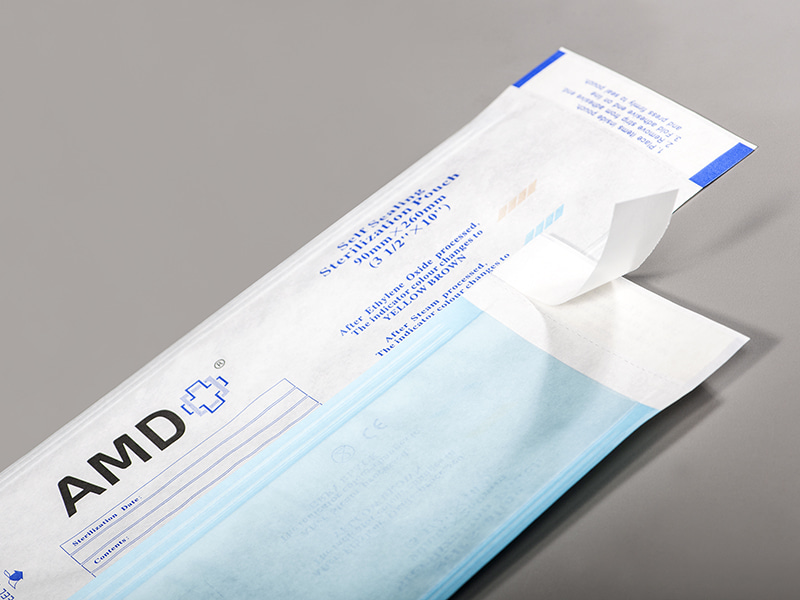
Tyvek Autoclave Packaging can be designed with areas that help staff recognize the packaged contents. A suitable labeling area can also support organization within the storage space.
The information does not need to be complicated.
What matters is that useful information can be located easily.
A healthcare facility may organize packaged instruments by:
- Instrument type
- Intended use
- Department
- Treatment area
- Storage location
- Preparation requirements
Clear identification can support these arrangements.
It can also reduce confusion when packaged instruments are moved between different areas. A package that remains recognizable during handling is easier to manage than one that requires repeated checking.
This makes identification part of workflow design rather than a separate labeling task.
Why Does Package Design Matter During Storage?
Storage is closely connected to handling.
Once an instrument has been packaged and processed, it may remain in storage until needed. During this period, staff still need to locate it, move it, organize it, and sometimes check its information.
The physical design of the package can affect these activities.
A package that is easy to handle can be grouped with similar items. Its shape can also influence how staff arrange packages within available storage space.
Different instruments may have different shapes and sizes. A package intended for one type of instrument may not suit another. Buyers therefore need to consider the relationship between the instrument and its packaging.
A practical storage system may separate items into different groups.
For example, instruments used frequently may be kept in an easily accessible area. Items for particular procedures may be arranged together. Packages can also be organized according to department or room.
The packaging becomes part of this visual system.
This is one reason why Tyvek Autoclave packaging should not be considered only from the perspective of sterilization. Its usefulness continues during storage and handling.
Can Consistent Packaging Improve Instrument Organization?
Consistency can make a working area easier to understand.
When packaged instruments have a similar appearance and handling method, staff may find it easier to recognize them as part of the same storage system.
This does not mean every instrument needs identical packaging.
Different instruments may require different pouch or package formats. The important point is that the packaging system can remain organized even when different package types are used.
Consistent design can help staff develop familiar handling habits.
A worker may quickly recognize where to look for a particular group of instruments. Packages can also be placed in an order that makes sense for the facility.
This becomes useful in environments where staff work with many instruments throughout the day.
Organization can be supported in several ways
Staff can recognize packaged items without unnecessary checking.
Useful information can be placed where it is easy to find.
Packages can be arranged according to the available storage space.
Staff can move individual packages without disrupting nearby items.
Similar items can be grouped in a familiar way.
These features are simple, but they can influence everyday work.
How Does Packaging Affect Movement Between Different Areas?
Medical instruments often move.
They may be prepared in one area, processed in another, and stored somewhere else. Later, they may be moved to a treatment room or working station.
Every movement creates an opportunity for confusion.
Packaging can help create a clear identity for each instrument during this process.
A labeled package can tell staff what it contains and where it belongs. A manageable package can also make it easier to transfer instruments without mixing them with other items.
This is especially relevant when several packaged instruments are being moved together.
Staff need to know which package belongs to which group. Clear organization can make this process more natural.
The same idea applies when unused packaged instruments are returned to storage.
A package that is easy to recognize can be placed back into the appropriate area without extensive checking.
This can make instrument movement feel like part of a continuous workflow rather than a series of disconnected tasks.
Could Better Handling Support More Organized Clinical Workflows?
Clinical workflows involve people, equipment, supplies, and information.
Instrument packaging sits between several of these elements.
Staff need to know what has been processed. They need to locate the appropriate instrument. They need to move it to the right place. They also need to handle the package appropriately when the instrument is required.
Good packaging design can support these steps.
For example, a clear package can make it easier to recognize an instrument before opening it. A useful labeling area can connect the physical package with the facility's organization system.
This can be particularly helpful when multiple instrument groups are stored together.
A practical Tyvek Autoclave Supplier should therefore understand how customers use packaging in real working environments. The discussion should not stop at the basic package itself.
Healthcare buyers can explain how instruments are prepared, stored, moved, and used. This gives the supplier a better understanding of the packaging application.
The result can be a more practical conversation about package design.
What Should Buyers Consider When Choosing Tyvek Autoclave Packaging?
Buyers often begin with the basic question of whether a package suits their sterilization process.
That is important, but it is only part of the decision.
The package also needs to fit the handling system around it.
Several areas can be considered during purchasing.
1. Instrument Type
Different instruments have different shapes and handling requirements.
The packaging should match the intended instrument group rather than being selected without considering the contents.
2. Visibility
Staff should be able to recognize the contents without unnecessary handling.
Visibility can make storage and retrieval easier.
3. Labeling
A clear area for useful identification information can support organized storage.
Labels should be easy for staff to locate and understand.
4. Handling
The package should be practical to move between preparation, storage, and use areas.
Easy handling can help reduce unnecessary disruption to nearby packages.
5. Storage
Think about how packages will be arranged after processing.
The packaging should work with the facility's available storage space and organization method.
6. Opening
The package should support the intended process when staff need access to the instrument.
This is another area where practical design matters.
7. Supplier Communication
Communication with a Tyvek Autoclave Manufacturer can help buyers explain their actual requirements.
Rather than choosing packaging based only on general descriptions, buyers can discuss instrument types, storage conditions, handling routines, and organization needs.
Why Is Ease of Use Becoming More Important in Medical Packaging?
Medical packaging is closely connected with daily work.
A package may be handled many times before the instrument inside it is finally used. Staff may move it, identify it, store it, retrieve it, and prepare it for opening.
This creates many opportunities for small design details to influence the experience.
Ease of use does not necessarily mean adding more features.
In many cases, it means removing unnecessary difficulty.
A package with a recognizable appearance can be easier to organize. A useful labeling area can make identification simpler. A practical shape can make storage more manageable.
These details can have value because they fit naturally into existing routines.
For healthcare facilities, the goal is not to make packaging the center of the workflow. It should support the workflow quietly.
That is why packaging design is receiving more attention from buyers who look beyond basic sterilization needs.
Could Tyvek Autoclave Packaging Become Part of a More Organized Storage System?
Instrument organization depends on many factors.
Storage shelves, staff routines, labeling practices, inventory methods, and packaging all have a role. Changing one element may influence the others.
Tyvek Autoclave packaging can become part of this wider system.
A package gives each instrument a physical identity. It can help separate items, support labeling, and make instruments easier to recognize during storage and movement.
This can also support better communication between different staff members.
When packages are clearly identified and organized, a worker does not need to rely entirely on personal knowledge of where every instrument is located. The packaging can provide visible information that supports the storage system.
As medical facilities review their instrument handling processes, packaging design can therefore be considered alongside storage and workflow planning.
The question is not only whether a package can contain an instrument during sterilization. It is also whether the package remains practical during the many steps that follow.




 ‘s-Gravenweg 542, 3065SG RotterdamThe Netherlands
 +31 (0)10 254 28 08