
 English
 Français
 Deutsch
 Nederlands
In modern clinical and laboratory environments, infection control depends on reliable preparation, handling, and storage of instruments. Before any reusable item comes into contact with a patient or a test sample, it must pass through a structured cleaning and sterilizing process. Within that workflow, packaging plays a quiet yet essential role. The container used to hold instruments during sterilization is not merely a wrapper; it is part of the safety system. Among the commonly used packaging options is the Sterilization Self Sealing Pouch, a product designed to support organized, hygienic processing while simplifying daily routines.
Content
- 1 Understanding the Basic Concept
- 2 Material Structure and Why It Matters
- 3 How It Functions During Sterilization
- 4 Where It Is Commonly Used
- 5 Advantages in Daily Workflow
- 6 Responsible Manufacturing and Selection
- 7 Handling and Storage Considerations
- 8 Environmental and Practical Awareness
- 9 Prepare the instruments and the workspace
- 10 Choose the correct pouch and prepare labeling
- 11 Insert items and close carefully
- 12 Load into the sterilizer with attention to airflow
- 13 Handle and store processed pouches properly
Understanding the Basic Concept
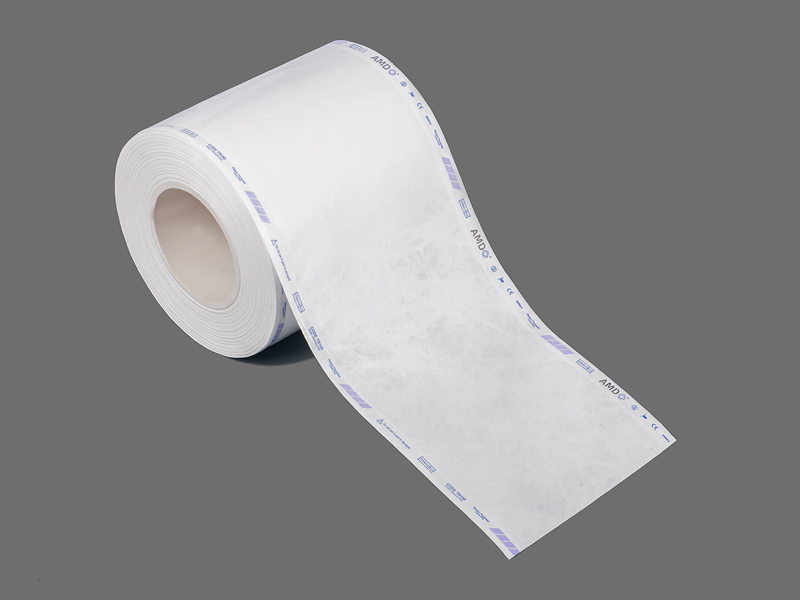
A self-sealing pouch is a specially engineered package used to hold cleaned instruments prior to sterilization. After instruments are washed, dried, and inspected, they are placed inside the pouch and enclosed by an adhesive closure. The package then enters a sterilizer. During the sterilizing cycle, heat and vapor or other approved agents penetrate the packaging material and reach the instrument surfaces. After processing, the package acts as a protective barrier until the moment of use.
The concept is straightforward: sterilize the instrument inside a sealed environment and maintain that protected condition afterward. The pouch therefore serves two connected purposes. It allows the sterilizing medium to enter, and later it helps prevent recontamination during storage and handling.
Material Structure and Why It Matters
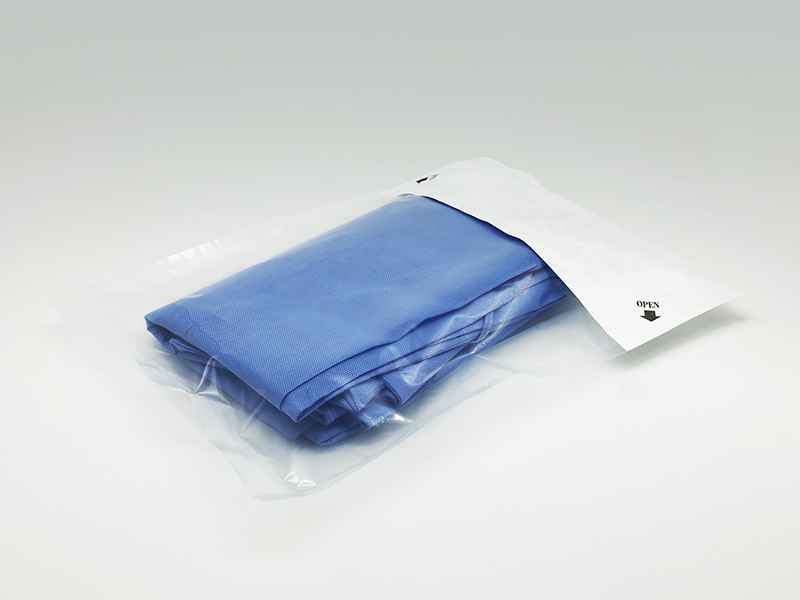
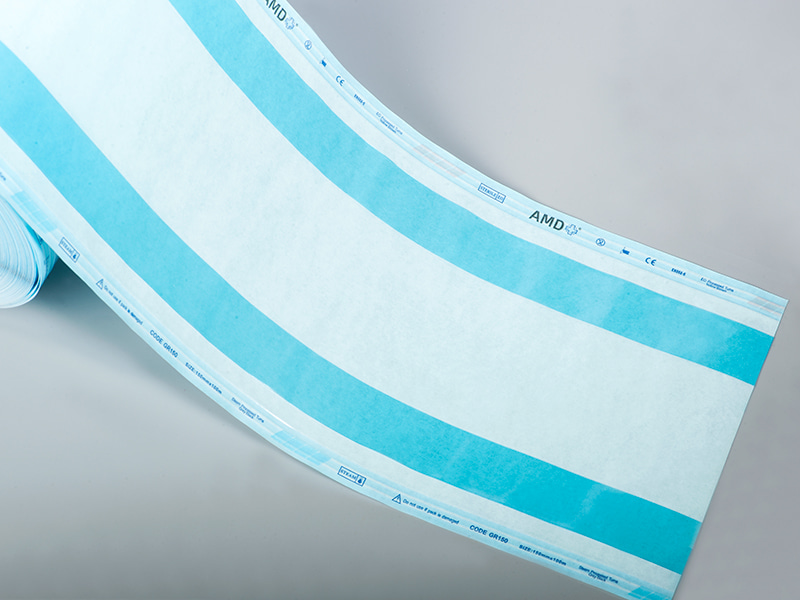
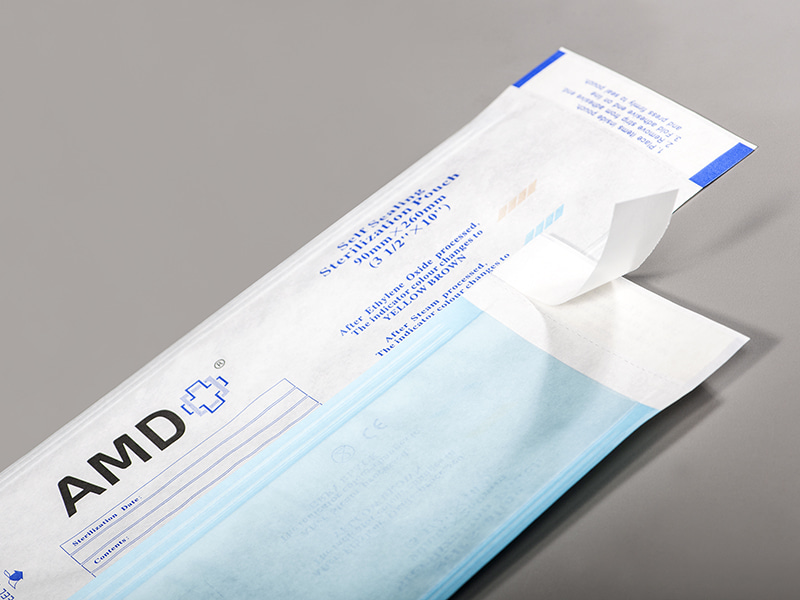
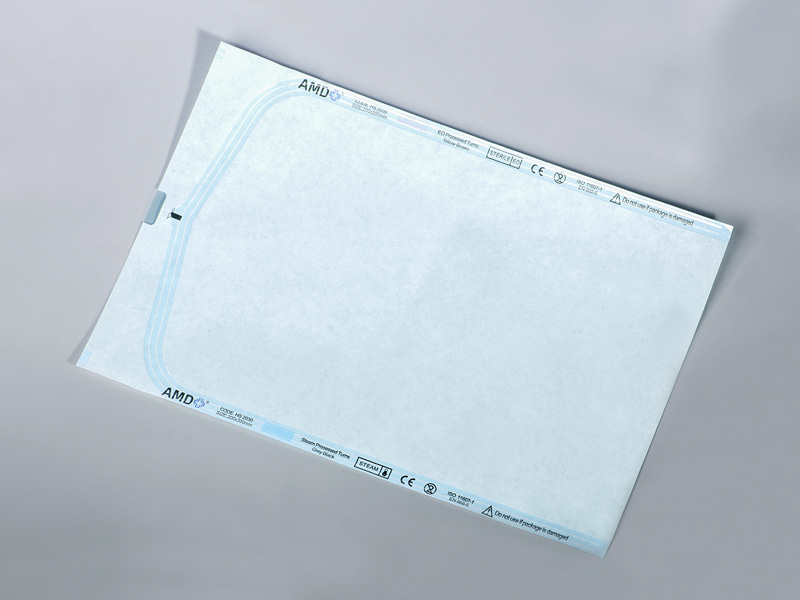
The pouch is typically composed of two different layers that work together. One side is a transparent medical-grade film, and the other side is a breathable paper material. The film provides visibility so staff can easily identify the contents without opening the package. The paper side permits sterilizing agents to pass through and contact the instruments. This combination balances access and protection.
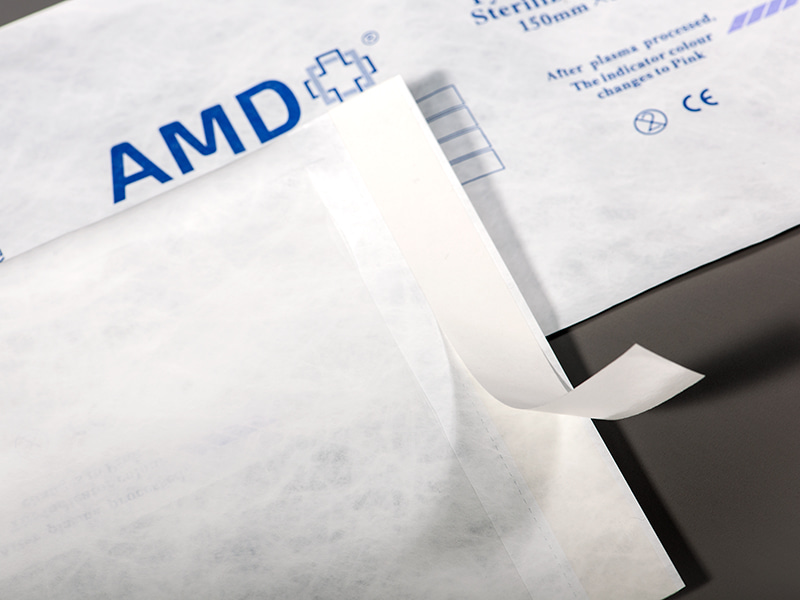
The adhesive strip along the opening replaces the need for a heat-sealing machine. After inserting the items, the user folds along a marked line and presses the adhesive area to close the package. Because the seal is completed manually, consistent technique and clean hands are important. A properly closed pouch supports safe storage and handling after processing.
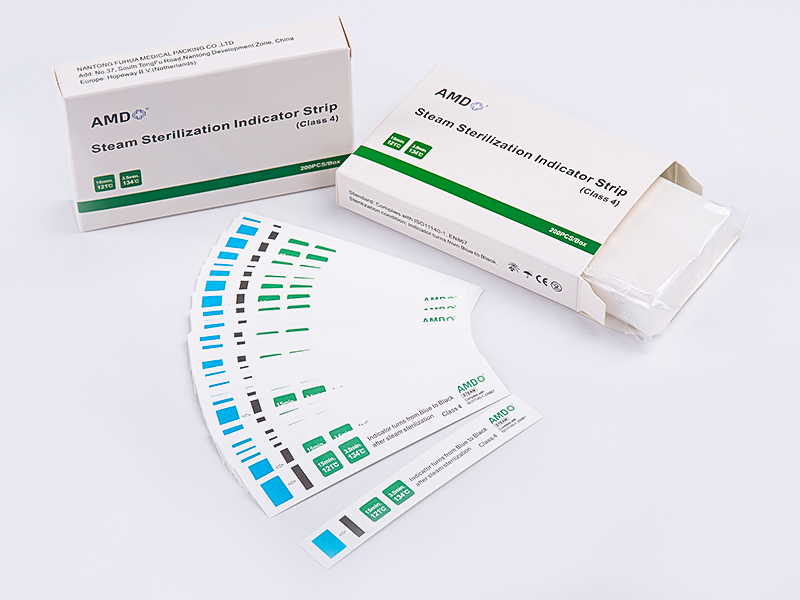
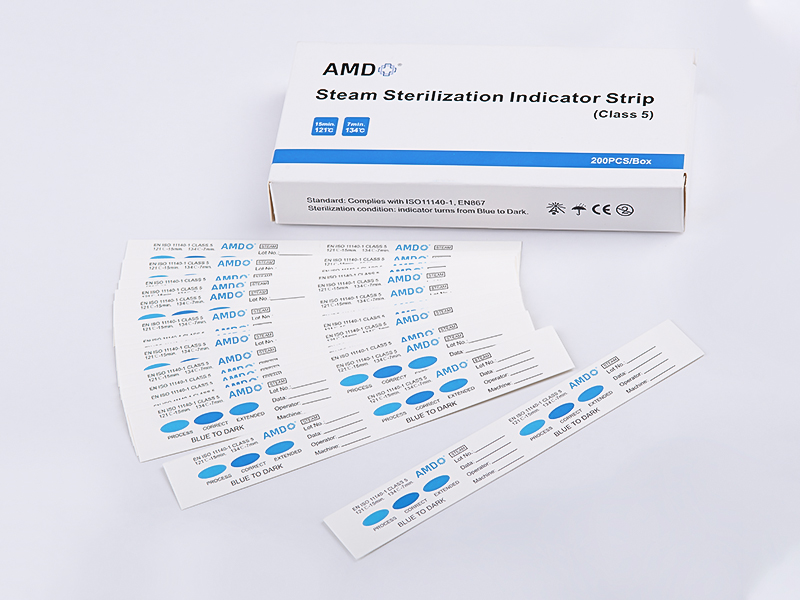
Another feature often included is a color-changing indicator printed on the surface. This indicator responds to exposure during the sterilization cycle. It does not confirm internal sterility by itself, but it helps staff distinguish processed packages from those that have not yet been sterilized.
| Component | Description | Function in Use | Practical Significance |
|---|---|---|---|
| Transparent Film Side | Clear medical film material | Allows visibility of instruments inside the package | Staff can identify contents without opening |
| Medical Paper Side | Breathable sterilization paper | Permits sterilizing agents to enter during processing | Supports proper exposure of instrument surfaces |
| Adhesive Closure Flap | Pre-applied sealing strip | Enables manual sealing without sealing equipment | Simplifies daily packaging workflow |
| Indicator Mark | Printed process indicator area | Changes appearance after sterilization exposure | Helps distinguish processed from unprocessed packages |
How It Functions During Sterilization
Once sealed, the pouch travels into a sterilizer together with other packaged instruments. During the cycle, the sterilizing agent penetrates through the paper side and circulates inside the package. The instrument surfaces are exposed, and microorganisms are inactivated according to established procedures.
After completion, the sterilizer dries the contents. The packaging material is designed to withstand the process and maintain integrity when handled correctly. When the pouch cools, the internal environment remains protected. Staff members can then store the package in a clean cabinet until needed.
At the point of use, the pouch is opened by peeling apart the paper and film layers. This method allows the instrument to fall onto a sterile field without direct contact with the outside surface. Proper opening technique helps preserve aseptic conditions.
Where It Is Commonly Used
Such pouches appear across many settings where reusable instruments are processed:
Dental clinics use them for hand instruments, mirrors, and small devices.
Medical offices package examination tools and minor procedure instruments.
Veterinary practices rely on them for surgical tools.
Laboratories may use them for metal tools that require controlled handling.
Educational training centers use them to teach standardized infection-control routines.
Because the packaging is prepared before sterilization and opened only at the moment of use, it supports organized instrument management. Staff can label the exterior with dates or identification marks, allowing rotation and traceability.
Advantages in Daily Workflow
One practical benefit is simplicity. The adhesive strip allows staff to seal the package without extra equipment, which is helpful in smaller facilities or areas with limited space. Visibility through the transparent side also reduces unnecessary opening and reprocessing, helping maintain orderly instrument flow.
Another advantage is separation. Each instrument set remains individually packaged, so staff can open only what is needed. This approach reduces handling of unused items and helps maintain hygienic storage practices.
Portability is also relevant. Sealed packages can be transported within a facility while maintaining protective covering, provided clean handling procedures are followed.
Responsible Manufacturing and Selection
When selecting packaging materials, users often look for clear labeling, material compatibility with the intended sterilization method, and consistent construction. Manufacturers play an important role by providing instructions for storage, sealing, and opening. A company such as Hopeway AMD, for example, is expected to supply documentation and usage guidance so healthcare staff can integrate the product into routine protocols appropriately.
Choosing an appropriate size is also important. The pouch should allow space around the instrument so sterilizing agents can circulate. Overfilling or tightly compressing items can interfere with processing and should be avoided.
Handling and Storage Considerations
Even after sterilization, the package must be handled carefully. Dropping, bending, or storing in damp areas may compromise the barrier. Clean shelves, dry cabinets, and organized rotation help maintain integrity. Staff training is equally important. Understanding how to close, load, and open the pouch properly is part of infection-control practice.
Opening technique deserves attention. The user should peel the package apart slowly and avoid touching the instrument directly. This helps transfer the item to a sterile field without contamination.
Environmental and Practical Awareness
Facilities are also becoming more mindful of material usage. Appropriate sizing reduces unnecessary waste, and proper storage prevents premature disposal. Some facilities group instruments into procedure-based sets so that only the required items are opened.
It is also important to follow local regulatory guidance. Packaging should be compatible with the sterilization equipment in use, and staff should refer to established procedures within their institution. The pouch is a supportive component of sterilization, not a replacement for correct cleaning and processing.
A well-run sterilization process combines proper cleaning, careful packaging, and consistent handling. For many clinics and small procedural areas, using a Sterilization Self Sealing Pouch simplifies the packaging stage while supporting routine infection control procedures. This article walks through practical, actionable steps that staff can adopt to integrate the pouch into daily practice, from preparation through final opening at the point of use.
Prepare the instruments and the workspace
Begin with a clean, organized workspace that is kept separate from clinical areas. Instruments should be thoroughly cleaned and inspected before packaging. Any visible debris, residue, or moisture must be removed because packaging cannot substitute for proper cleaning. Dry the instruments completely and arrange them in a way that avoids tight stacking or overlapping. The pouch performs when items are positioned with enough space around them so that the sterilizing agent can contact all surfaces.
Before handling packaging materials, ensure hands are clean and gloves are available. Work on a clean surface and keep packaging supplies within reach. Good lighting helps with inspection and placement.
Choose the correct pouch and prepare labeling
Select a pouch size that accommodates the instruments without excess folding or bunching. A pouch that is too small may prevent adequate penetration during sterilization; a pouch that is overly large increases material use and can complicate storage. If a facility prefers procedure-based organization, group instruments intended for the same task in the same pouch so that only needed items are opened later.
Label the exterior surface with nonerasable ink to note contents, processing date, and any internal tracking information required by facility protocols. Labels and markers should be compatible with the pouch material and should not obstruct the area where a process indicator is printed. Clear, legible labeling supports rotation and traceability.
Insert items and close carefully
Place the instruments into the pouch so that sharp or pointed ends lie away from the sealing edge. Arrange instruments so they remain visible through the transparent side; visibility allows easy identification without opening the package. Fold the open end along the marked fold line if present, and press the adhesive strip firmly to complete the closure. Pay attention to alignment so the seal is even across the width of the pouch.
A secure closure reduces the chance of accidental opening during handling. Because sealing relies on manual pressure rather than heat equipment, consistent technique is important. If a manufacturer offers guidance on pressure or folding technique, follow that documentation.
Include the process indicator and follow sterilizer compatibility
Ensure the indicator printed on the pouch is exposed to the sterilization cycle and remains unobstructed. The indicator provides a visual cue that the package has been processed. It is not a substitute for routine biological or chemical monitoring where such monitoring is required, but it does help staff identify processed packages quickly.
Confirm that the pouch material is compatible with the sterilization method in use, whether that involves steam, vapor, or another approved modality. Packaging performance depends on matching material properties with the sterilizer's cycle parameters. Refer to the sterilizer and packaging guidance provided by equipment and supply manufacturers for compatibility details.
Load into the sterilizer with attention to airflow
When loading packaged instruments into the sterilizer, arrange packages so that airflow and agent penetration are not impeded. Avoid overpacking the chamber and keep packages spaced to allow circulation. Place pouches in positions that prevent crushing or compression during the cycle.
Follow the sterilizer's loading recommendations and run the selected cycle. After the cycle completes, allow packages to dry adequately before removal if the process requires. Wet or damp packages can compromise barrier integrity and should not be stored until dry.
Handle and store processed pouches properly
Remove processed packages using clean technique. Inspect the exterior for intact seals, dry surfaces, and clear indicator response. If the packaging shows damage, tears, or compromised seals, set the package aside for reprocessing rather than putting it into use.
Store packages in a clean, dry cabinet or drawer that is dedicated to processed items. Avoid storing packs on the floor or in areas prone to moisture or dust. Rotate stock using a first-in, first-out approach based on processing date and facility protocol to minimize long-term storage that could affect material performance.
In summary, the pouch serves as a practical tool within a complete sterilization workflow. When instruments are prepared correctly, sealed with care, processed in a compatible sterilizer, and stored and opened with attention to aseptic technique, the pouch helps support organized handling from processing to point of use. Clear procedures, consistent training, and attention to material compatibility ensure that this packaging step contributes effectively to routine infection prevention practices.

 ‘s-Gravenweg 542, 3065SG RotterdamThe Netherlands
 +31 (0)10 254 28 08