
 English
 Français
 Deutsch
 Nederlands
Medical packaging has a job that goes well beyond holding a product. It needs to fit into a complete process that may include preparation, sterilization, handling, storage, and use. For sterile medical products, the package becomes part of how the product is managed before it reaches its intended application.
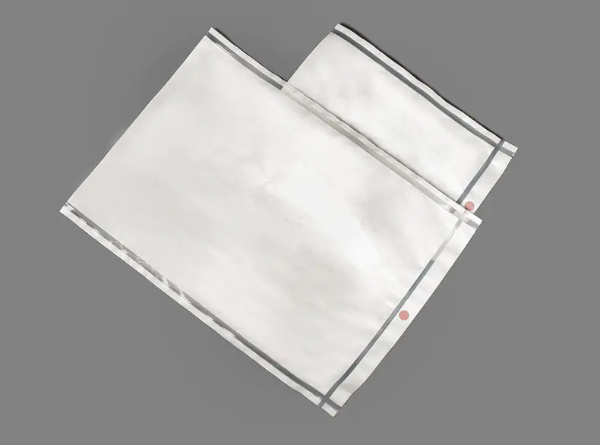
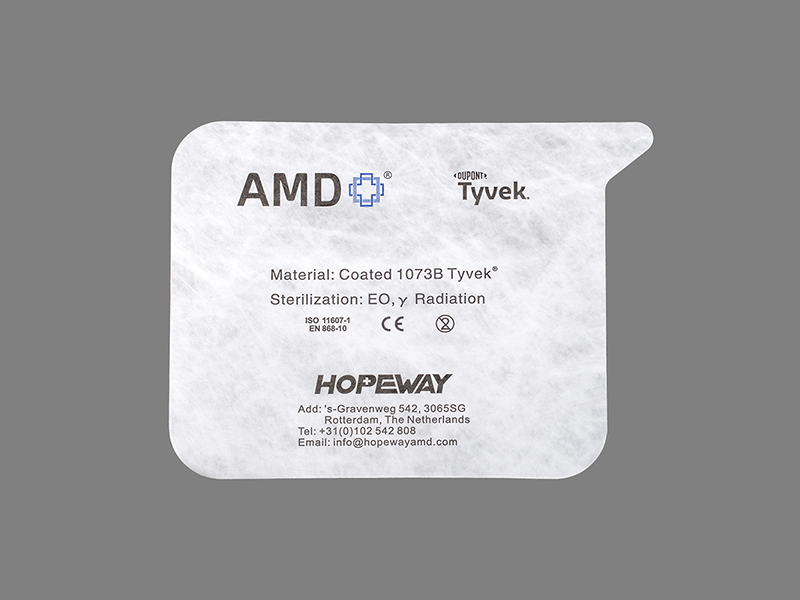
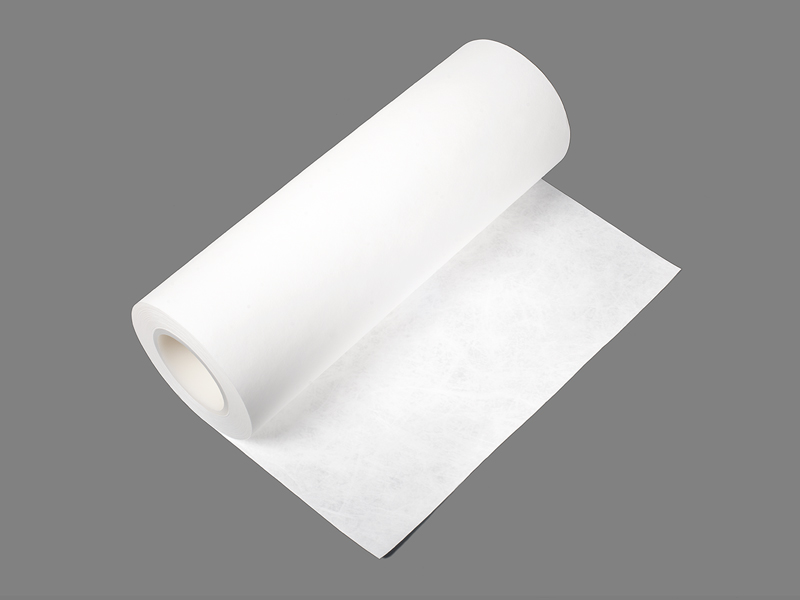
This is one reason Tyvek Packaging has gained attention in sterile medical packaging. Its use is connected with the need for packaging that can work with sterilization processes while also supporting product handling and storage.
A sterile product may pass through several hands before it is opened. It may move from a production area to a sterilization area, then to storage, transportation, and finally to a healthcare setting. During this journey, the package needs to remain useful and easy to identify.
Packaging choices therefore involve more than appearance. Buyers and manufacturers need to consider how the material fits the complete workflow.
For sterile medical products, Tyvek Packaging is often considered because it brings several packaging functions together in one material choice. It can support the needs of sterilization packaging while also providing a practical surface for handling, identification, and package design.
Content
- 1 What Role Does Packaging Play in Sterile Medical Products?
- 2 Why Is Tyvek Packaging Considered for Sterilization Applications?
- 3 How Can Tyvek Packaging Support Product Protection?
- 4 What Makes Tyvek Packaging Practical for Medical Packaging Workflows?
- 5 How Does Tyvek Packaging Support Product Identification?
- 6 Could Tyvek Packaging Work With Sterilization Indicators?
- 7 What Should Buyers Consider When Choosing Tyvek Packaging?
- 8 How Are Tyvek Packaging Needs Changing With Medical Packaging Design?
What Role Does Packaging Play in Sterile Medical Products?
The package is closely connected to the condition of a sterile medical product. Once a product has gone through its required processing, the packaging becomes an important part of how it is handled afterward.
A package needs to contain the product and support its movement through different stages. It may also need to make the product easy to identify without opening the package. This becomes useful when several packaged items are stored in the same area.
A well-planned packaging system can make routine work more organized. Staff can identify products, check package information, move items between locations, and prepare them for use without adding unnecessary steps.
The role of packaging can be viewed across several areas:
| Packaging Role | Why It Matters |
|---|---|
| Product Containment | Keeps the medical item within its designated package |
| Sterilization Support | Allows the package to be part of the sterilization workflow |
| Handling | Makes products easier to move between work areas |
| Identification | Provides space for labels and other product information |
| Storage | Supports organized storage before use |
| Protection | Helps reduce unwanted contact with the packaged product |
This wider role explains why material selection matters. A package may look simple from the outside, but it needs to work with many activities around the product.
For manufacturers, packaging also has to fit production processes. For buyers, it needs to fit procurement, storage, and handling requirements. The same package is therefore viewed from several different angles.
Why Is Tyvek Packaging Considered for Sterilization Applications?
Sterilization creates particular requirements for medical packaging. The package needs to work with the chosen sterilization process while continuing to serve its role afterward.
Tyvek Packaging is often associated with sterile packaging because the material can be used in packaging formats designed for sterilization applications. This makes it relevant to medical products that need to move through a controlled processing workflow before use.
The key point is that packaging and sterilization should not be treated as completely separate subjects. The material needs to fit the process around it.
For example, a medical item may be placed inside a package before processing. After processing, the package may remain closed during handling and storage. The packaging therefore needs to support both stages.
This creates several practical considerations:
Material Selection
The material needs to suit the intended packaging format.
Processing Workflow
The package should fit the planned processing workflow.
Package Handling
The finished package should be convenient to handle.
Product Information
Product information should remain easy to identify.
Storage Organization
The package should support organized storage before use.
Tyvek Packaging can be incorporated into different sterile packaging formats, depending on the product and application. The exact design can vary, but the basic purpose remains similar: create a practical packaging solution that fits the journey of a sterile medical product.
For buyers, this means that material selection should be connected with actual use rather than based only on the name of the material.
How Can Tyvek Packaging Support Product Protection?
Protection is one of the central reasons medical products need carefully considered packaging. A product may be handled many times before it is used.
During this period, the package becomes a physical layer between the product and its surrounding environment. Its condition can affect how confidently the product can be handled and stored.
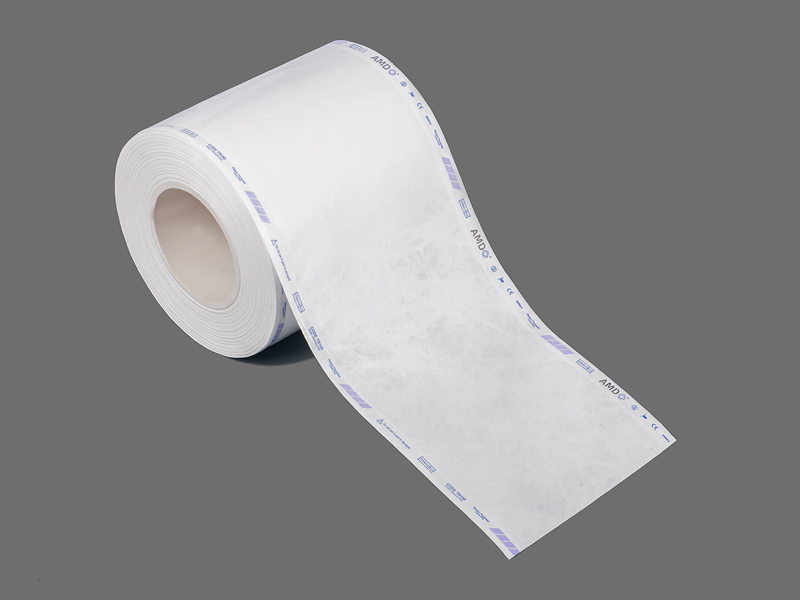
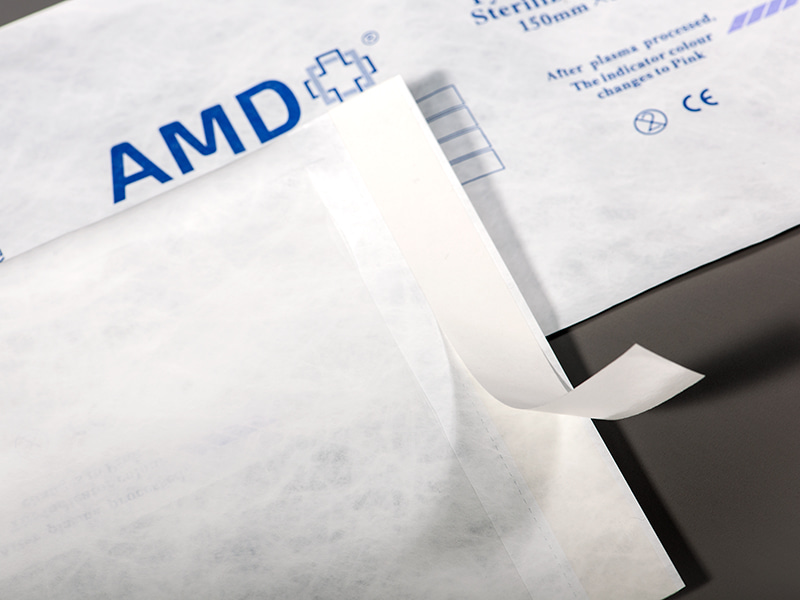
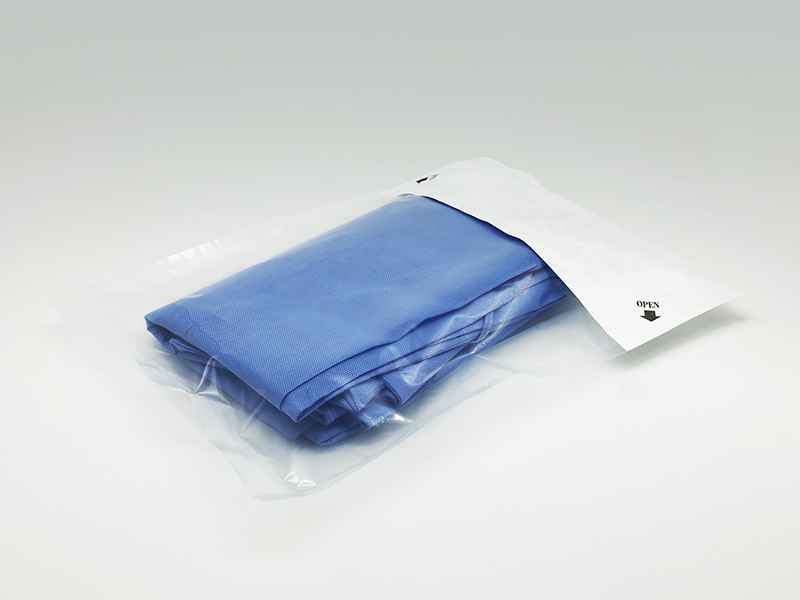
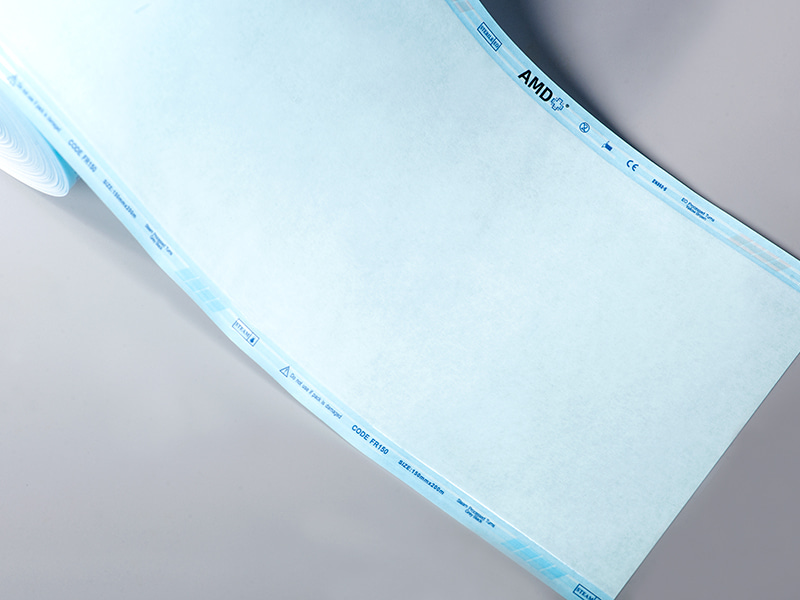
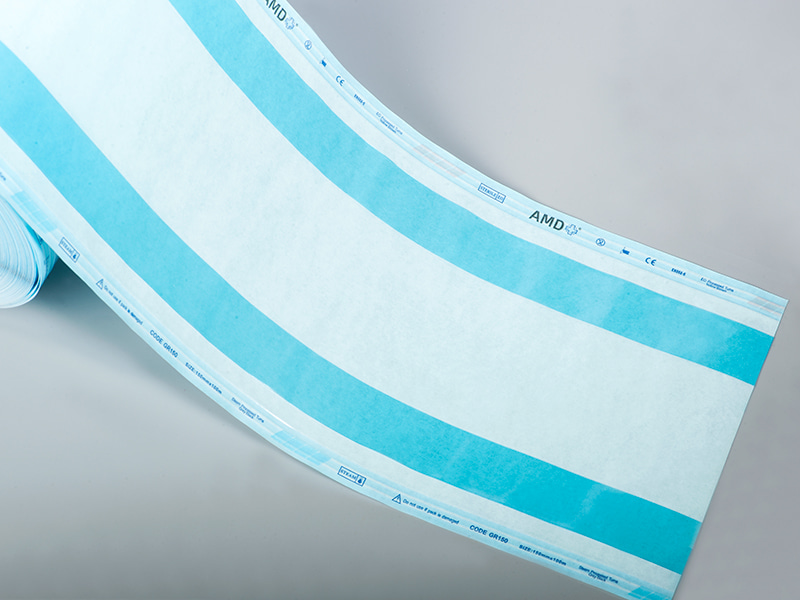
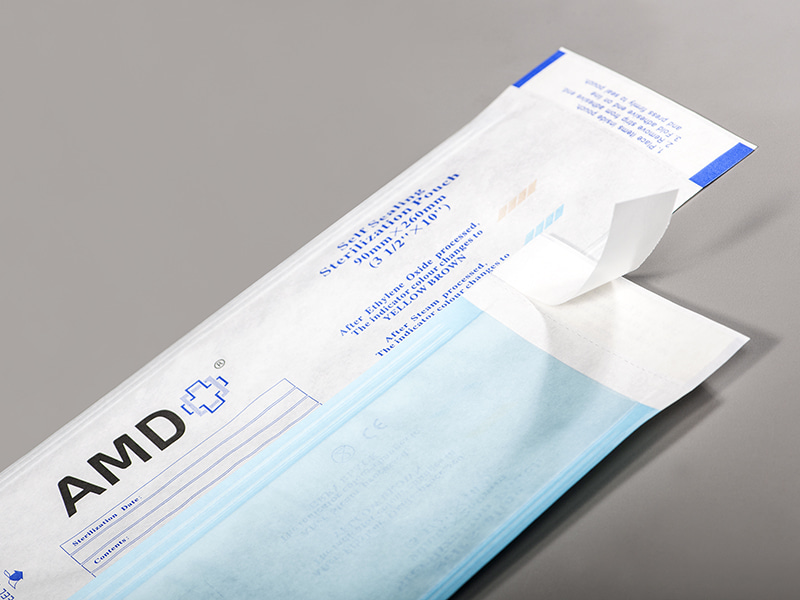
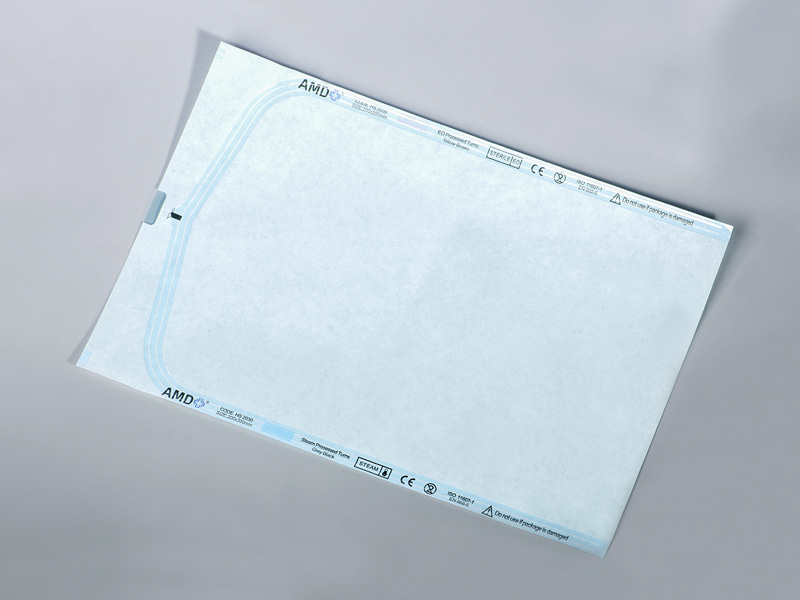
Tyvek Packaging can support this role through packaging structures designed around the needs of sterile products. The material can be incorporated into pouches, bags, covers, and other packaging formats.
The package also provides a surface around the product. This surface can be used for identification and handling information, helping staff understand what is inside without opening the package unnecessarily.
Product protection is not limited to the material itself. The complete packaging design also matters.
A package may need to consider:
- How the product is placed inside.
- How the package is sealed.
- How it will be handled after processing.
- How it will be stored.
- How staff will open it when needed.
- How package information will be displayed.
This is why medical packaging decisions often involve several departments. Product development may focus on package design. Production teams may consider manufacturing processes. Quality teams may review package performance. Purchasing teams may look at supply and application requirements.
The material is only one part of the overall system, but it can influence how the rest of that system is designed.
What Makes Tyvek Packaging Practical for Medical Packaging Workflows?
Medical packaging needs to work in real environments. A material may have useful characteristics, but those characteristics need to translate into practical handling.
Tyvek Packaging is used in packaging formats where ease of handling is important. The package can be designed for different product shapes and applications, while maintaining a clear relationship between the packaged item and its external information.
This can help simplify routine work.
Imagine a storage area containing many sealed medical products. Staff may need to locate a particular item, check its identification, move it to another area, and prepare it for use. Packaging that supports these actions can make the workflow easier to manage.
The package also needs to be considered from the opening stage. A sterile medical product is not useful if the package is difficult to handle when the product is needed. Opening should fit the intended use and should not create unnecessary confusion.
Tyvek Packaging can be part of this chain rather than an isolated packaging step.
This broader view is becoming increasingly relevant to packaging manufacturers. Buyers are not simply asking what a material is. They are also asking how it fits their existing process.
That shift changes the packaging conversation. Material selection becomes connected with workflow design, product handling, and user needs.
How Does Tyvek Packaging Support Product Identification?
Sterile medical products often need clear identification during storage and handling. Once a package has been sealed, staff may need to recognize the contents without opening it.
The outer package can provide an area for labels, product information, handling instructions, or other identification details. This gives packaging a communication role in addition to its containment function.
Clear identification can help separate similar products. It can also support organized storage when many packages are handled in the same environment.
This is particularly relevant when products have different uses. A storage area may contain multiple types of medical items, each intended for a different procedure or application. Easy-to-read package information can make selection more straightforward.
The relationship between packaging and identification can be organized like this:
| Information Need | Packaging Consideration |
|---|---|
| Product Name | Provides a clear identification area |
| Product Type | Helps distinguish similar packaged items |
| Handling Information | Supports appropriate package movement |
| Storage Information | Helps organize products before use |
| Product Tracking | Allows relevant information to remain with the package |
The design should avoid unnecessary visual complexity. Medical packaging is generally handled in practical environments, not displayed like consumer products.
Simple and clear communication can therefore be more useful than decorative design.
Could Tyvek Packaging Work With Sterilization Indicators?
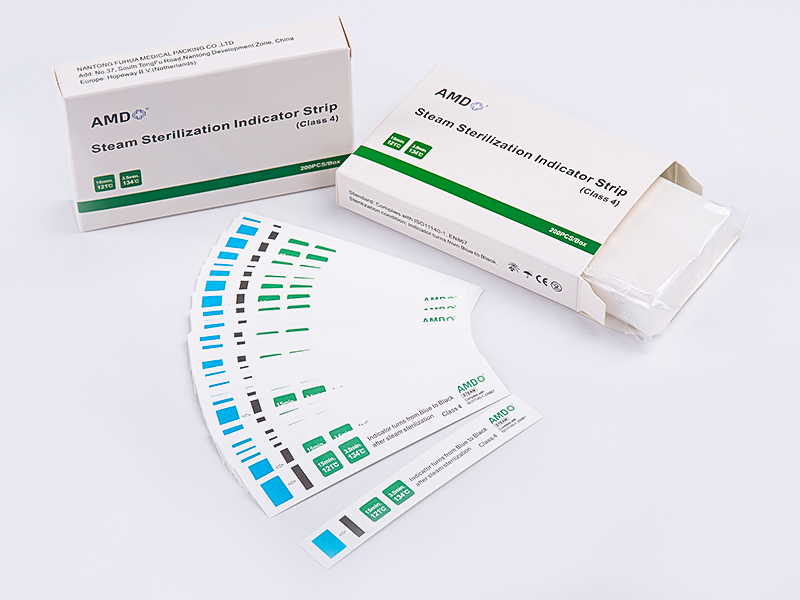
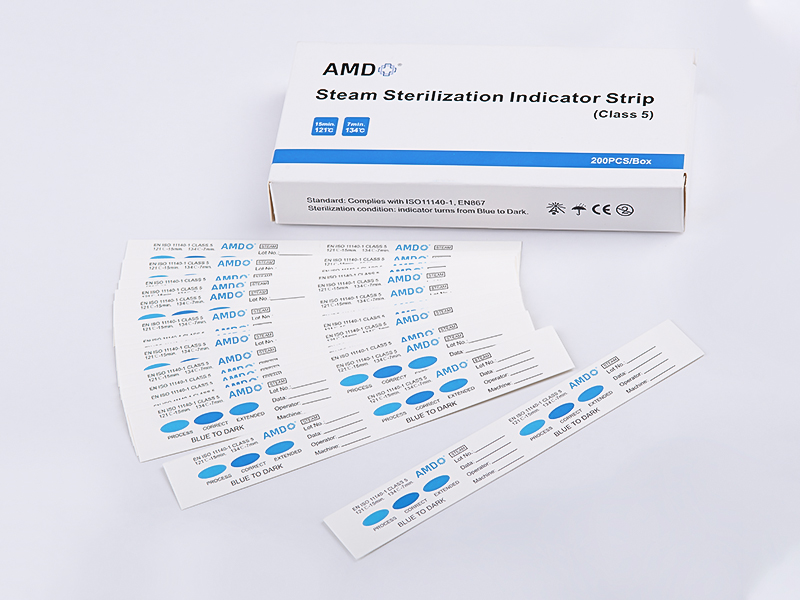
Sterilization indicators provide another form of visual information within sterilization packaging. When an indicator is incorporated into a package or used with it, staff can have an additional reference related to processing.
This makes the relationship between Tyvek Packaging and sterilization indicators worth considering.
The package provides the physical structure around the product. The indicator provides visible process information. Together, they can support a more organized packaging workflow.
The two functions should not be confused. An indicator does not replace the packaging itself, and packaging does not replace the complete sterilization monitoring process.
Instead, they can work alongside one another.
| Packaging Component | Main Function |
|---|---|
| Tyvek Packaging | Contains and supports the packaged medical product |
| Sterilization Indicator | Provides visible information associated with processing |
| Label | Helps identify the product and package |
| Seal | Helps keep the package closed during handling |
| Outer Information | Supports storage and product management |
This combination can be useful when manufacturers are developing sterile packaging solutions. The goal is to make each part work naturally with the others.
For buyers, it can also be helpful to consider the entire package rather than selecting individual components without looking at how they interact.
What Should Buyers Consider When Choosing Tyvek Packaging?
Choosing medical packaging requires more than comparing material names. The intended product, packaging format, sterilization process, handling method, and storage environment all have a role.
Buyers may also have different requirements depending on whether they are purchasing packaging for medical devices, laboratory products, healthcare supplies, or other sterile applications.
Several practical questions can help narrow the options.
| Buyer Question | Why It Matters |
|---|---|
| What type of product will be packaged? | Connects the package with the product's shape and handling needs |
| How will the package be processed? | Helps determine whether the packaging format suits the workflow |
| How will staff handle the package? | Supports practical package design |
| What information needs to appear outside? | Helps plan identification and labeling |
| How will the package be stored? | Connects packaging with storage organization |
| How will the package be opened? | Helps match the design with the intended use |
| Is the supplier information clear? | Helps buyers understand product use and supply conditions |
Supply considerations also deserve attention. Buyers may need regular access to packaging materials, consistent product presentation, and clear communication during purchasing.
Product Application
A buyer can begin by identifying the type of product that will be packaged and the way it will move through the intended workflow.
Processing Requirements
The packaging format should be considered in relation to the planned sterilization and processing activities.
Handling and Storage
Package movement and storage conditions can influence the practical design of the packaging.
Identification Needs
Clear external information can help staff recognize and manage packaged products.
Supplier Information
A Tyvek Packaging Supplier should provide information that allows buyers to understand what the packaging is designed for.
Product claims should be clear and supported by appropriate documentation rather than relying on broad promotional language.
This is especially important for medical packaging because packaging decisions can affect multiple parts of the workflow.
How Are Tyvek Packaging Needs Changing With Medical Packaging Design?
Medical packaging is becoming more closely connected with the complete product workflow. Manufacturers are looking at how packaging can support processing, storage, identification, and handling rather than treating each activity as a separate task.
This creates room for packaging materials to play a wider role.
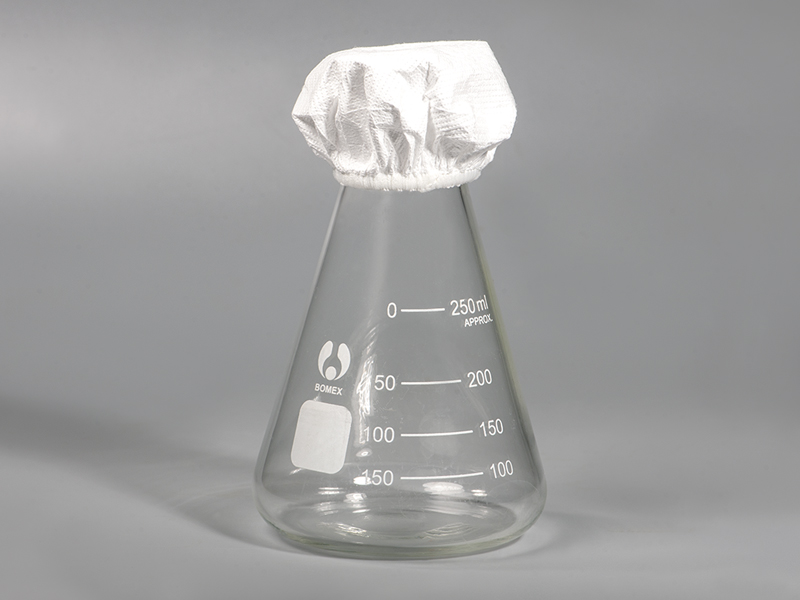
Tyvek Packaging can be incorporated into different formats based on product needs. Pouches may be suitable for certain medical items. Bags or other structures may be considered for different product shapes or handling requirements.
The design conversation is also moving toward usability. A package needs to make sense to the people who actually handle it.
That includes production workers, sterilization staff, warehouse teams, healthcare workers, and other users involved before the product reaches its final application.
Several design questions can guide this process:
Clear package information can make products easier to recognize during storage and handling.
A practical package should fit naturally into everyday movement and preparation.
The package design should correspond with the product's shape and intended application.
Other considerations can also guide the packaging process:
- Can it be integrated into the intended sterilization workflow?
- Is the package suitable for storage and transportation?
- Can the information on the package be understood clearly?
- Does the design match the way the product will eventually be used?
These questions show why Tyvek Packaging remains relevant to sterile medical products. Its role is not limited to holding an item. It can become part of a broader packaging system that connects sterilization, handling, identification, storage, and use.
As medical product manufacturers continue to examine packaging from a workflow perspective, material selection is increasingly tied to how the complete package performs in everyday operations.Tyvek Packaging sits within that discussion as a material option for sterile packaging formats where processing support, product handling, and clear package communication all need to work together.
 ‘s-Gravenweg 542, 3065SG RotterdamThe Netherlands
 +31 (0)10 254 28 08