
 English
 Français
 Deutsch
 Nederlands

Content
- 1 Why Sterile Medical Packaging Needs Specialized Materials
- 2 What Makes Tyvek Suitable for Sterile Medical Packaging
- 3 How These Properties Benefit Medical Packaging in Practice
- 4 Why a Center Strip Pouch Made of Tyvek Is Considered
- 5 How Material and Structure Work Together
- 6 Material Roles and System Checks
- 7 Selection and Use Considerations
- 8 Tyvek Properties Within a Complete Sterile Barrier System
Why Sterile Medical Packaging Needs Specialized Materials
Medical devices that are supplied sterile must remain protected from contamination after the sterilization cycle until the pack is opened at the point of use. Packaging is the barrier that makes that possible. It has to withstand sterilization, handling, storage and transport without opening paths for microbes, yet it must also allow the chosen sterilizing agent to reach the device during the process. Ordinary consumer films and papers are not designed for that dual role.
Microbial barrier performance is therefore central. A pack that admits steam, ethylene oxide or another validated agent during processing must still resist bacterial penetration afterward under normal storage conditions. Material structure, seal quality and overall pack design work together; none of them alone guarantees sterility. Integrity of seals and surfaces matters equally: punctures, channel leaks or weak bonds can undo an otherwise suitable material choice. Selection of packaging materials is thus tied to the device, the sterilization method and the validated packaging system, not to convenience or appearance alone.
What Makes Tyvek Suitable for Sterile Medical Packaging
Breathability for Compatible Sterilization Processes
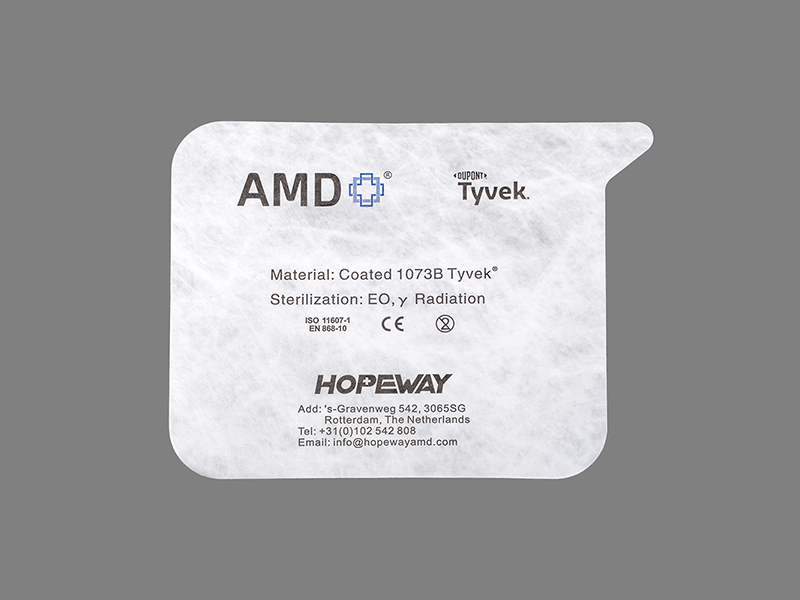
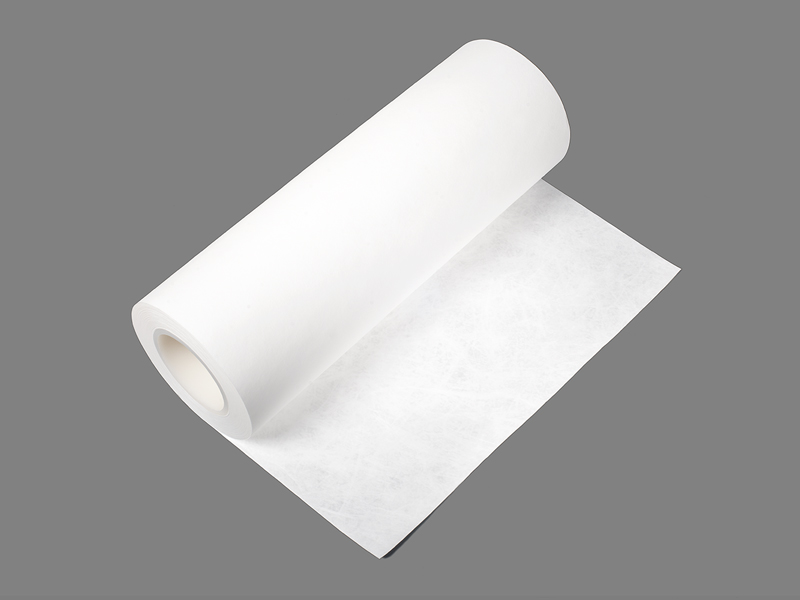
Tyvek is used in medical packaging partly because its structure can allow sterilizing agents to pass under conditions defined in a validated cycle. That permeability is useful when the process depends on gas or steam contact with the device surface. Suitability always depends on the specific grade, the pack design and the validated parameters of the sterilization method; it is not assumed for every process or every device.
Microbial Barrier Behaviour in a Validated System
The fibrous structure associated with Tyvek is used to help limit microbial penetration when the material is part of a complete, validated packaging system. Barrier performance is evaluated for the finished pack, including seals and any coatings or laminations, rather than claimed from the sheet alone. Proper sealing and intact surfaces remain essential after sterilization and during distribution.
Strength Under Handling Stress
Medical packs are flexed, stacked and sometimes dropped in distribution. Material that resists tearing and puncture under ordinary handling reduces the rate of damaged units. Strength must still be balanced with seal peel behaviour so that users can open the pack cleanly in clinical settings without generating excessive particulate.
Lightweight Structure
Tyvek-based components add protection without the bulk of some heavier barrier constructions. Lower pack weight can simplify handling and storage while still meeting the mechanical needs of the application when the grade and design are correctly chosen.
Compatibility with Medical Pouch Formats
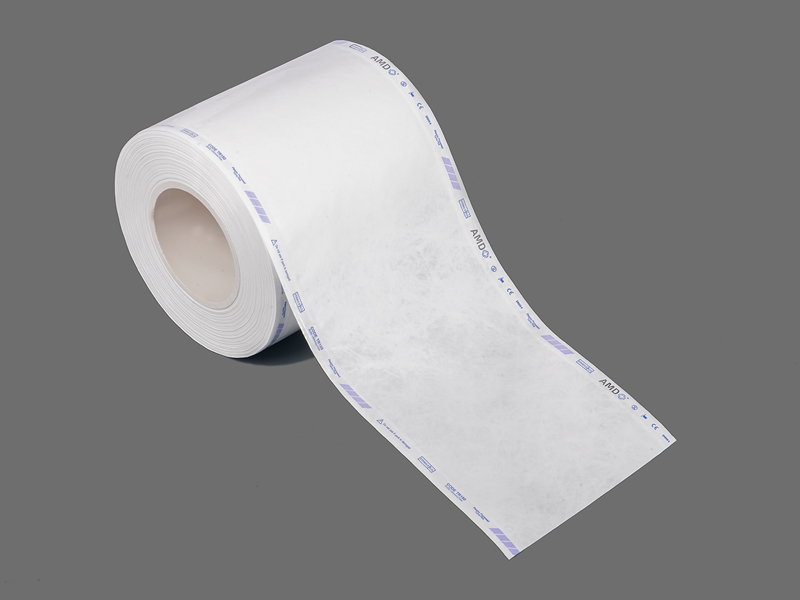
The material can be combined with films and seal designs used in pouches intended for compatible sterilization routes. Pouch geometry, seal width and vent paths are engineered so that the Tyvek panel and the rest of the structure work as one system. Tyvek Packaging for Sterilization applications rely on that system-level design, not on substituting Tyvek into an unvalidated pack layout.
How These Properties Benefit Medical Packaging in Practice
During a compatible sterilization cycle, sterilant can reach the device through the breathable panel while the pack remains closed. After the cycle, the same panel contributes to the microbial barrier that keeps the device protected in storage, provided seals stay intact and the pack is not abused. During shipping and warehouse handling, material strength supports the pouch against scuffs and flexing. For individually packed devices, the combination of barrier panel and sealed perimeter creates a unit that can be labelled, tracked and opened in a controlled way at the point of use.
None of these benefits replaces validation. Process challenge devices, seal checks and stability studies remain part of establishing a sterile barrier system for a given product.
Why a Center Strip Pouch Made of Tyvek Is Considered
Tyvek Material in the Pouch Build
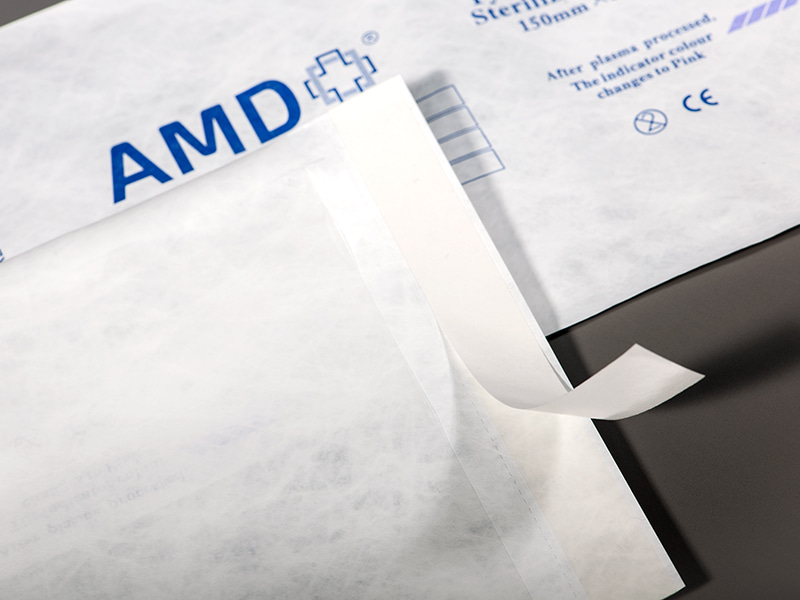
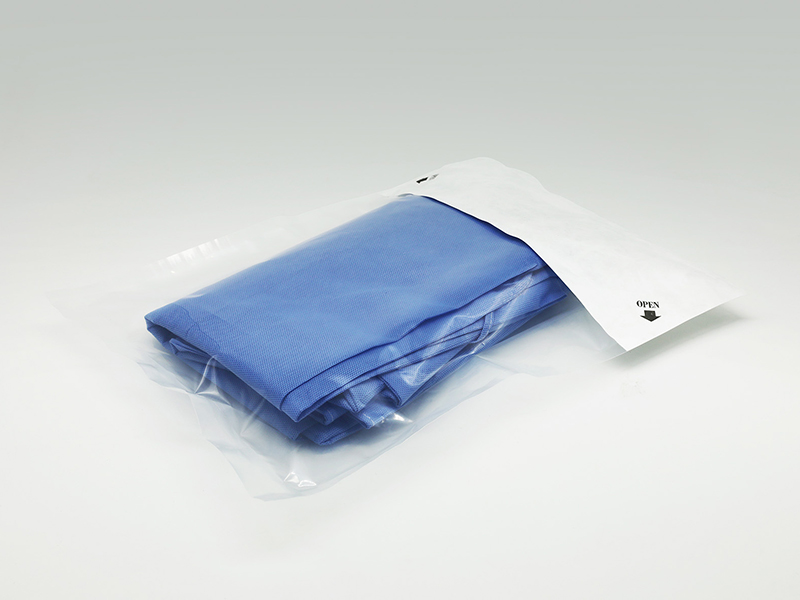
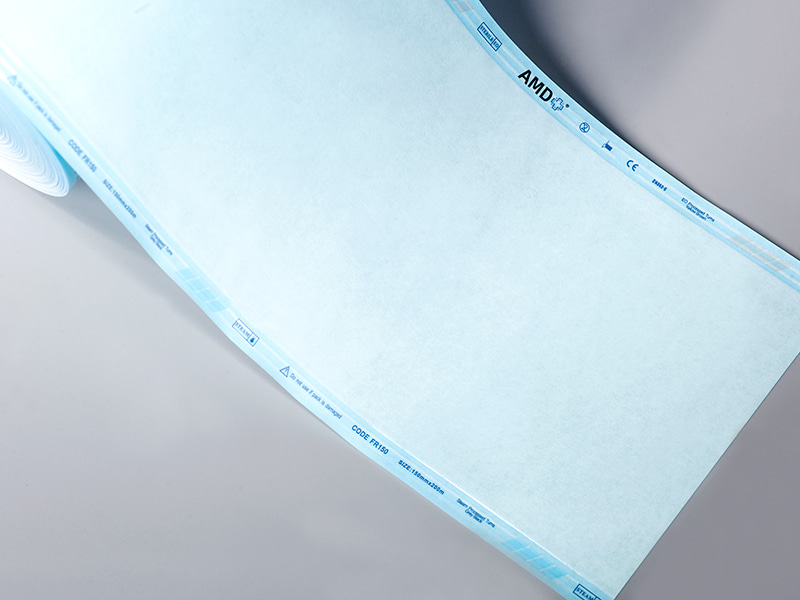
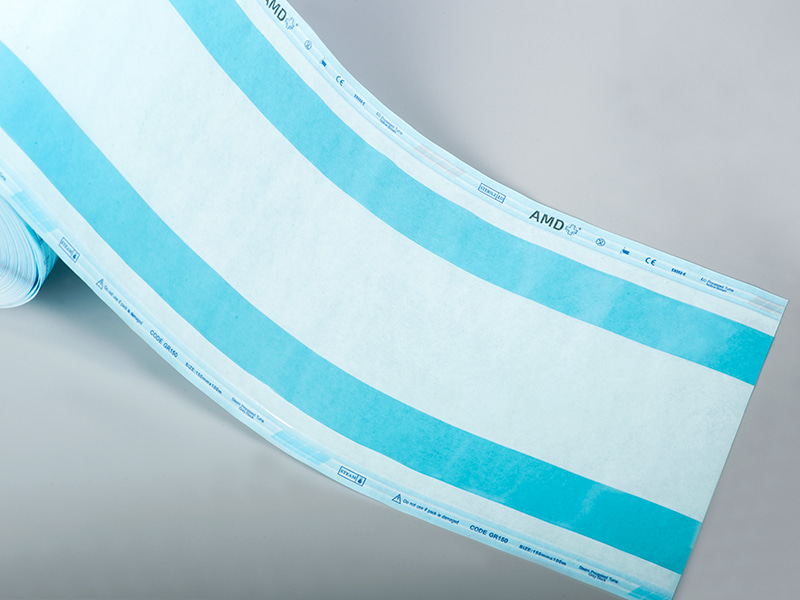
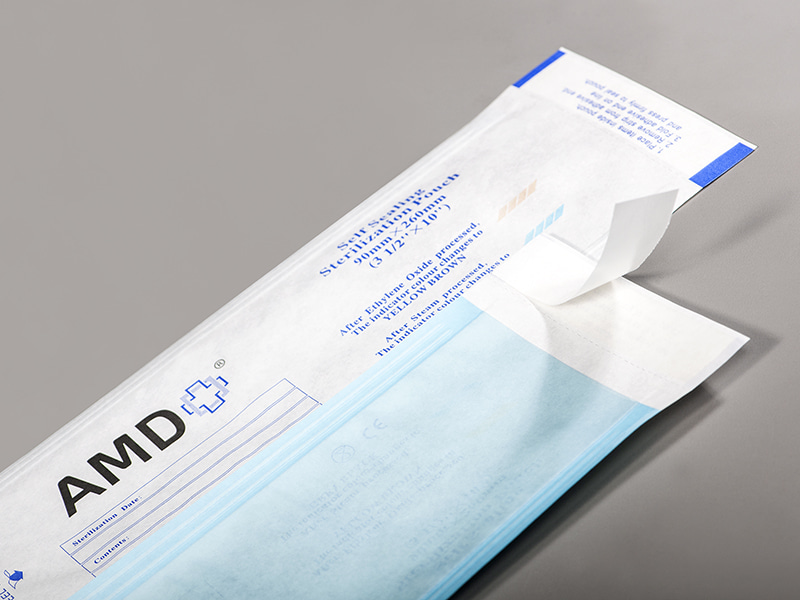
A center strip pouch construction uses Tyvek as the key breathable component for sterile medical packaging applications that call for that material. The Tyvek strip provides the path for sterilant and the barrier contribution associated with the chosen grade, while other faces of the pouch may use film structures suited to sealing and visibility.
Center Strip Structure
The center strip layout places the Tyvek panel in a defined band within the pouch. That geometry distinguishes the format from full-face porous packs or simple film-film pouches and supports the intended balance of breathability, seal area and device fit. Strip width and position are part of the design controlled during manufacture.
Use in Sterile Packaging Systems
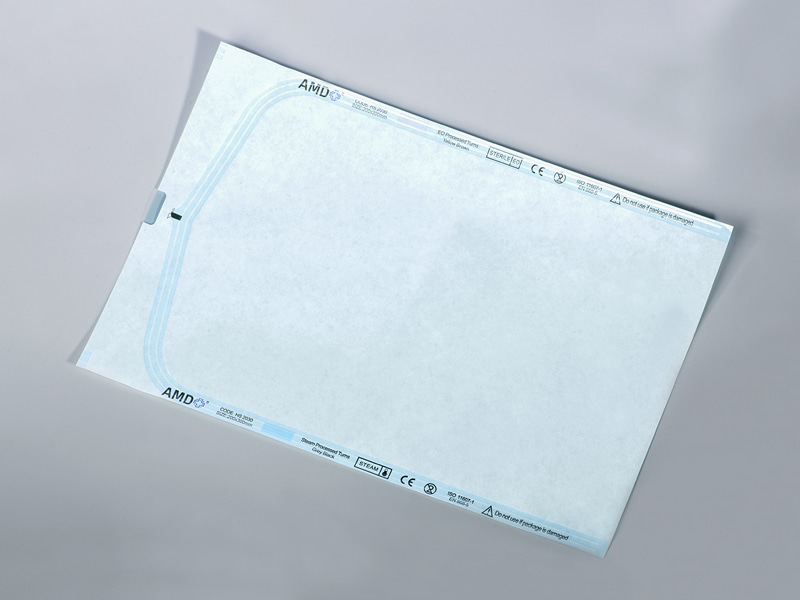
Such pouches are intended for medical device packaging systems that use compatible, validated sterilization methods. Device size, orientation and load configuration must match the pouch cavity and the validated process. The pouch does not define sterility by itself; the validated system does.
Practical Individual Pack Format
An individual pouch isolates one device or one defined set of components, which supports traceability and aseptic presentation when opening instructions are followed. Label areas and seal regions are arranged so that printing and inspection remain feasible in production.
Supporting Packaging Integrity
Seal zones and material interfaces are designed so that the finished pouch can meet the integrity expectations of the overall packaging system when sealing parameters are controlled and monitored. Incoming material quality, seal equipment maintenance and routine inspection all influence outcomes on the line. Tyvek Medical Pouches in a center strip format are assessed on that full chain of material, structure and process control.
How Material and Structure Work Together
Tyvek contributes breathability for compatible cycles and barrier behaviour within a validated pack. The center strip arrangement determines how much porous area is available, where seals run and how the device sits inside the pouch. Material selection without structural design leaves gaps in performance; structure without a suitable porous component may fail sterilant penetration or drying requirements. Sealing recipes, peel strength targets and validation protocols bind material and structure into a usable sterile barrier system. Changes to strip specification, film partner or seal settings require review so that the validated state is not assumed after a silent modification.
Material Roles and System Checks
| Aspect | Role in sterile packaging | Practical check |
|---|---|---|
| Breathable panel | Allows sterilant access in compatible cycles | Match grade and design to validated process |
| Microbial barrier | Limits contamination after sterilization | Evaluate finished pack, not sheet alone |
| Mechanical strength | Resists handling damage | Review tear and puncture behaviour in use |
| Pouch structure | Defines seals, cavity and strip layout | Confirm fit to device and sealing method |
| Seal integrity | Closes the sterile barrier | Monitor seal quality in production |
| System validation | Demonstrates performance for the device | Maintain documentation and change control |
Selection and Use Considerations
Buyers and packaging engineers confirm that the pouch materials and format are listed or justified for the intended sterilization method. Device edges that could puncture the panel, residual moisture and storage climate are considered in design reviews. Opening features should allow aseptic presentation without uncontrolled tearing of the barrier panel. Storage and transport tests support claims about integrity after distribution stress.
Tyvek Properties Within a Complete Sterile Barrier System
Tyvek is used in sterile medical packaging because it can combine sterilant permeability under validated conditions with microbial barrier behaviour, handling strength and practical weight in pouch constructions. Center strip designs put that material in a defined panel alongside sealable films so that structure and material share the protective role. Hopeway AMD B.V. supplies medical packaging products including center strip pouches that incorporate Tyvek for compatible sterile barrier applications. Review of sterilization method, device requirements, pouch format and validation status supports selection of packaging that fits the intended medical device system rather than relying on material name alone.
 ‘s-Gravenweg 542, 3065SG RotterdamThe Netherlands
 +31 (0)10 254 28 08